Policy & Regulation
MFDS announces proposed amendments to Enforcement Rule of the Medical Devices Act One-stop review for Class II medical devices; fees waived for people with disabilities

The Ministry of Food and Drug Safety (MFDS) on the 14th announced proposed amendments to the Enforcement Rule of the Medical Devices Act that would establish procedures for designating and supplying emergency-use medical devices and penalize false advertising involving fabricated expert endorsements generated using artificial intelligence (AI).
The MFDS said the proposal would set out matters delegated to a prime ministerial decree under amendments to the Medical Devices Act (June 9, 2026) and implement the “60 Key Tasks for Food and Drug Safety.”
The proposal establishes criteria for designating and removing the designation of emergency-use medical devices, as well as a basis for delegating related work. Under the proposal, the Korea Medical Device Safety Information Institute would handle imports and supply of emergency-use medical devices, provide information and conduct demand surveys.
Emergency-use medical devices are medical devices without domestic approval that the government directly imports and supplies to expand treatment opportunities for patients with rare and intractable diseases.
The proposal also codifies a preliminary review system for determining whether a product is a medical device. It specifies the eligible products and scope of review, allowing applicants seeking approval, certification or notification to ask the MFDS in advance to determine whether a product is a medical device and to assess its class and classification.
It would also penalize advertising that could mislead consumers into believing that fictional doctors or other experts, generated using AI and difficult to distinguish from real people, are recommending a medical device.
The scope of clinical trial participation would also expand. Hospitals and clinics in areas without clinical trial institutions could participate in clinical trials under the management of a clinical trial institution if the MFDS commissioner deems it necessary.
Medical devices submitted for approval that include features providing usage information through functions such as audio guidance or enlarged text for people with visual or hearing disabilities would be exempt from approval and review fees in full.
For Class II medical devices, separate steps for review by a technical documentation review institution and an application for certification to the institute would be replaced with a one-stop review handled by the institute, shortening the time to market.
The MFDS said the amendments would complete follow-up measures to the revisions to the Medical Devices Act, ease regulatory burdens on the industry and improve access to medical devices for patients and people with disabilities. “We will continue to refine the system to address challenges in the field, with public safety as our top priority,” it said.
Biobook Team
biobookmedia@biobook.co.kr
“Failed to Catch a Falsified Report”: Gaps in Genexel’s Clinical Trial Review

Ministry of Trade and MFDS Join Forces on Biotech AI Transition, Collaborate Across the Value Chain
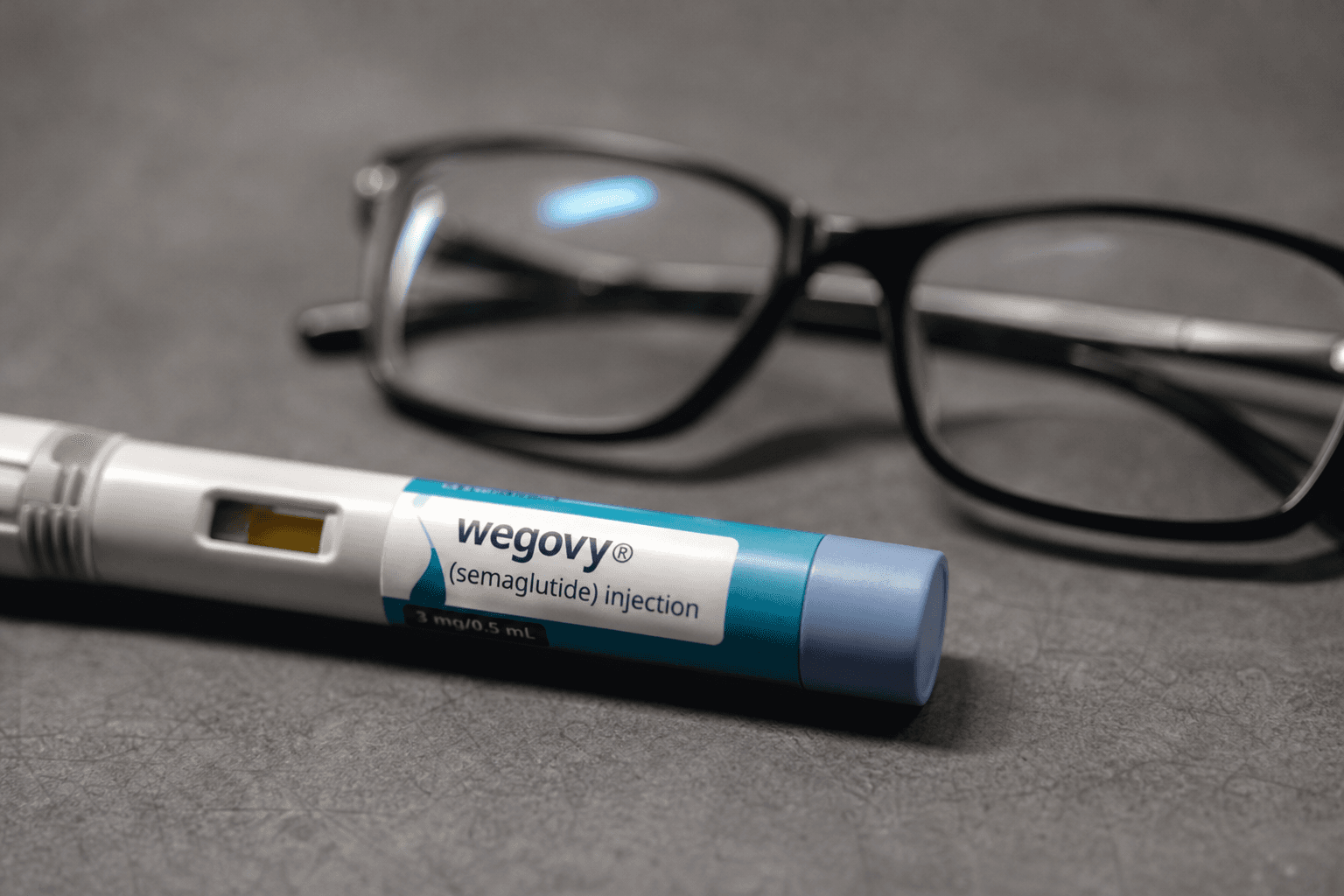
Wegovy Blindness Warning Left Unaddressed for 21 Months, Raising Questions About MFDS Response

AI Virtual Control Groups Move Into the Regulatory Spotlight for Drug Approvals as U.S. and Korean Regulators Convene

Surge in Companies Abandoning Essential Drug Production; MFDS Closes 63.8% of Cases With ‘No Action Needed’

Biotechs Sell Bread and Cosmetics Instead of Developing Drugs as Delisting Rules Distort Their Core Business



