Market
APAC accounts for 43% of the global innovative therapy pipeline South Korea’s innovative drug licensing deals rose 113% in one year

As the Asia-Pacific region emerges as a center of global drug development, China, Japan and South Korea are becoming clinical research hubs.
According to Clinical Trials Arena, a global clinical trial strategy and analysis company, the APAC region accounts for about 43% of the global innovative therapy pipeline. Supported by modernized regulatory systems and a large patient population, it continues to serve as a major hub for early-stage and multiregional clinical trials (MRCTs).
China has grown into the world’s second-largest pharmaceutical market. New drug review and evaluation from initial discovery through the investigational new drug (IND) application stage is 50% to 70% faster than in other parts of the world, while recruitment for late-stage clinical trials is often two to five times faster than in the EU or the United States.
Since 2019, China has accounted for more than 75% of private equity and venture capital investment in the APAC region and has also led the world in licensing deals. GlobalData forecast that sales by pharmaceutical companies headquartered in China will rise from $12.6 billion in 2025 to $36.8 billion in 2031.
From 2015 to 2023, Japan had the highest number of new drug approvals by the U.S. Food and Drug Administration (FDA) in Asia, including 24 new molecular entities (NMEs). As the world’s third-largest pharmaceutical market, valued at more than $85 billion, Japan is seeing growing importance for treatments of age-related diseases, including cardiovascular disease, as its population ages.
Japan’s Sakigake designation system provides priority consultations and expedited reviews, as well as higher reimbursement prices depending on the product and evaluation results. From April 2015 to August 2020, seven new drugs received their first approval worldwide through the system.
South Korea’s single-payer health insurance system covers 97% of the population, providing access to extensive health care data and a broad pool of clinical trial participants. The country has emerged as a leader in the development of antibody-drug conjugates (ADCs) and cell and gene therapies (CGTs), with first-in-class drug candidates accounting for 36% of pipelines under development from 2023 through the first half of 2025.
According to GlobalData analysis, the value of South Korea’s innovative drug licensing deals approached $7.86 billion in the first half of 2025, up 113% from 2024.
The South Korean government established the National Bio Innovation Committee with the goal of becoming one of the world’s five leading bioindustry nations by 2035, and is pursuing the creation of a 1 trillion won fund to promote private investment in biopharmaceuticals and vaccines.
BIOBOOK TEAM
biobookmedia@biobook.co.kr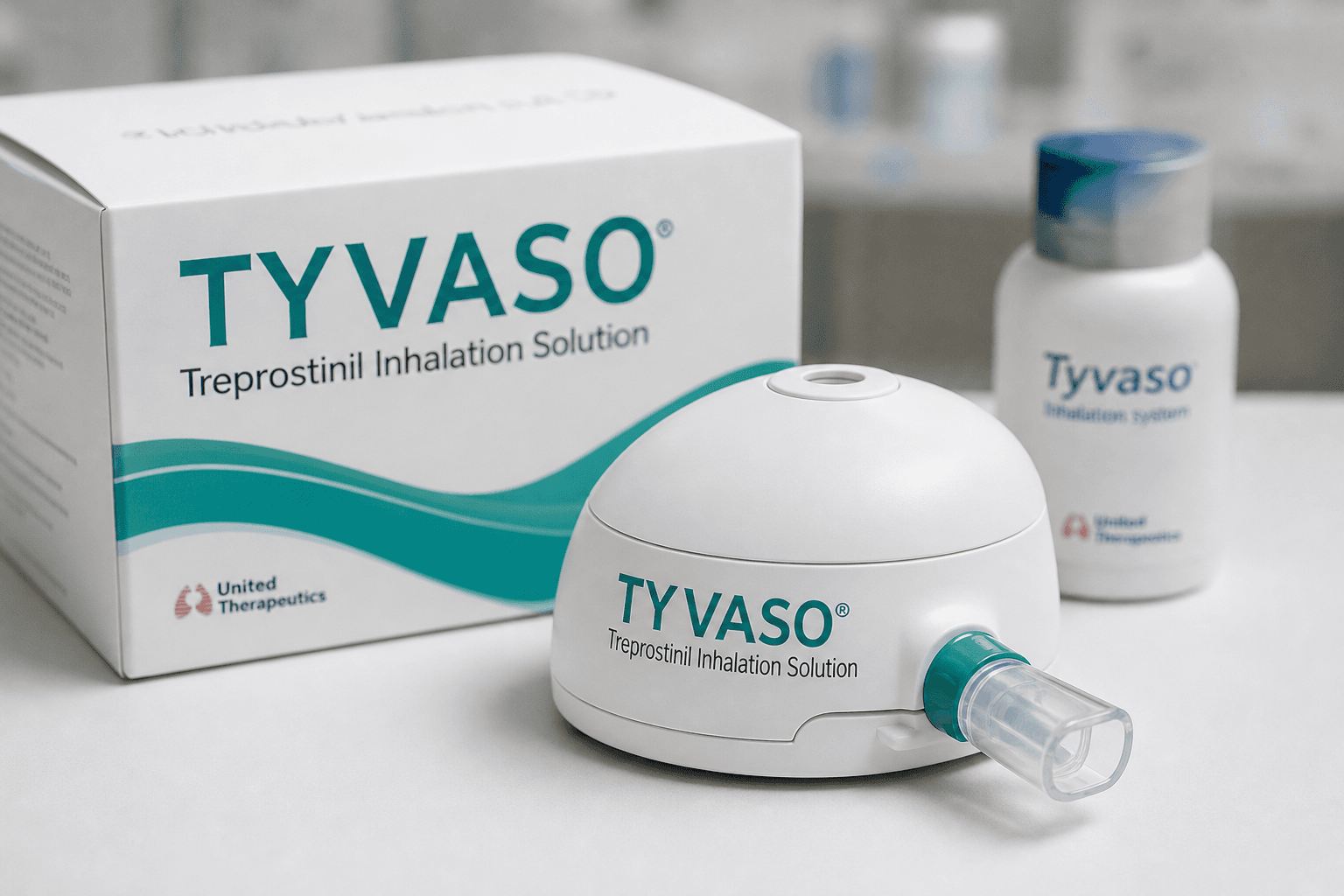
United Therapeutics, Liquidia Reach $380 Million Settlement, Ending Tyvaso Patent Dispute
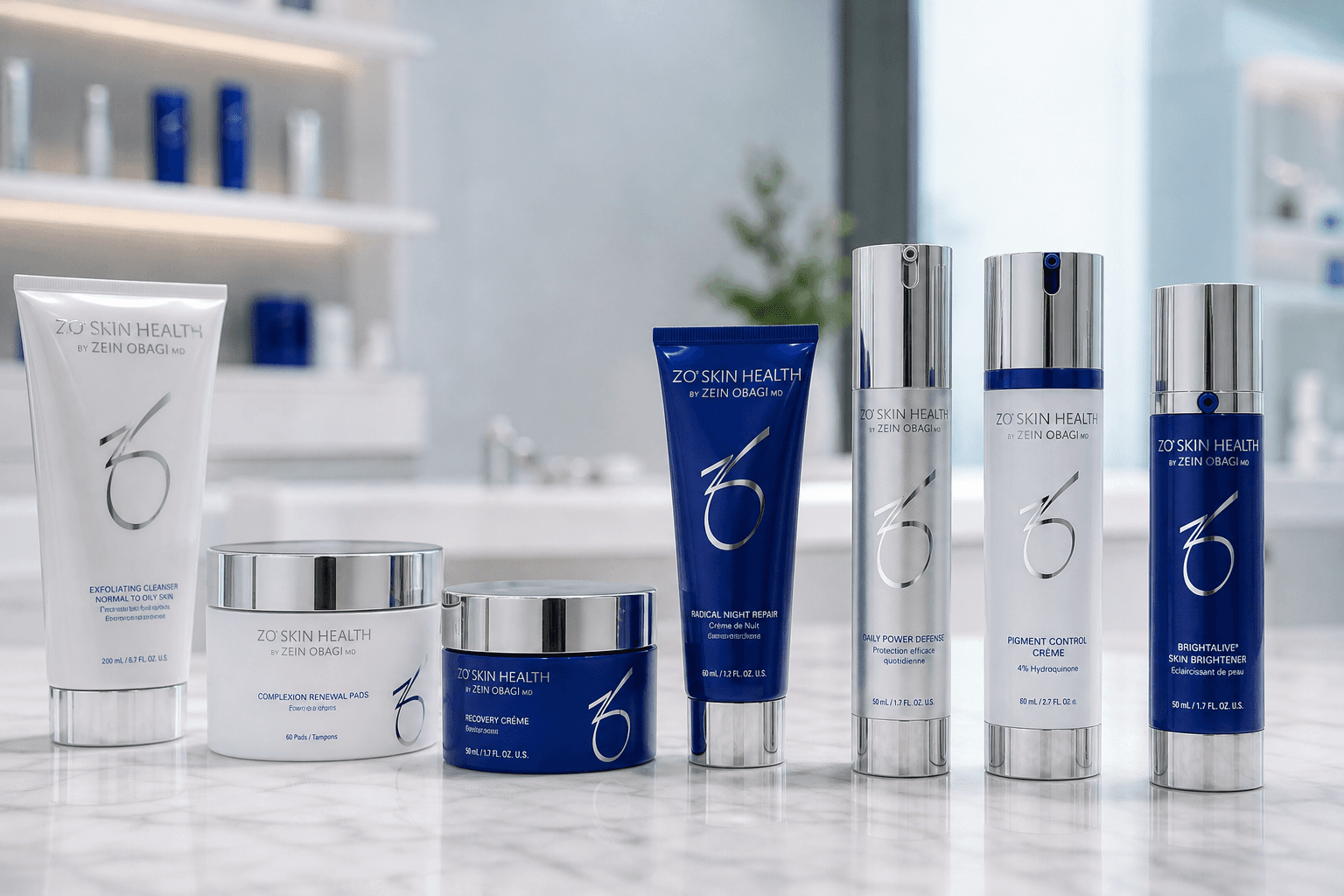
Galderma to Expand Dermatology Portfolio With $1.5 Billion Acquisition of Zo Skin Health

Stryker invests $400 million in CMR Surgical, secures exclusive U.S. sales rights for surgical robot
Vera signs deal with Gilead worth up to $1.9 billion, sees 'opportunity for additional deals'
Zealand partners with ‘AI protein’ developer Generate in $1.6 billion deal to expand obesity drug pipeline

Remed to Issue 10 Billion Won in Convertible Bonds to Fund Expansion in North America, Japan and Europe



