Policy & Regulation
Global Regulatory Harmonization Center to support regulatory capacity building in WHO member states Commissioner Oh Yoo-kyung: “A pivotal role in resolving regulatory differences between countries”

The Global Regulatory Harmonization Center (GHC) of the National Institute of Food and Drug Safety Evaluation, an agency under the Ministry of Food and Drug Safety (MFDS), has become the world’s first WHO Collaborating Center for capacity building and training in medical product regulatory systems.
The MFDS announced the designation on the 2nd, explaining that it recognizes the agency’s listing of all functions in the medicines and vaccines sectors on the WHO Listed Authorities (WLA) list of stringent regulatory authorities, as well as its achievements in international regulatory diplomacy. The designation was achieved in less than eight months after the center submitted its concept proposal at the end of December last year.
GHC will operate under the official name “WHO Collaborating Center for Capacity Building and Training in Medical Product Regulatory Systems (CC No. KOR-116)” from July 30, 2026, through July 29, 2030.
Going forward, it will provide training for regulatory officials from member states in line with WHO priorities and participate in developing training programs and methods to strengthen regulatory capacity for medicines and vaccines. In November this year, it plans to invite officials from WHO headquarters and the Western Pacific Regional Office to an international workshop, marking the start of the collaborating center’s official activities.
In a newsletter on the 27th of last month, WHO said, “The new collaborating center, GHC, will build on the Republic of Korea’s extensive regulatory expertise and training experience to expand support to countries around the world and help strengthen regulatory capacity where it is needed most.”
Oh Yoo-kyung, commissioner of the MFDS, said, “This designation is highly significant because it reaffirms the MFDS’s regulatory capacity and means that WHO has recognized GHC’s major role in strengthening global regulatory systems,” adding, “We will work with WHO to play a pivotal role in resolving regulatory differences between countries.”
The MFDS plans to continue working to ensure that the increased confidence in Korea’s domestic regulatory system and medical products, along with its strengthened international standing resulting from the designation, leads to improved export competitiveness for industry and support for overseas expansion.
BIOBOOK TEAM
biobookmedia@biobook.co.kr
Surge in Companies Abandoning Essential Drug Production; MFDS Closes 63.8% of Cases With ‘No Action Needed’
Biotechs Sell Bread and Cosmetics Instead of Developing Drugs as Delisting Rules Distort Their Core Business
“A 30-day IND review is window dressing”: Biotech industry urges response to China’s speed
MFDS Approves First Domestically Developed GLP-1 Obesity Drug
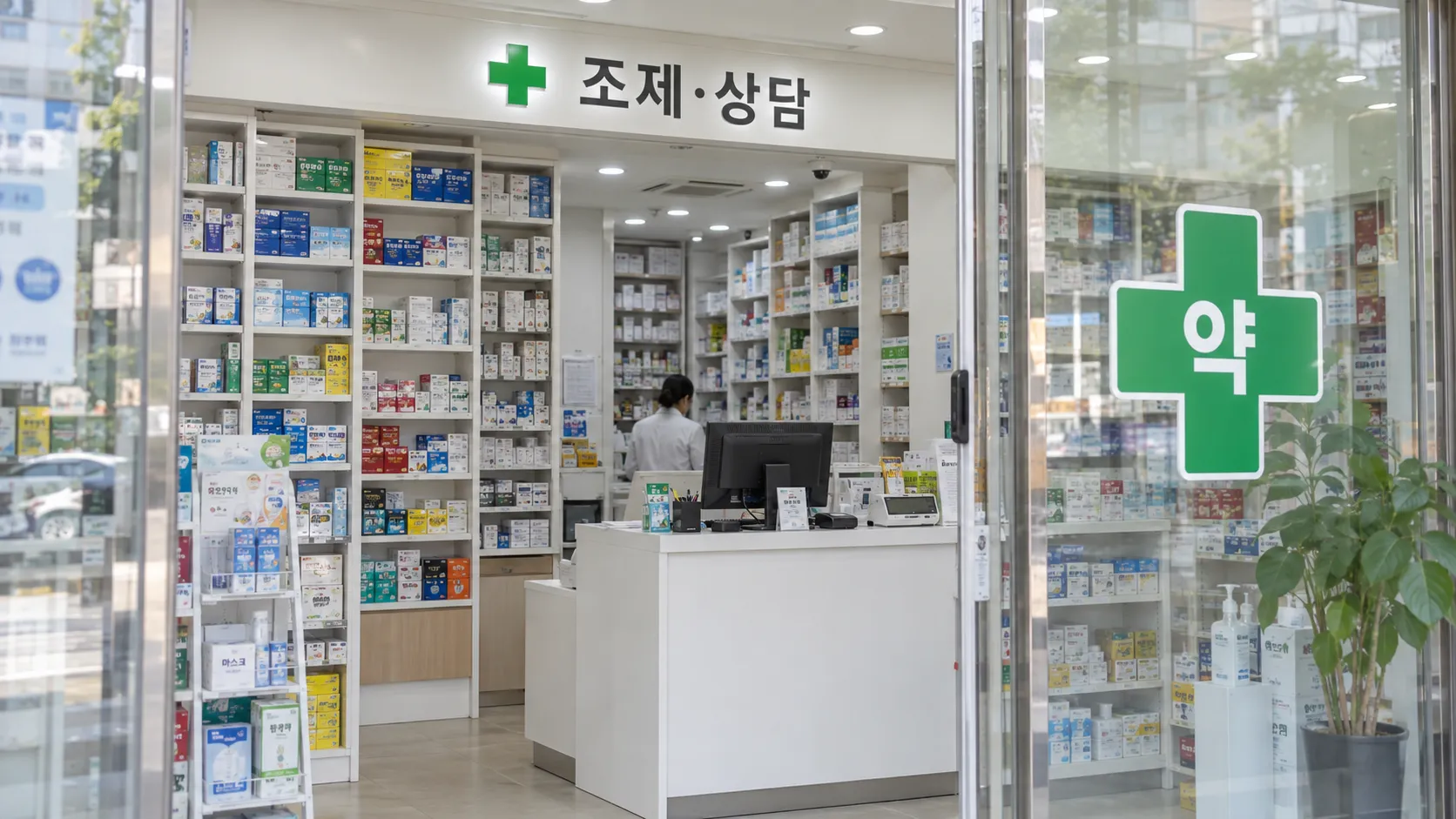
Pharmacies to Remove ‘Warehouse’ and ‘Mart’ From Signs
Jointstem Wins in Court, but Commercialization Remains Uncertain; Shareholders File Criminal Complaint Against MFDS Chief

Peptone nears end of two-year Lilly technology evaluation…follow-on deal could be pivotal

HLB Pharmaceutical Completes 60.8 Billion Won Rights Offering, Bets on New Hyangnam Plant as Management Participation Grows

Song Young-sook sells 86 billion won stake; buyer is daughter’s one-person company — Is a second round of Hanmi control battle looming?
