Policy & Regulation
The era of drug development without animal testing begins, with Seoul set to host a global conference in 2027

The Ministry of Food and Drug Safety (MFDS), in collaboration with the Korean Society for Alternatives to Animal Experiments, will hold the 23rd regular international academic conference from Aug. 26 to 28 at the Busan Port International Exhibition and Convention Center. The event will discuss the global regulatory standardization of advanced alternative-testing technologies, including organoids (mini-organs), Organ-on-a-chip and AI simulations. It is drawing attention because it highlights South Korea’s transition from simply adopting regulations to directly designing international standards.
■ FDA also eliminates mandate∙∙∙Global regulatory landscape reaches turning point
The US Food and Drug Administration removed the provision requiring animal testing in new drug development at the end of 2022, while the European Union is also pursuing a road map for the gradual elimination of animal testing. The adoption of “new approach methodologies” (NAMs) is rapidly spreading worldwide.
Against this backdrop, the global alternative-testing market is expanding rapidly. According to Global Market Insights, the global nonanimal alternative-testing market is projected to grow at an annual average rate of 11.9%, from $1.8 billion (approximately 2.4 trillion won) in 2023 to $4.8 billion (approximately 6.4 trillion won) in 2032. The organoid market alone is estimated to grow at an annual average rate of 22% and reach $3.3 billion (approximately 4.5 trillion won) by 2030.
■ KoCVAM’s achievements built over 17 years
South Korea has already taken a proactive approach, operating the Korea Center for the Validation of Alternative Methods (KoCVAM) under the MFDS since 2009. Over the past 17 years, alternative testing methods using human skin models and human cornea-like epithelial models, among others, have been listed in five OECD test guidelines and one ISO international standard. This is significant because it represents participation in regulatory design rather than simply adopting regulations.
MFDS Minister Oh Yu-kyoung said, “Alternative testing methods such as organoids are being incorporated into the regulatory sphere worldwide, moving beyond academic research,” adding, “We will strengthen our leadership in establishing global regulatory standards during the development and revision of guidelines by international organizations such as the OECD.” Lorna Ewart, chief scientific officer of US organ-on-a-chip leader Emulate, also emphasized, “Companies must work organically with regulatory agencies, and South Korea should also actively adopt and foster alternative testing methods.”
■ A three-pronged effort spanning industry, legislation and international events
South Korea’s efforts are not limited to the government. Major biopharmaceutical companies and research institutions, including Samsung Biologics, Daewoong Pharmaceutical and JW Pharmaceutical, have launched the “K-Organoid Consortium” to advance the technology at the industry level. The initiative is intended to lay the groundwork for making South Korea a global hub for contract research organization (CRO) services in new drug clinical trials and regenerative medicine.
In the National Assembly, a government-wide “Alternative Testing Methods Act” is under discussion. If the bill passes, nonanimal clinical data generated in South Korea could be more readily recognized reciprocally by the US FDA and the European Medicines Agency, potentially significantly shortening global drug development timelines and reducing costs.
The conference also serves as a stepping stone toward hosting the 14th World Congress on Alternatives and Animal Use in the Life Sciences (WC14) in Seoul in 2027. WC14 is a large-scale event that brings together regulatory agencies and industry from around the world, and is expected to provide an opportunity for South Korea to establish itself as a global hub for cooperation on the 3Rs principles—replacement, reduction and refinement.
Industry experts expect the commercialization of next-generation toxicity assessment models combining AI and computer simulation (in silico) with 3D bioprinting technology to significantly increase technology exports by South Korean biotechs such as Nexel and OrganoidSciences, as well as collaborations with multinational pharmaceutical companies. A structure is emerging in which regulatory standardization directly translates into industrial competitiveness.
BIOBOOK TEAM
biobookmedia@biobook.co.kr
MFDS launches eCTD v4.0 for reusing regulatory documents, easing submission burden
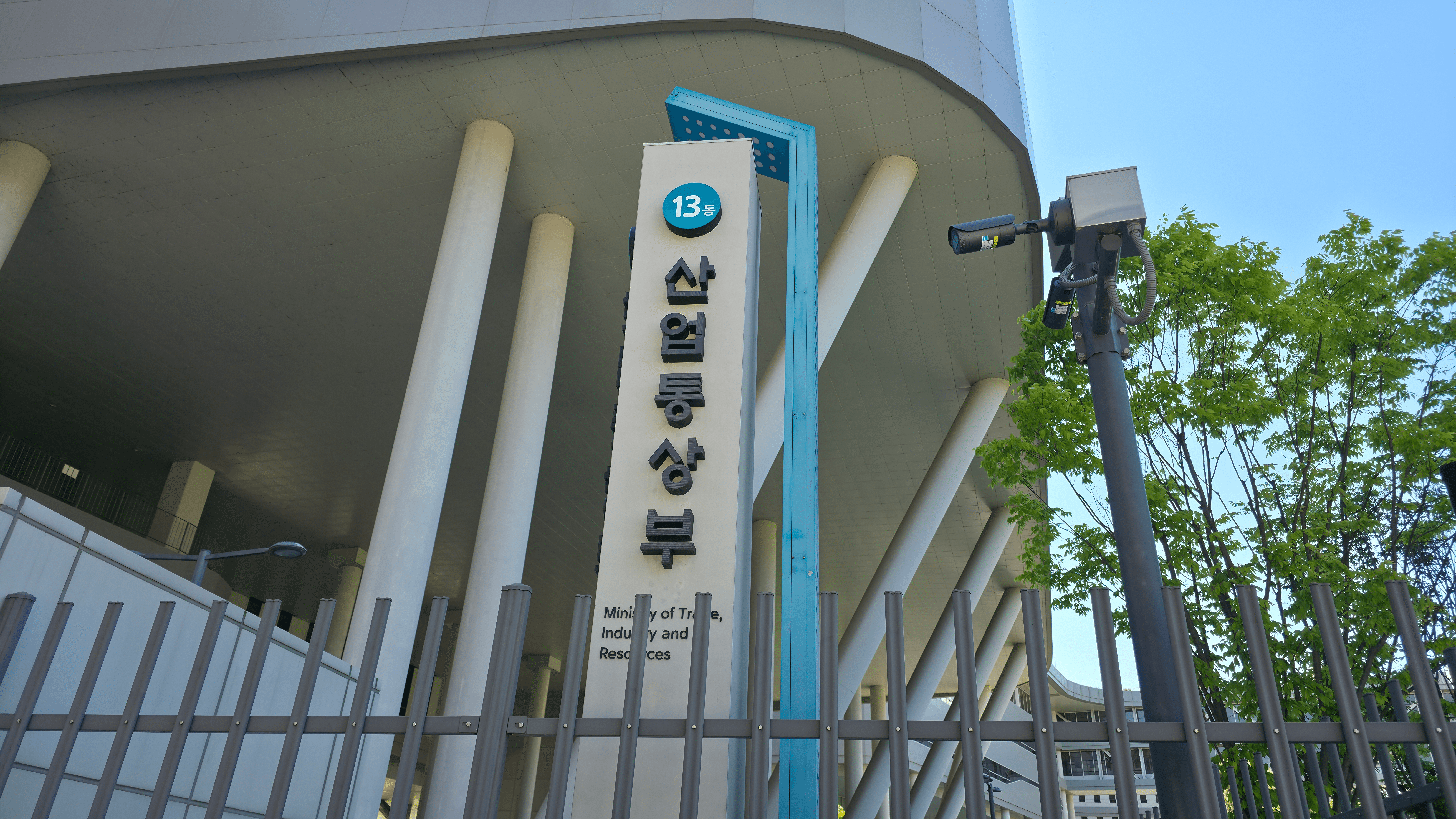
Industry Minister Makes Eighth Field Visit in Gangwon, Signs Four Biotech Agreements
Ministry of Industry and MFDS join forces on AI transformation in biotech, establish full-cycle cooperation framework
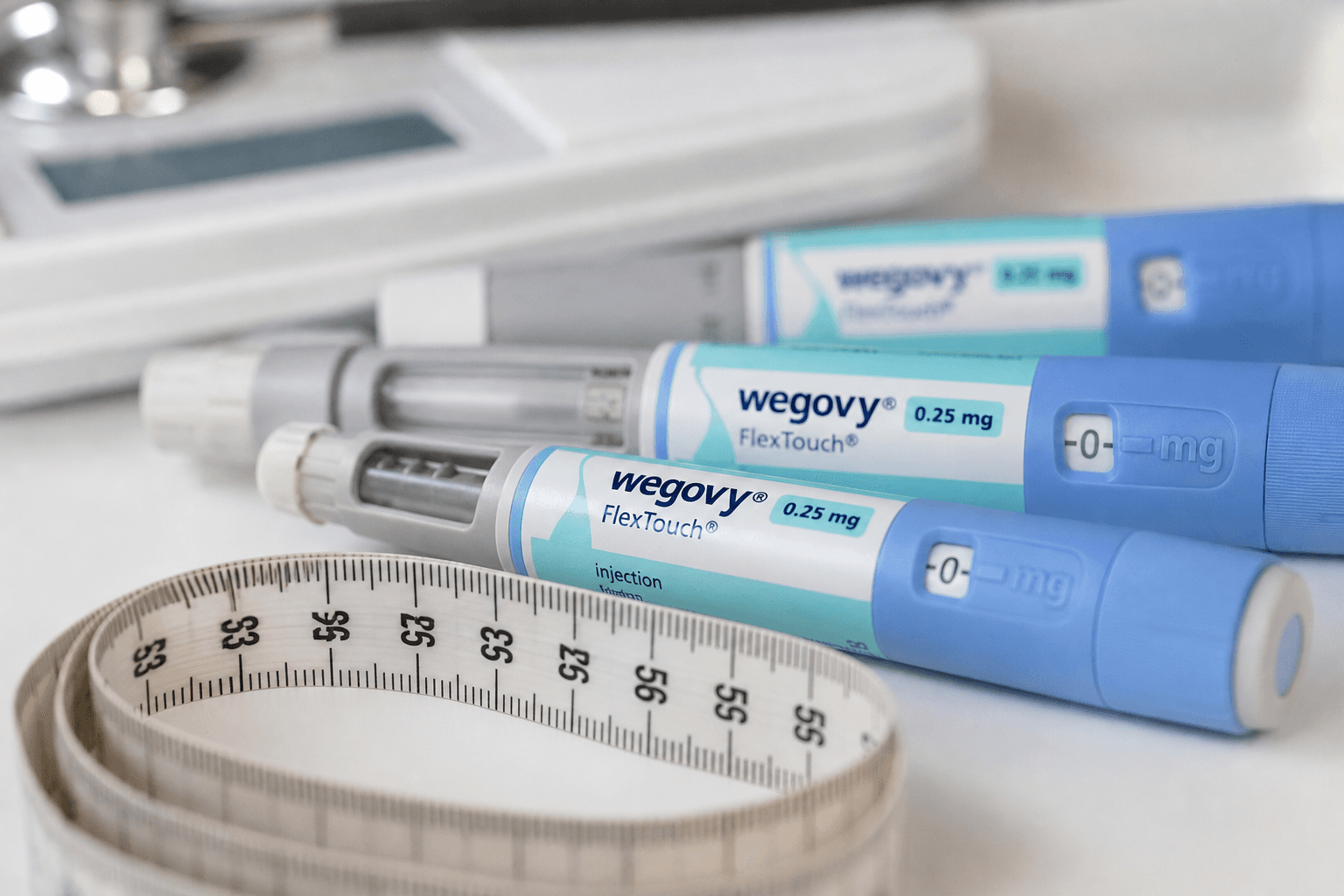
Wegovy Distribution Surges 19-Fold as MFDS Safety Oversight Falls Short
MFDS Launches eCTD v4.0 Service for Drug Applications, Enabling Document Reuse
FDA Expands Approval of ImmunityBio’s Anktiva, Shifting the Bladder Cancer Treatment Landscape



