Science
Engineered dendritic cells target lesions and suppress the inflammatory environment Heart function improved in mouse and primate models, laying the groundwork for clinical trials

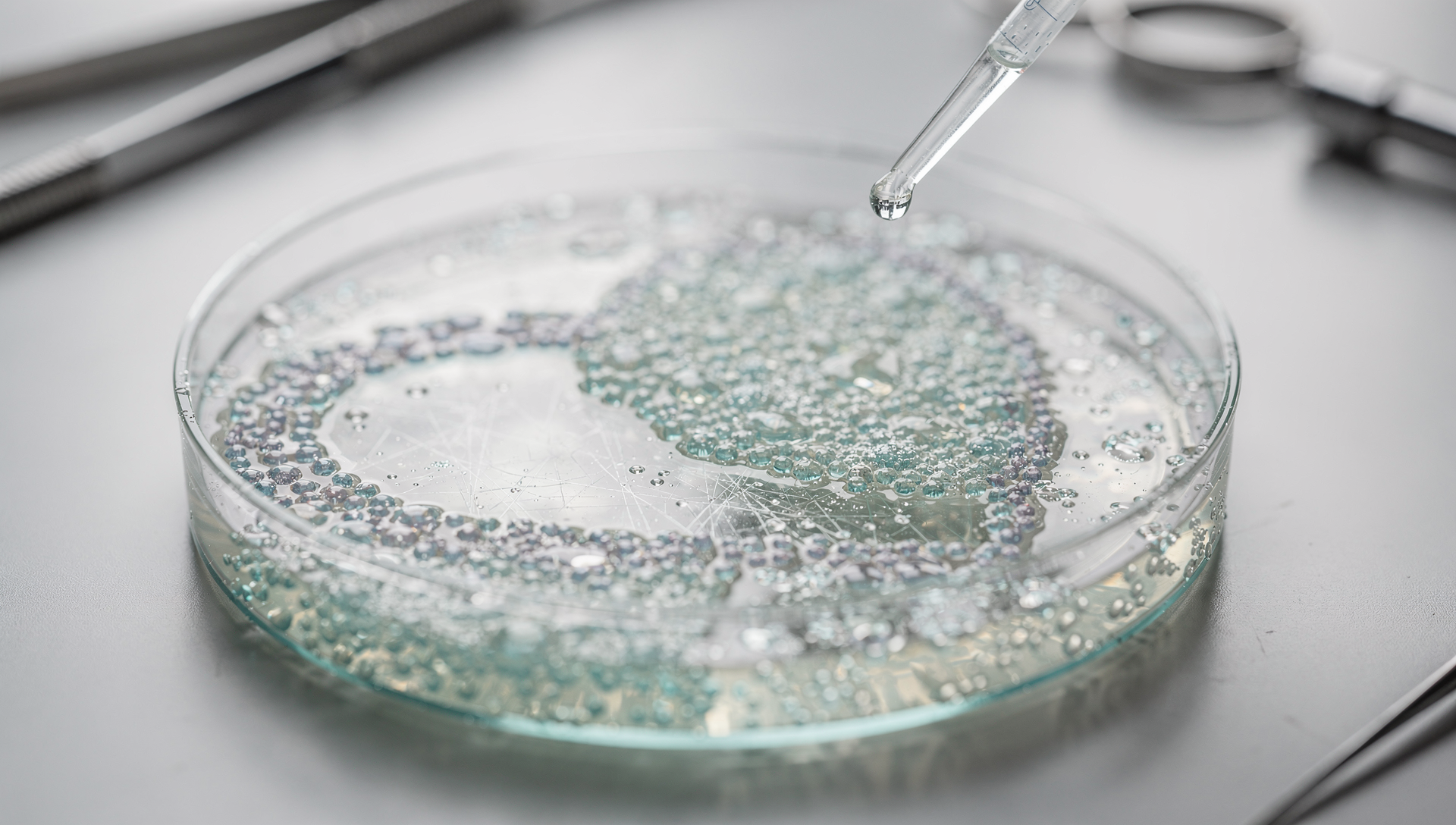
Image generated by AI
Chinese researchers have developed a new immune cell therapy that suppresses cardiac fibrosis, a root cause of heart failure, and have attracted attention after successfully testing it in a primate model.
According to Chinese biotechnology outlet BioOn on the 12th, a research team led by Professors Hu Xinyang and Xu Yang at the Second Affiliated Hospital of Zhejiang University School of Medicine developed an “engineered immunosuppressive dendritic cell” therapy. The findings were published in the international journal Nature.
Heart failure is a major disease affecting millions of people worldwide. Pathologic cardiac fibrosis, in which damaged heart muscle is replaced by stiff scar tissue, is considered a key cause. This causes the heart to enlarge and lose function, but existing drugs can only relieve symptoms and have difficulty providing a fundamental treatment.
The research team focused on the fact that chronic, excessive inflammation acts as the engine driving fibrosis. While conventional anti-inflammatory treatments can suppress systemic immunity as a side effect, the team designed a therapy that precisely targets only the affected area.
The engineered dendritic cells developed by the team have two key capabilities. First, like “guided missiles,” they find and remain in fibrotic lesions in the heart. They then release specific signaling molecules to suppress the activity of nearby hyperactivated immune cells and fibroblasts, fundamentally blocking the inflammatory environment.
The team confirmed the treatment’s effects in mouse models induced with various diseases, including myocardial infarction and myocardial ischemia. After the engineered dendritic cells were injected, the area of myocardial fibrosis decreased, and cardiac contractile function remained close to normal.
In particular, the team demonstrated safety and efficacy in a nonhuman primate (monkey) model, an essential step toward clinical trials. When the therapy was applied to a monkey model of myocardial infarction, cardiac fibrosis decreased and heart function improved without systemic immune toxicity or organ damage.
This study was the first to demonstrate that a strategy of targeting diseased areas to regulate immunity has strong potential for treating cardiac fibrosis. The research team expects the therapy could eventually be applied to other inflammation- and fibrosis-based diseases, including pulmonary fibrosis and liver fibrosis.
BIOBOOK TEAM
biobookmedia@biobook.co.kr
“Reaching the brain with a subcutaneous injection” … Arrowhead cuts Alzheimer’s tau protein by 73%
Verastem Sets a “New Standard” for KRAS-Targeted Drug, With 80% Survival Rate in Pancreatic Cancer

Celltrion Wins South Korean Approval for Phase 3 Trial of Zymfentra in Rheumatoid Arthritis

AptaBio Reports Safety in Phase 2 Trial of Contrast-Induced Kidney Injury Treatment

Oral GLP-1 diabetes drug improves blood sugar and weight in Chinese phase 3 trial

Google Deploys ‘Gemini 4 Argon’ in Drug Development, Boosting Molecular Computation Speed by 2.3-Fold



