
Science
Columbia University research team publishes findings in Cell Predicting intracellular activity—not RNA structure—could advance genetic disease research and drug development


Image generated by AI
A Columbia University research team has developed a model that predicts intracellular activity using only RNA sequences, with the findings published in the leading journal Cell.
A research team led by Professor Hashim Al-Hashimi achieved the result using biophysical principles rather than artificial intelligence (AI). The key to the study is understanding “structural ensembles,” the collection of diverse structures that RNA can adopt.
To predict RNA activity, the researchers first experimentally characterized the structural ensembles of TAR, an RNA from human immunodeficiency virus (HIV), and its mutants. In the process, they discovered that activity could be predicted from sequence using the biophysical models traditionally used to predict RNA secondary structure.
Based on these findings, the team proposed a new concept called “ensemble conservation.” The researchers explained that certain RNA mutations cause loss of function not by changing interactions with other molecules, but by disrupting the balance of the structural ensemble and sharply altering activity.
The researchers expect that the prediction model can be applied not only to TAR but also to another HIV RNA, RRE, and potentially to similar RNAs in all organisms. This could lead to a new approach to drug development that regulates intracellular activity by altering RNA structural ensembles.
Professor Al-Hashimi said, “Existing drug development has been based on a ‘lock-and-key’ approach, but considering structural ensembles will open opportunities to create more powerful drugs.” He added, “This model will also contribute to understanding the mechanisms of genetic diseases associated with single-nucleotide polymorphisms in noncoding RNA.”
BIOBOOK TEAM
biobookmedia@biobook.co.kr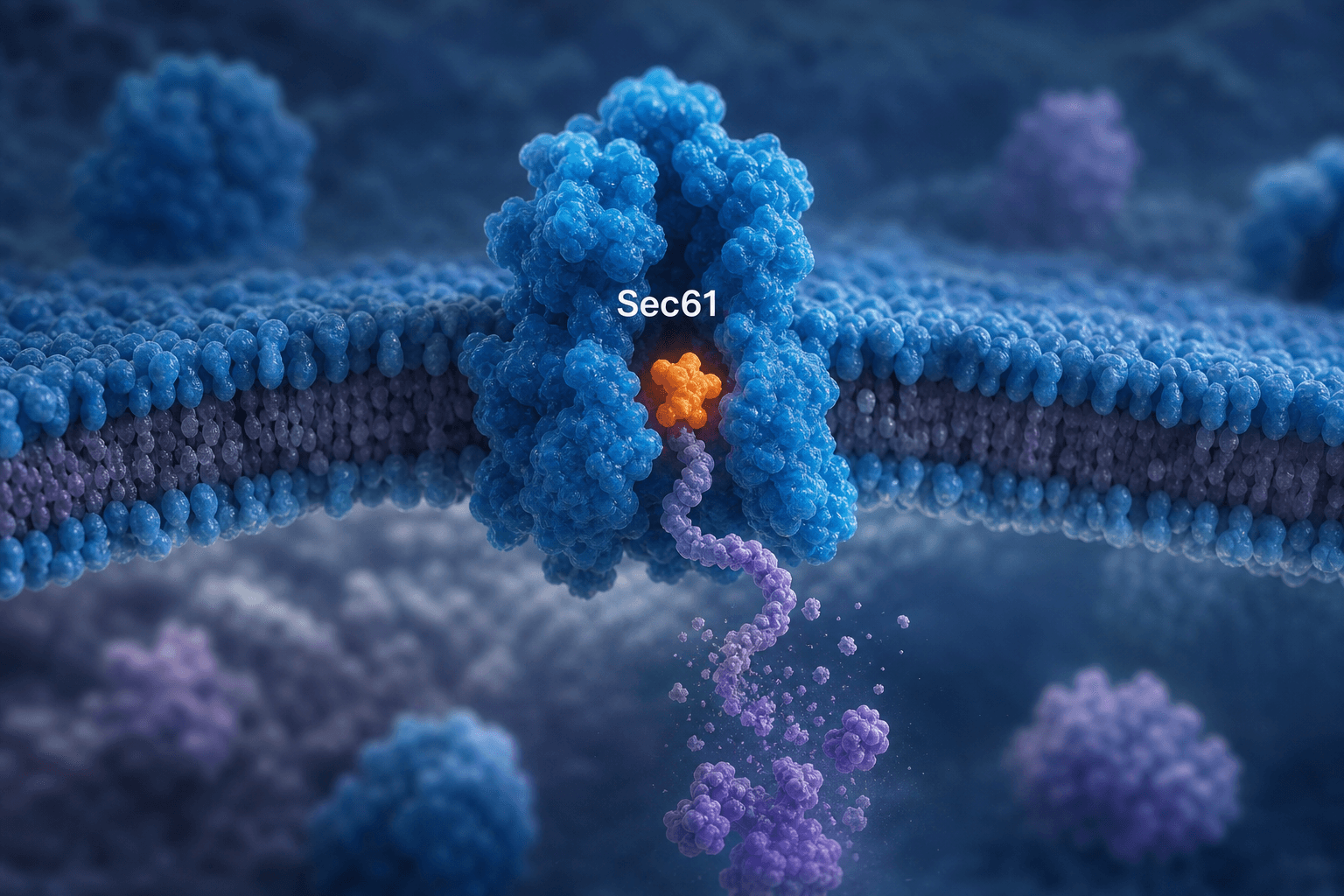
Blocking Disease Proteins With ‘Molecular Gates’ … Gate Bioscience Prepares to Enter the Clinic
Rezolute Meets Phase 3 Goal in Tumor Hyperinsulinism, Shares Rise Ahead of FDA Meeting
Regeneron’s POTS drug succeeds in Phase 2; Phase 3 to begin in first half of next year

Egene Receives Approval to Amend Phase 2/3 Trial of Quadrivalent Meningococcal Vaccine

GC Biopharma Develops Korea’s First Generative AI Drug Safety Monitoring Software, Focused on Preventing Missed Cases

Daewoong Pharmaceutical Wins Phase 1 Approval for Drug to Regenerate Intestinal Mucosa: “Beyond Immunosuppression”


