Science
Chinese researchers successfully stopped transfusions in patients with thalassemia using the base-editing therapy CS-101<br>CRISPR therapy reni-cel and base-editing therapy risto-cel also improved symptoms in patients with sickle cell disease

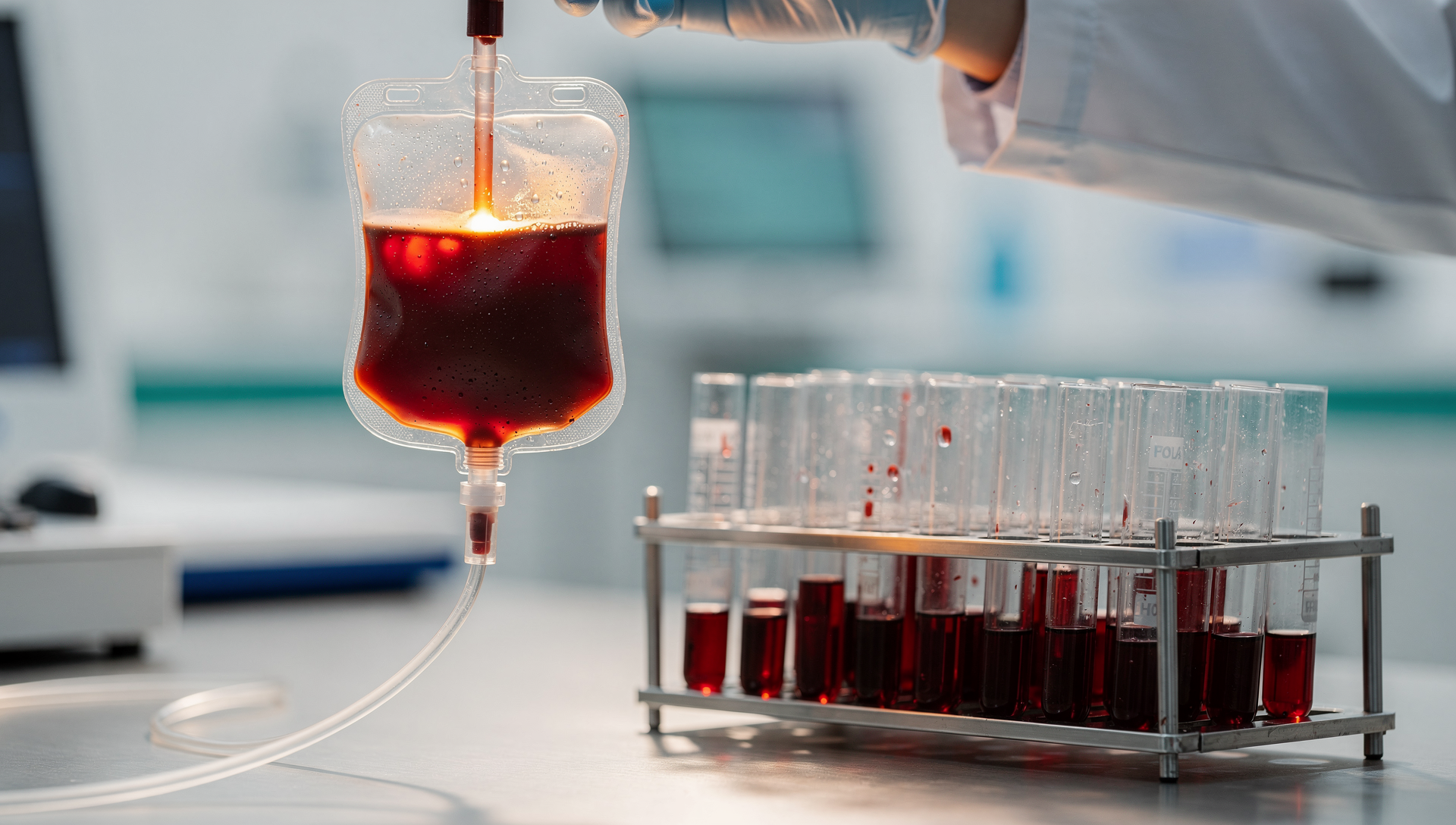
Image generated by AI
Competition to develop gene-editing therapies for hereditary anemias has produced clinical successes, with related findings published in succession in Nature and the New England Journal of Medicine (NEJM), two of the world’s most prestigious academic journals.
According to Chinese biotechnology news outlet BioOn on the 10th local time, clinical results from four gene-editing therapies led by multinational research teams, including ShanghaiTech University and Cleveland Clinic, were published in NEJM and Nature on the 1st and 8th, respectively. All four studies used a mechanism that treats severe anemia by correcting genes to reactivate production of fetal hemoglobin (HbF).
Particular attention has focused on the clinical success of the base-editing therapy led by Chinese researchers. Results from a study jointly conducted by Professor Chen Jia of ShanghaiTech University and Dr. Mu Xiaodun of Zhengsheng Biology, among others, were published in Nature on the 8th. The researchers conducted a phase 1 clinical trial (NCT06024876) in which five patients with beta-thalassemia received an autologous gene-edited hematopoietic stem cell therapy named CS-101.
During the follow-up period, which had a median duration of 23 months, all patients completely discontinued transfusions. The last transfusion occurred an average of 18 days after CS-101 administration. Total hemoglobin and fetal hemoglobin levels also rapidly and continuously recovered to normal levels, and no deaths or cases of cancer were reported.
On the 1st, NEJM simultaneously published three studies on anemia therapies using CRISPR-Cas12a and base-editing technologies. Cleveland Clinic researchers reported that after administering the CRISPR gene-editing therapy reni-cel to patients with severe sickle cell disease, 27 of 28 patients no longer experienced vaso-occlusive crises (VOCs).
In another reni-cel study led by Sarah Cannon Research Institute, patients with transfusion-dependent beta-thalassemia no longer required transfusions after treatment. A research team at the University of Minnesota confirmed that the base-editing therapy risto-cel continuously maintained fetal hemoglobin expression in patients with sickle cell disease.
Beta-thalassemia and sickle cell disease are hereditary blood disorders caused by abnormalities in hemoglobin genes. Patients with severe disease must depend on regular transfusions throughout their lives. Although hematopoietic stem cell transplantation is the only curative treatment, finding a donor is difficult and the risk of complications is high.
The studies announced this time used CRISPR, a type of gene-editing tool, or the more advanced base-editing technology to correct patients’ own hematopoietic stem cells outside the body and then reinfuse them. Base-editing technology, in particular, replaces specific bases without cutting the DNA double helix and is considered a next-generation technology that reduces the potential risks of adverse effects associated with conventional CRISPR technology.
BIOBOOK TEAM
biobookmedia@biobook.co.kr
“Reaching the brain with a subcutaneous injection” … Arrowhead cuts Alzheimer’s tau protein by 73%
Verastem Sets a “New Standard” for KRAS-Targeted Drug, With 80% Survival Rate in Pancreatic Cancer

Celltrion Wins South Korean Approval for Phase 3 Trial of Zymfentra in Rheumatoid Arthritis

AptaBio Reports Safety in Phase 2 Trial of Contrast-Induced Kidney Injury Treatment
Oral GLP-1 diabetes drug improves blood sugar and weight in Chinese phase 3 trial
Google Deploys ‘Gemini 4 Argon’ in Drug Development, Boosting Molecular Computation Speed by 2.3-Fold



