Science
RSPO3 and ACTH signals drive sequential differentiation of the adrenal cortex NR0B1 gene identified as a key cause of congenital adrenal hypoplasia

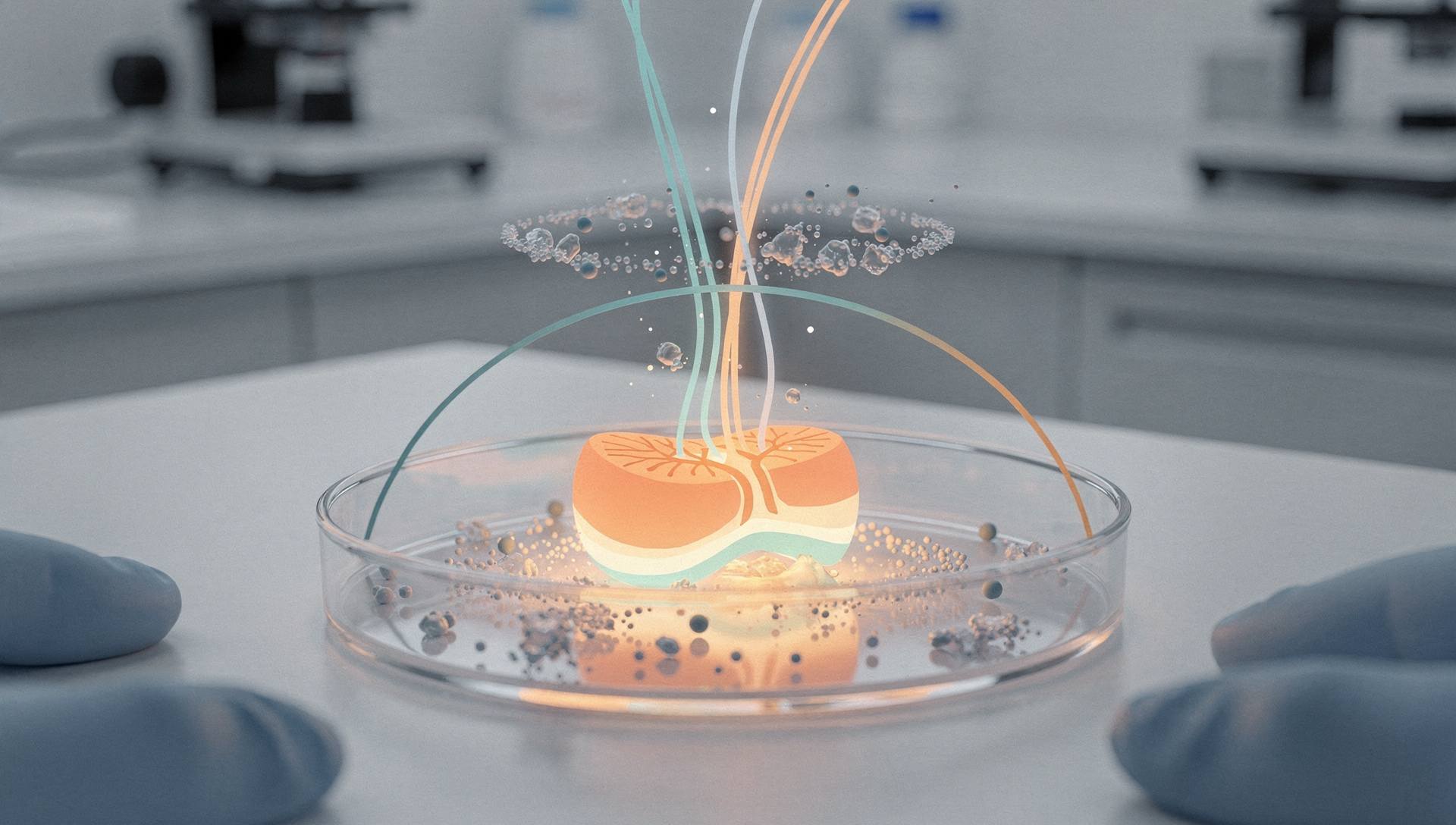
Image provided by=AI-generated image
A study has reproduced the entire process by which the fetal adrenal cortex divides into functionally distinct regions using human induced pluripotent stem cells (hiPSCs) and identified the key regulatory mechanisms involved.
According to Chinese biotechnology outlet BioOn on the 10th local time, a study published in the international journal Cell Stem Cell revealed how WNT signaling triggered by the RSPO3 molecule and adrenocorticotropic hormone (ACTH) drive the layer-by-layer conversion of adrenal cortical cells. The researchers also found that the NR0B1 gene is a key factor preventing the premature development of the fetal zone.
The study explains the cause of congenital adrenal hypoplasia in newborns. Infants with the condition experience hyponatremia, hyperkalemia and hypotension, while the adrenal cortex exists only as a mass of cells resembling fetal cells, without a normal layered structure, and cannot produce sufficient cortisol.
During adrenal organoid culture, the research team found that a cell population bearing the CD10 marker formed spontaneously. This population closely resembled cells in the definitive zone, the outermost layer of the fetal adrenal gland, and its formation depended entirely on WNT signaling activated by RSPO3 molecules secreted by capsule-like cells.
When exposed simultaneously to RSPO3 and the ACTH hormone, definitive-zone cells differentiated into transitional-zone cells, the intermediate layer that produces cortisol. Subsequently, in an environment in which RSPO3 supply was discontinued and only ACTH remained, they matured into fetal-zone cells, the innermost cells that synthesize large amounts of androgens. This demonstrated a clear sequential differentiation process.
The researchers noted that the transcription factors NR0B1 and GATA6 were particularly active in definitive-zone cells. Mutations in the NR0B1 gene cause congenital adrenal hypoplasia. In the study, removing the NR0B1 gene caused adrenal cortical progenitor cells to bypass the definitive zone and differentiate directly into fetal-zone cells, producing large amounts of androgens. This result precisely matched the pathological features observed in patients.
To demonstrate the functionality of the model, the researchers transplanted definitive-zone-like cells and capsule-like cells beneath the kidney capsules of immunodeficient mice. After 2 months, the transplanted tissue had established a structure with 3 functional layers. When ACTH was injected, blood cortisol and androgen levels increased markedly, confirming that the tissue had acquired a complete hormonal response capacity.
This study fully reproduced the differentiation process of the fetal adrenal cortex using human stem cells. The organoid platform established through this work is expected to serve as an important tool for understanding the pathophysiology of adrenal diseases and developing regenerative therapies.
BIOBOOK TEAM
biobookmedia@biobook.co.kr
Roche and Zealand’s Amylin Drug Shows Limited Glucose-Lowering Effect, Potentially Narrowing Its Role to Maintenance Therapy

HLB Makes Fourth Attempt to Win Liver Cancer Drug Approval; Manufacturing Inspection Risks Remain

HLB Submits FDA Resubmission for Liver Cancer First-Line Treatment

Nature Cell Wins First-Instance Ruling on Jointstem … “Order for Reconsideration, Not Approval”

Biohub’s $2.4 Billion ‘Virtual Cell’ Project Gives Big Tech 1-Year Exclusive Data Access

Korean Biotechs Target DMOADs for Cartilage Regeneration in Race for Global First
Rural Development Administration Develops Two Molecular Markers to Identify Leaf Splitting in Squash
MFDS Begins Distribution of Internationally Certified Reference Materials, Including 24 New Items, for a Total of 882
Ministry of Trade, Industry and Energy signs agreement to promote biotech and medical devices in Gangwon; site visit set for the 14th



