Market
Novartis signs licensing agreement with BoomRay for preclinical candidate Telix’s acquisition of ITM sharply shifts radiopharmaceutical competitive landscape

Swiss pharmaceutical company Novartis has strengthened its pipeline by licensing a radioligand therapy candidate from a Chinese biotechnology company.
According to Fierce Biotech, a U.S. pharmaceutical industry publication, on the 23rd local time, Novartis signed a licensing agreement with Suzhou, China-based BoomRay Therapeutics for a preclinical radioligand therapy.
BoomRay could receive up to $900 million, including an upfront payment, development, regulatory and sales milestones, and royalties.
Shiv Malek, Novartis’ global head of oncology biomedical research, said, “Radioligand therapies are an important frontier in oncology,” adding, “The agreement with BoomRay complements our growing radioligand therapy portfolio.”
Specific details about the licensed candidate were not disclosed. BoomRay’s pipeline includes a fluorine-18-based diagnostic for brain tumors and solid tumor therapies targeting fibroblast activation protein and nectin-4.
Bo Shan, BoomRay’s chief executive officer, said, “This agreement is an important milestone for BoomRay and a strong validation of our research and development capabilities.”
The agreement came shortly after Novartis abandoned a midclinical-stage radioligand asset in July following disappointing data. At the time, Novartis CEO Vas Narasimhan told Fierce Biotech that the company’s commitment to the field was “completely unchanged.”
Novartis leads the radioligand market with Pluvicto, a prostate cancer treatment, and Lutathera, a treatment for neuroendocrine tumors.
However, the competitive landscape shifted sharply the previous day when Australian radiopharmaceutical company Telix Pharmaceuticals announced that it would acquire ITM Isotope Technologies, the supplier of the lutetium-177 isotope used in Pluvicto.
Telix paid $165 billion upfront to secure ITM’s lead candidate, ITM-11, whose approval was recently rejected by the U.S. Food and Drug Administration over manufacturing issues. ITM-11 is a direct competitor to Lutathera for the treatment of gastroenteropancreatic neuroendocrine tumors.
ITM plans to resubmit the application to the FDA, and securing an approval pathway is a key condition for completing Telix’s acquisition. William Blair analysts said the combined company could become a “global radiopharmaceutical powerhouse.”
BIOBOOK TEAM
biobookmedia@biobook.co.kr
Orient Bio Expands Domestic Supply of SPF Rabbits, but Reversal of Chronic Losses Remains Elusive

Celltrion’s Third-Quarter Operating Profit Surges 69% to 510 Billion Won
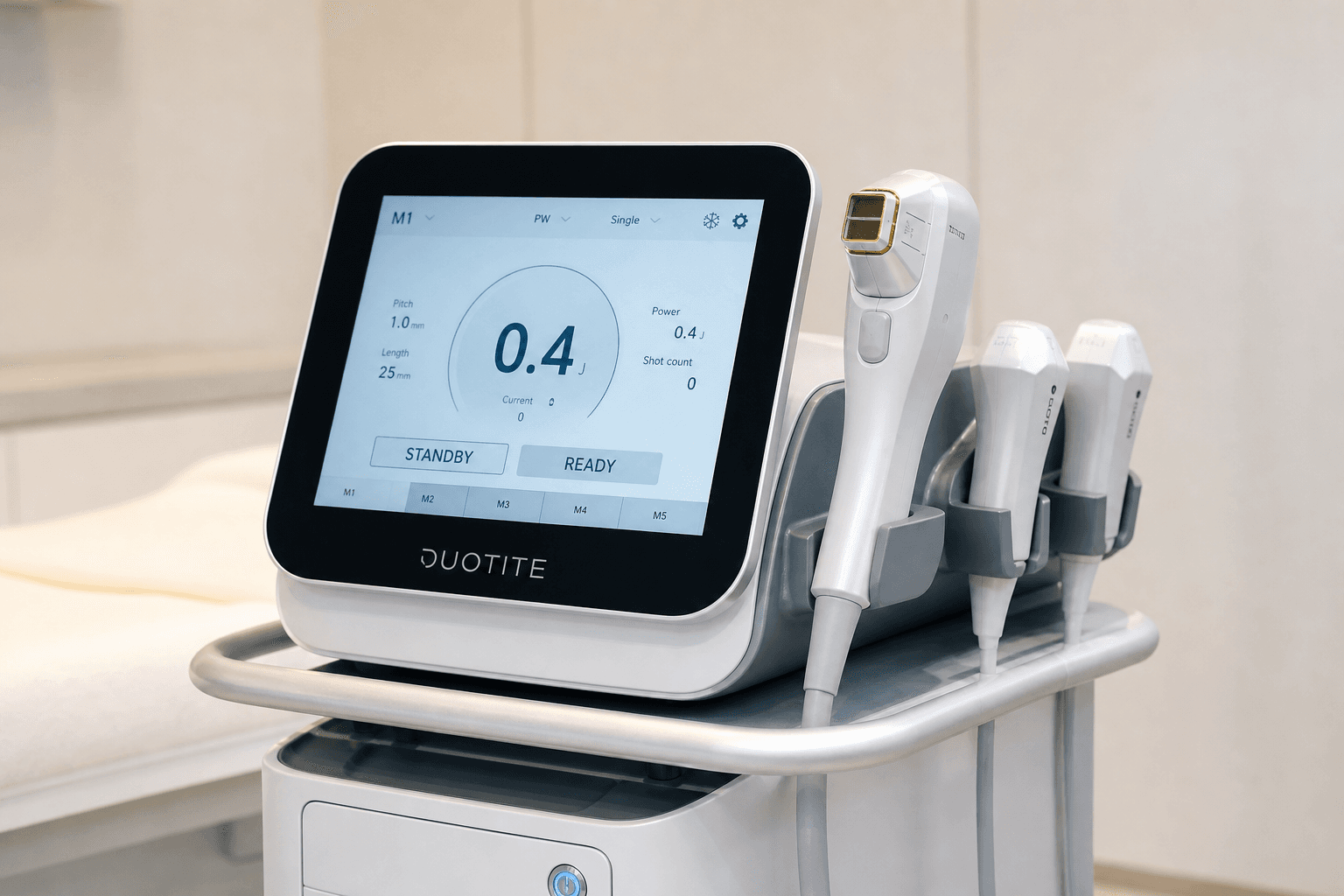
ViOL Medical Wins Thai Approval for HIFU Device, Laying Groundwork for Consumables Revenue

SCD Pharm’s glaucoma drug Latast reaches 11% market share, supplied back to originator
Alteogen’s ALT-B4 Infringes Halozyme Patent in Europe; Keytruda SC Sales Banned in 8 Countries

Immunology Drug Developer TrexBio Prices $117 Million IPO



