Policy & Regulation
Ministry of Health and Welfare announces legislative notice on amendments to enforcement decree, enforcement rules and notification<br>Growth-track R&D share of at least 3%-7%; 3-year validity period

The innovative pharmaceutical company system will be divided into “leading” and “growth” tracks.
The Ministry of Health and Welfare said on the 18th that it would issue a legislative notice on proposed amendments to the enforcement decree and enforcement rules of the Special Act on the Promotion and Support of the Pharmaceutical Industry, as well as the proposed amendment to the “Regulations on the Certification of Innovative Pharmaceutical Companies” (notification), to provide phased support for innovative pharmaceutical companies as “leading” and “growth” companies. The legislative notice period runs from that day through October 28.
The ministry said the reorganization would establish a growth ladder through which promising startups can develop into leading companies and ultimately into representative pharmaceutical companies (anchor companies).
The reorganization, which initially began with discussions about introducing “quasi-innovative pharmaceutical companies,” is intended to advance the system so that small and midsize pharmaceutical companies and biotech ventures with high growth potential can develop new drugs, beyond providing preferential drug pricing.
The ministry plans to provide some of the benefits previously offered to leading companies, including additional points in national research and development (R&D) programs and preferential drug pricing, to growth-track companies on a differentiated basis according to the characteristics of each track. Existing certified companies will retain the status and benefits of the reorganized leading track until their current certification validity period expires.
Under the certification criteria, companies with a detailed screening evaluation score of 65 points or higher will be classified as leading companies, while those scoring below 65 points will be classified as growth-track companies. Growth-track companies must meet the required ratio of R&D spending to pharmaceutical sales and must not have any disqualifying grounds.
Under the growth-track certification criteria, companies with average sales of less than 1000 billion won over the preceding three years must have an R&D spending ratio of at least 7% (at least 50 billion won), while companies with sales of 1000 billion won or more must meet a ratio of at least 5%. Companies that meet cGMP and EU GMP quality standards qualify with a ratio of at least 3%.
Disqualifying grounds include rebates and unethical conduct by executives or employees. For rebates, the criteria are having received administrative sanctions at least twice or having provided 5 million won or more; violations occurring more than five years before the date of the certification review will be excluded. A director or auditor who has been sentenced to a fine or more severe punishment for embezzlement, breach of trust, stock-price manipulation, assault or sex crimes will also be disqualified.
The certification validity period is three years for both leading and growth-track companies, and it can be extended after reevaluation every three years. Companies may also switch between tracks based on reevaluation results, including promotion from the growth track to the leading track.
The ministry plans to gather opinions from the pharmaceutical and biotechnology industries and the public during the legislative notice period, finalize the amendments and, without delay after the laws and regulations are amended, begin a new certification application process to select growth-track companies.
Comments may be submitted by October 28 to the Pharmaceutical and Biotechnology Industry Division of the Ministry of Health and Welfare or the National Legislative Participation Center.
BIOBOOK TEAM
biobookmedia@biobook.co.kr
AI Virtual Control Groups Move Into the Regulatory Spotlight for Drug Approvals as U.S. and Korean Regulators Convene

Surge in Companies Abandoning Essential Drug Production; MFDS Closes 63.8% of Cases With ‘No Action Needed’

Biotechs Sell Bread and Cosmetics Instead of Developing Drugs as Delisting Rules Distort Their Core Business

“A 30-day IND review is window dressing”: Biotech industry urges response to China’s speed
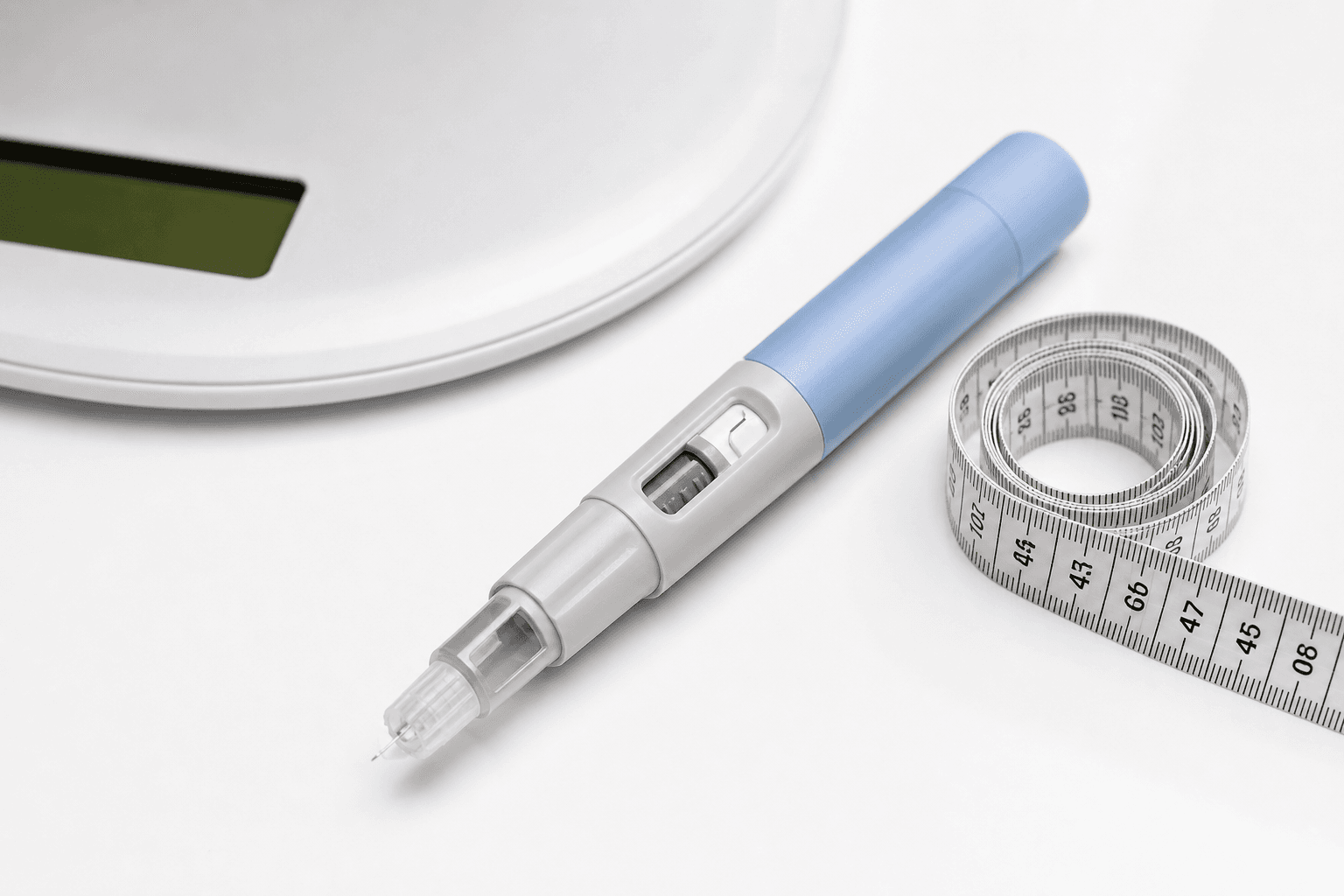
MFDS Approves First Domestically Developed GLP-1 Obesity Drug

Pharmacies to Remove ‘Warehouse’ and ‘Mart’ From Signs
Rural Development Administration Develops Two Molecular Markers to Identify Leaf Splitting in Squash
MFDS Begins Distribution of Internationally Certified Reference Materials, Including 24 New Items, for a Total of 882
Ministry of Trade, Industry and Energy signs agreement to promote biotech and medical devices in Gangwon; site visit set for the 14th



