Science
Sacituzumab tirumotecan posts 15-month progression-free survival in first-line treatment A potential answer to a gap in global phase 3 trials could bolster Merck’s “workhorse” strategy

The antibody-drug conjugate (ADC) sacituzumab tirumotecan (sac-TMT), being co-developed by Merck (MSD) and Kelun Biotech, reduced the risk of disease progression or death by 51% in first-line treatment of PD-L1-negative non-small cell lung cancer.
According to Fierce Pharma on the 23rd (local time), the result came from the phase 3 OPTITROP-Lung06 trial conducted in China, which evaluated sac-TMT in combination with the immunotherapy Keytruda in patients with nonsquamous non-small cell lung cancer and PD-L1 expression below 1%.
The results were presented at the European Society for Medical Oncology (ESMO) 2026 annual meeting in Madrid, Spain, and published simultaneously in the New England Journal of Medicine (NEJM).
Median progression-free survival was 15 months in the group treated with Keytruda and sac-TMT, substantially longer than the 5.7 months in the control group treated with Keytruda and chemotherapy. The hazard ratio (HR) for progression-free survival was 0.49.
Overall survival (OS), a secondary endpoint, remains immature, with only 20% of patients having died, but the sac-TMT group showed a trend toward a 42% improvement. Estimated 1-year survival rates were 77.6% and 66.4%, respectively.
Dr. Marjorie Green, Merck’s head of global clinical development in oncology, told Fierce Pharma in an interview that the 51% improvement in progression-free survival was “clinically compelling.”
Merck refers to sac-TMT as a “workhorse” product and is conducting about 20 global phase 3 trials. However, it had not yet entered the first-line treatment setting for nonsquamous non-small cell lung cancer with low or negative PD-L1 expression.
With the success of OPTITROP-Lung06 and the earlier OPTITROP-Lung05 results, in which the drug beat Keytruda monotherapy in patients with PD-L1-positive disease, Merck is now closer to filling that gap.
Dean Li, Merck’s head of research and development, said at the company’s second-quarter earnings call in August, “Kelun’s OPTITROP-Lung05 and 06 give us confidence that we can target the full range of PD-L1.”
Competing drug Trodelvy, Gilead Sciences’ TROP2 ADC, recently failed in a phase 3 trial in first-line non-small cell lung cancer. The combination of Trodelvy and Keytruda did not significantly improve progression-free or overall survival compared with Keytruda alone in patients with high PD-L1 expression.
Daina Graybosch, an analyst at Leerink Partners, told Fierce Pharma before the data were released, “If the hazard ratio is below 0.5, market enthusiasm will return.” The actual hazard ratio was 0.49.
Objective response rates were similar in the experimental and control groups, at 50.2% and 47.3%, respectively, but median duration of response in the sac-TMT group was 13.6 months, twice that in the control group.
In terms of safety, one treatment-related death (0.4%) from respiratory failure occurred in the sac-TMT group, compared with 1.3% in the control group. Grade 3 or higher treatment-related adverse events occurred in 47.6% and 60.6%, respectively.
Stomatitis, a key adverse event of interest with sac-TMT, occurred in 51.1% of patients in the combination group, including 2.2% with grade 3 events. In the control group, 8.4% experienced stomatitis, with no grade 3 cases.
Merck has not yet started a follow-up phase 3 trial to replace the combination of Keytruda and chemotherapy. Graybosch said Merck is watching competitors’ data as it refines its development strategy.
“The potential is broad,” Green said, adding that “a lot of work is underway internally.”
Biobook Team
biobookmedia@biobook.co.kr
Novartis’ Cosentyx approved for 11th indication, becoming first treatment for polymyalgia rheumatica

Oral IL-23-targeting psoriasis drug icotrokinra approved in Brazil; one tablet daily

Aribio’s Oral Alzheimer’s Drug Meets Trial Goal in Monotherapy Group, Slowing Progression by 31%

SELLAS Leukemia Vaccine Extends Survival by 9 Months, Meets Phase 3 Endpoint

Korean Drugmakers Race to Develop Obesity Treatments That Preserve Muscle During Weight Loss
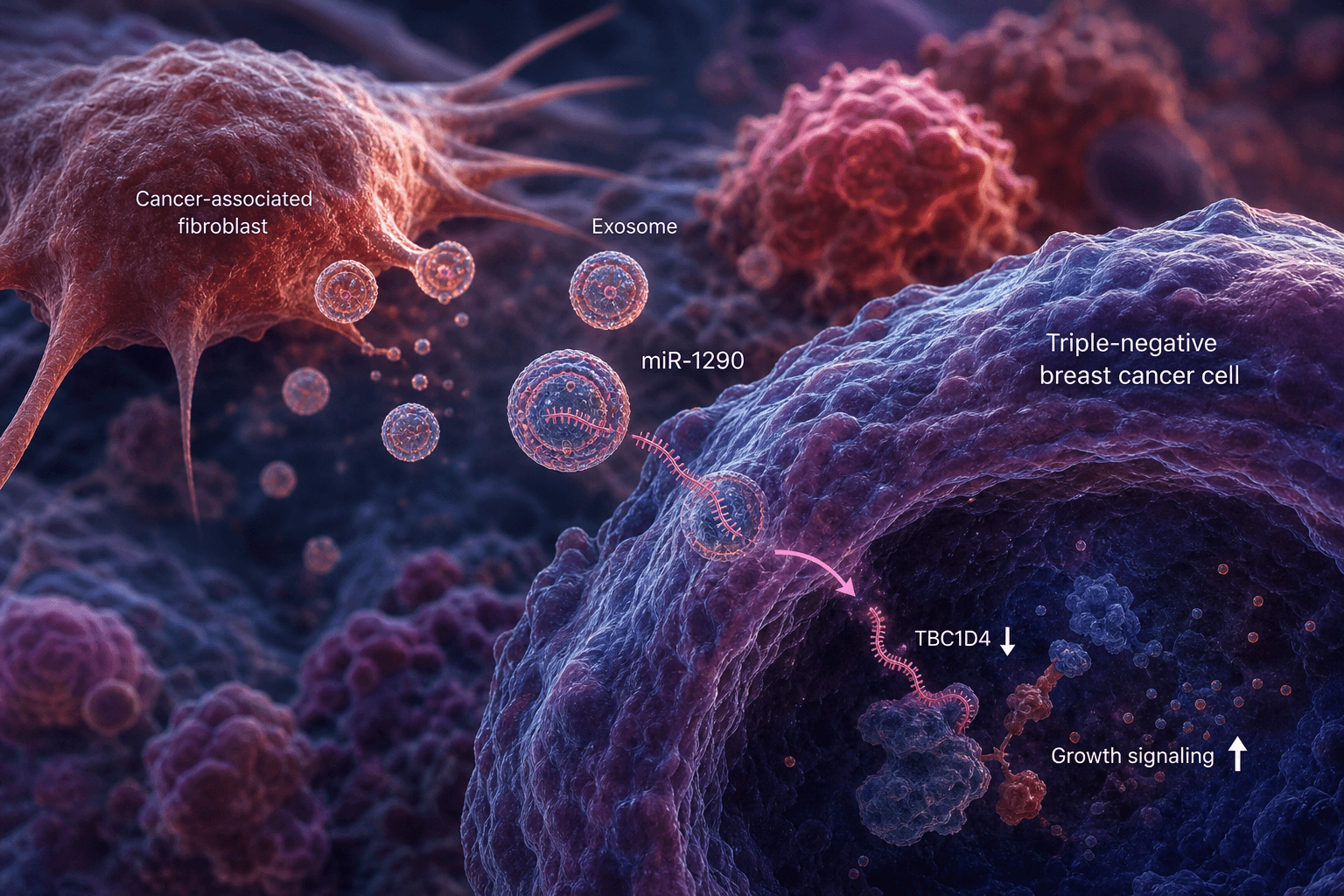
Growth pathway identified in ‘difficult-to-treat’ triple-negative breast cancer, raising potential to repurpose existing drugs