Policy & Regulation
Tailored, stage-based support for promising companies in drug development, digital health and other fields On-site meeting at Lunit hears companies’ challenges and policy needs

The Ministry of Health and Welfare and the Ministry of SMEs and Startups are developing a plan to select and provide intensive support to 50 promising small and midsize companies in the pharmaceutical and biotech sectors, including drug development, each year.
The ministries said they shared key details of the plan at an on-site meeting with pharmaceutical and biotech small and midsize companies on the 17th at Lunit in Gangnam-gu, Seoul.
The meeting was organized to incorporate companies’ on-the-ground challenges and policy needs into the support plan, which the two ministries are jointly preparing to respond to rapid changes in the global pharmaceutical and biotech market and secure future growth engines.
The “K-Pharma-Bio Frontier Companies” program will select 50 companies annually in drug development, digital health and medical devices, and biomaterials and production technology, and provide tailored support at each stage.
Attendees included Lee Hyung-hoon, second vice minister of health and welfare; Noh Yong-seok, first vice minister of SMEs and startups; and representatives of eight small and midsize companies in drug development, digital health, medical devices, biomaterials and production technology.
Companies said they need support for technology development, testing and validation during the candidate development and preclinical stages. As they advance to clinical trials, they said, substantial funding, specialized personnel and collaboration with hospitals and clinical institutions become important.
Participants also said policy support should be better coordinated so companies can continue to grow after clinical trials through product approvals, technology transfers, follow-on investment and entry into global markets.
Based on this feedback, the ministries plan to identify promising companies with growth potential and technological capabilities, and establish a system that links and provides policy support according to each company’s stage of growth and needs.
In particular, rather than limiting support to individual research and development (R&D) projects, the ministries plan to coordinate their policy tools to support a growth pathway from technology development through clinical trials and demonstration, commercialization, investment and guarantees, and global expansion.
The plan is to establish a collaborative support system by combining the Ministry of Health and Welfare’s pharmaceutical and biotech expertise and clinical and commercialization support infrastructure with the Ministry of SMEs and Startups’ capabilities in identifying small and midsize companies and supporting startups, R&D, investment and commercialization.
Lee said, “In the pharmaceutical and biotech industry, systematic support tailored to companies’ growth stages is important, from candidate development through preclinical and clinical trials, product approval and commercialization. We will work closely with the Ministry of SMEs and Startups to develop an effective support system based on feedback from companies.”
Noh said, “Even when companies in the pharmaceutical and biotech sector have excellent candidates and technologies, bringing them to market through clinical trials and commercialization takes considerable time and funding. We will fully incorporate today’s feedback into the support plan and actively support the growth of promising companies by combining the Ministry of SMEs and Startups’ capabilities in R&D, investment and commercialization with the Ministry of Health and Welfare’s pharmaceutical and biotech expertise.”
BIOBOOK TEAM
biobookmedia@biobook.co.kr
Surge in Companies Abandoning Essential Drug Production; MFDS Closes 63.8% of Cases With ‘No Action Needed’

Biotechs Sell Bread and Cosmetics Instead of Developing Drugs as Delisting Rules Distort Their Core Business

“A 30-day IND review is window dressing”: Biotech industry urges response to China’s speed
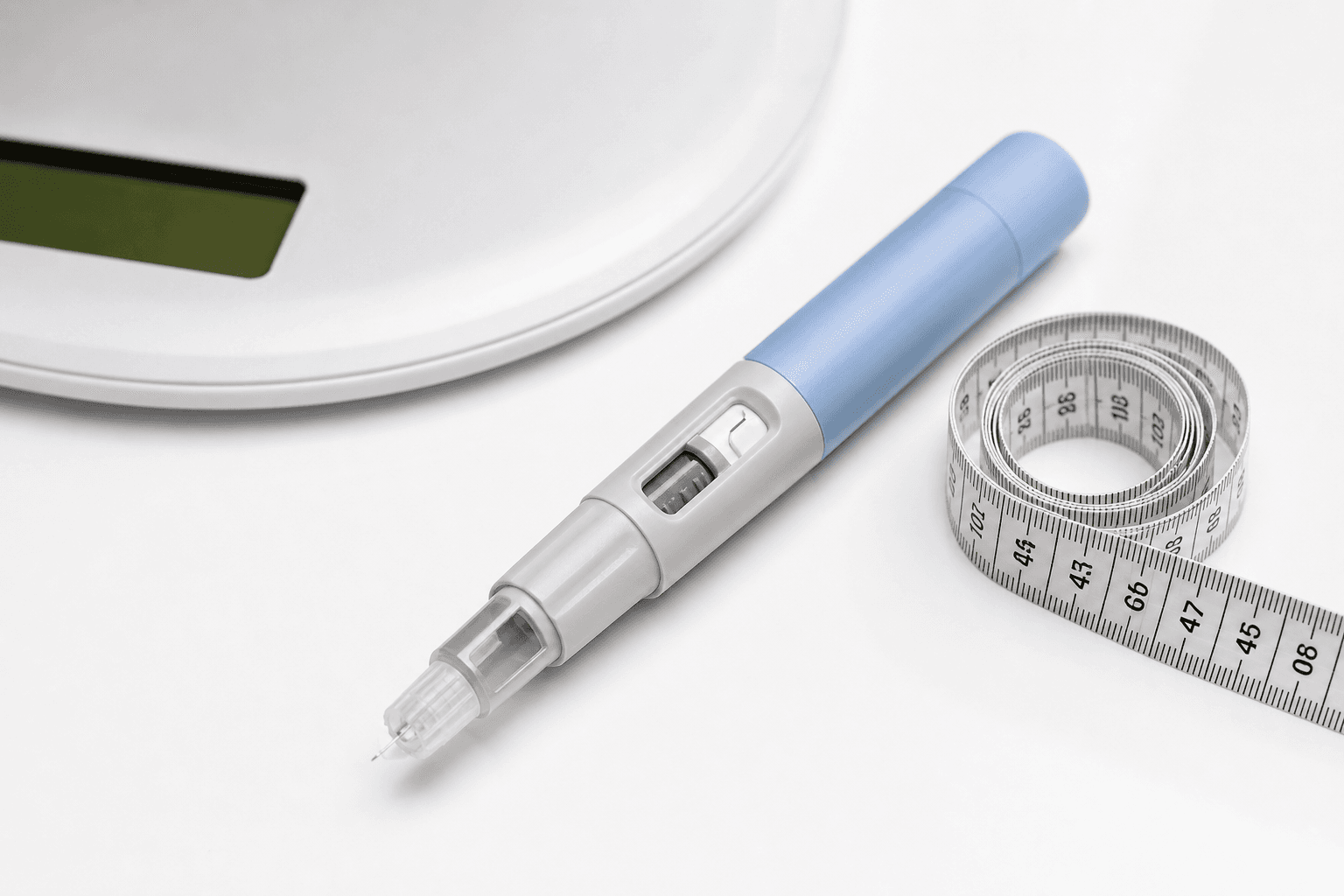
MFDS Approves First Domestically Developed GLP-1 Obesity Drug

Pharmacies to Remove ‘Warehouse’ and ‘Mart’ From Signs
Jointstem Wins in Court, but Commercialization Remains Uncertain; Shareholders File Criminal Complaint Against MFDS Chief

Peptone nears end of two-year Lilly technology evaluation…follow-on deal could be pivotal

HLB Pharmaceutical Completes 60.8 Billion Won Rights Offering, Bets on New Hyangnam Plant as Management Participation Grows

Song Young-sook sells 86 billion won stake; buyer is daughter’s one-person company — Is a second round of Hanmi control battle looming?
