Policy & Regulation
5,030 cases of weight-loss drugs seized through August, 4.2 times last year’s total Products from India found to have inconsistent ingredient levels and unidentified impurities; ruled counterfeit

As imports of “counterfeit Mounjaro” surge, the Korea Customs Service is stepping up inspections.
The Korea Customs Service said on the 17th that it is strengthening customs inspections on major import channels, including travelers’ belongings, express cargo and international mail, and blocking illegal imports as shipments of weight-loss drugs such as Mounjaro and Wegovy into South Korea have increased sharply.
The number of weight-loss drug cases seized by the Korea Customs Service surged from four in 2024 to 1,189 in 2025. This year, the total reached 5,030 through August alone, 4.2 times the full-year total for last year.
Over the past three years, a total of 6,223 weight-loss drug cases were seized. By import channel, the figures were 4,961 cases involving international mail, 1,232 involving travelers’ belongings and 30 involving express cargo.
Seizures have continued to include illegal drugs imported from overseas beyond weight-loss drugs. The Korea Customs Service seized about 60,000 cases of illegal drugs over the past three years, including about 21,000 through August this year.
The Central Customs Laboratory, together with researchers from Chung-Ang University’s College of Pharmacy, analyzed Mounjaro products from India that customs officials had blocked from entering the country during clearance.
The analysis found substantial variation in the amount of active ingredient among products, and multiple unidentified impurities were detected in some. The products were also found to have been transported without a refrigerated distribution system, or cold chain.
Mounjaro must generally be refrigerated at 2-8 degrees. The products analyzed were subsequently ruled counterfeit following an assessment by the trademark rights holder.
Na Dong-hee, a professor at Chung-Ang University’s College of Pharmacy, said, “The amount of active ingredient varied among products, and unidentified impurities were found.” She added, “Injectable drugs require strict manufacturing and quality controls, including ensuring sterility, so it can be dangerous to buy and use products whose source and quality have not been verified.”
Lee Jin-hee, director general of the Korea Customs Service’s Customs Clearance Bureau, said, “As attempts to illegally import various drugs, including weight-loss drugs, are increasing, we will strengthen customs inspections across import channels and respond firmly to illegal activities such as smuggling.”
Biobook Team
biobookmedia@biobook.co.kr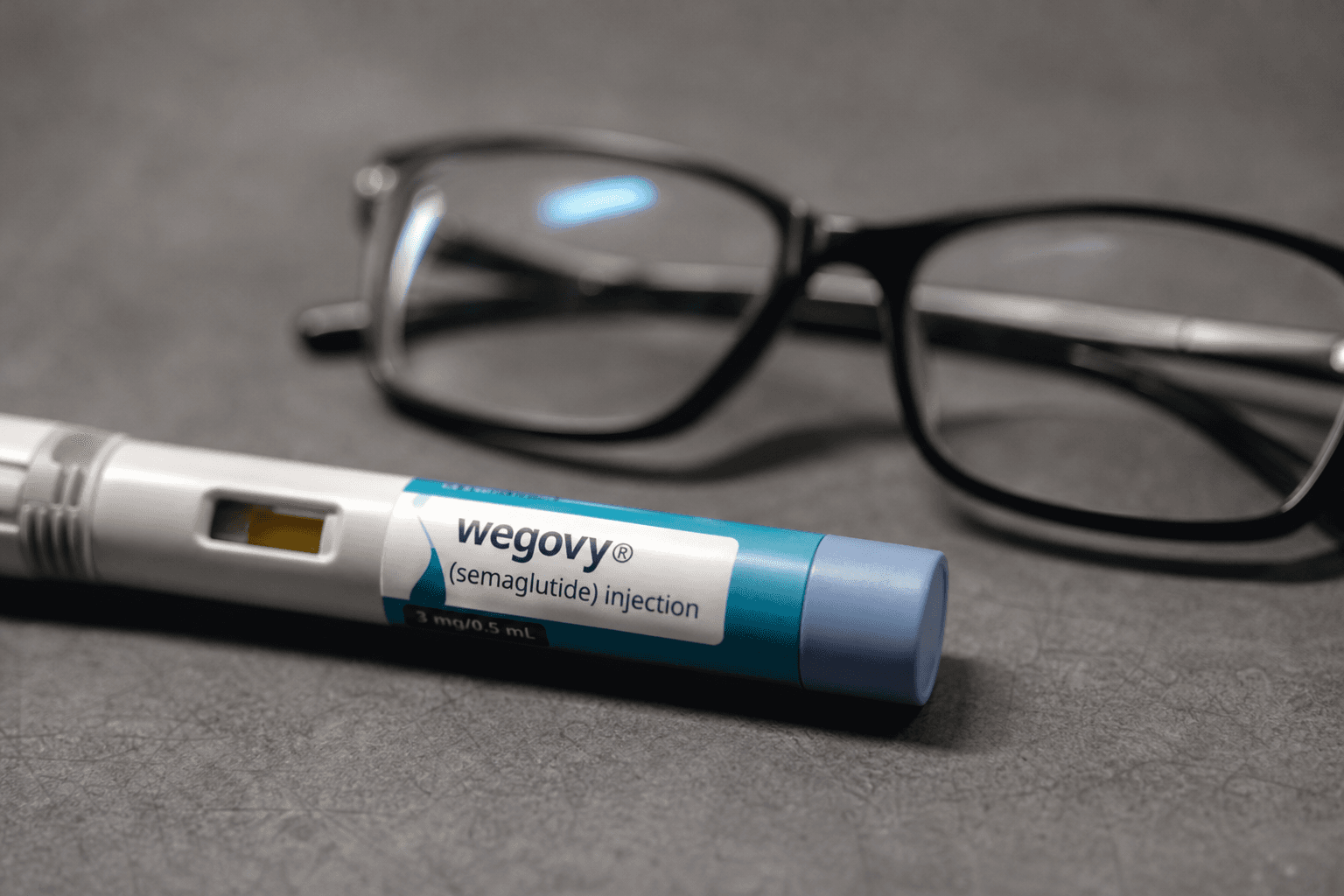
Wegovy Blindness Warning Left Unaddressed for 21 Months, Raising Questions About MFDS Response

AI Virtual Control Groups Move Into the Regulatory Spotlight for Drug Approvals as U.S. and Korean Regulators Convene
Surge in Companies Abandoning Essential Drug Production; MFDS Closes 63.8% of Cases With ‘No Action Needed’

Biotechs Sell Bread and Cosmetics Instead of Developing Drugs as Delisting Rules Distort Their Core Business

“A 30-day IND review is window dressing”: Biotech industry urges response to China’s speed
MFDS Approves First Domestically Developed GLP-1 Obesity Drug



