
Policy & Regulation
Bringing medication abortion into the national health care system to protect women’s safety and right to health For the first 2 years, direct prescribing by physicians will be required; use within 63 days of pregnancy

The government is moving to formally introduce medication abortion. This is the first policy reform in 7 years since the Constitutional Court ruled the abortion ban unconstitutional.
The Ministry of Gender Equality and Family, the Ministry of Health and Welfare, and the Ministry of Food and Drug Safety reported plans to introduce medication abortion at the 14th National Policy Coordination Meeting, held on the 16th at the Government Complex Seoul.
The measure is a follow-up to a government policy agenda and President Lee Jae-myung’s directive in July to review the possibility of allowing medication abortion. The aim is to bring drugs that have been circulating illicitly into the national health care system and ensure women’s safety and right to health.
The Ministry of Gender Equality and Family reported that, as a legislative vacuum has persisted since the Constitutional Court’s ruling that the abortion ban was unconstitutional, illegal distribution of drugs whose safety has not been verified and substitute products have proliferated. It also said women’s right to choose surgery or medication based on their health status has been restricted, while delays have increased the cost of abortion and created socioeconomic burdens.
The Ministry of Food and Drug Safety said medication abortion products currently undergoing import approval and review were submitted for use within 63 days (9 weeks) of pregnancy, based on clinical trial data. The ministry plans to thoroughly review the safety, efficacy and quality of the products, as well as the application materials, including risk management plans.
The Ministry of Health and Welfare said it would require direct prescribing and dispensing by physicians at medical institutions for the first 2 years after the drugs are introduced, and would consider plans for gradual expansion after reviewing adverse effects and safety.
Won Min-kyung, minister of gender equality and family, said, “Pregnancy and childbirth are decisions that have a profound impact on women’s lives, but institutional shortcomings have meant that individuals’ rights to safely access the health care system have not been guaranteed.” She added, “We expect abortions to be carried out more safely within the national health care system and the burdens on women facing socioeconomic circumstances that leave them with no choice but to have an abortion to be reduced.”
Jeong Eun-kyeong, minister of health and welfare, said, “We will work to create conditions for safe use after medication abortion is approved.” Oh Yu-kyung, minister of food and drug safety, said, “We will thoroughly review the application materials for medication abortion, with public safety as our top priority.”
BIOBOOK TEAM
biobookmedia@biobook.co.kr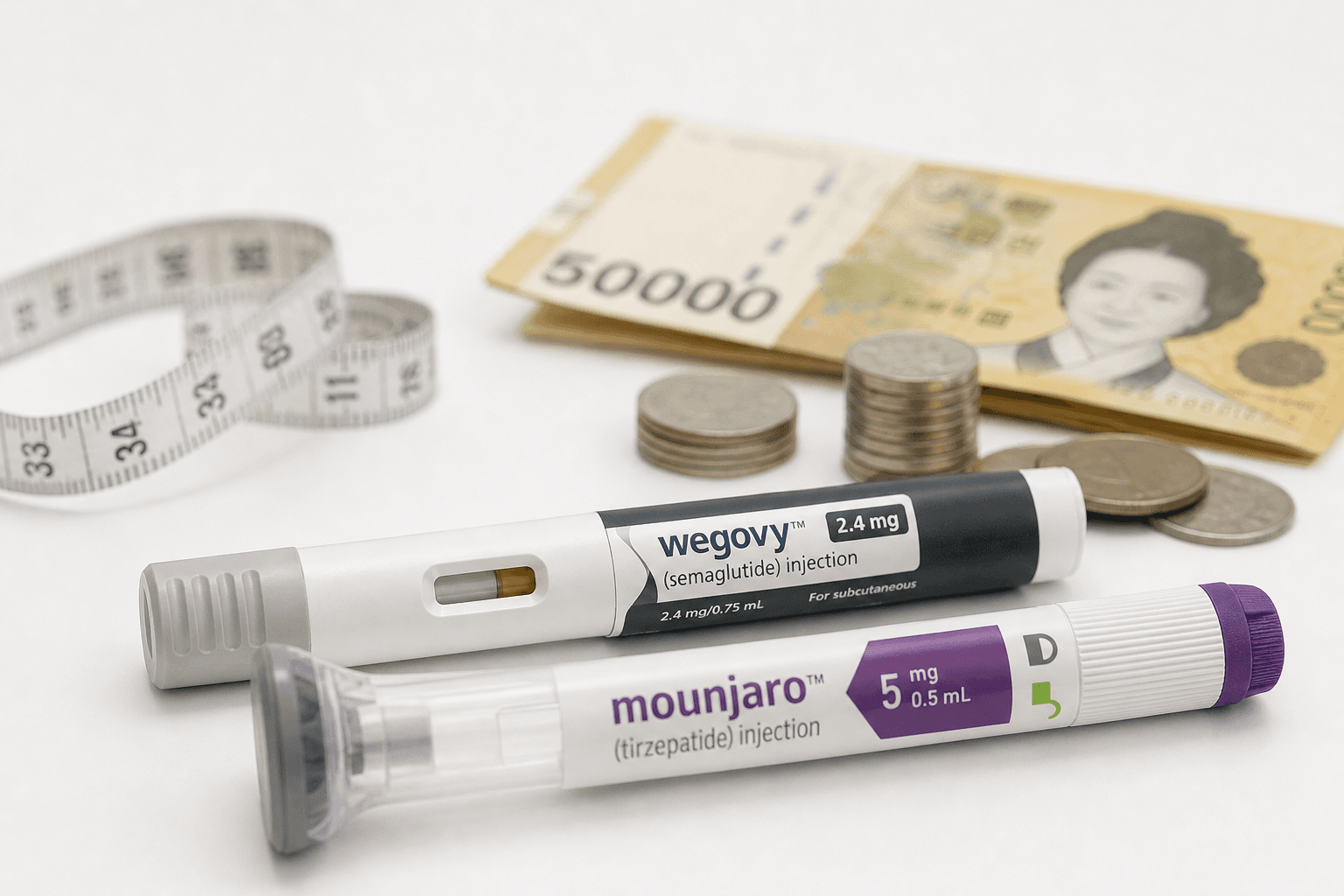
South Jeolla-Gwangju Moves to Create Nation’s First Ordinance Supporting Obesity Drug Costs

MFDS to Use AI for Vaccine Release and Process Validation, Shifting From Post-Production Testing to Real-Time Prediction
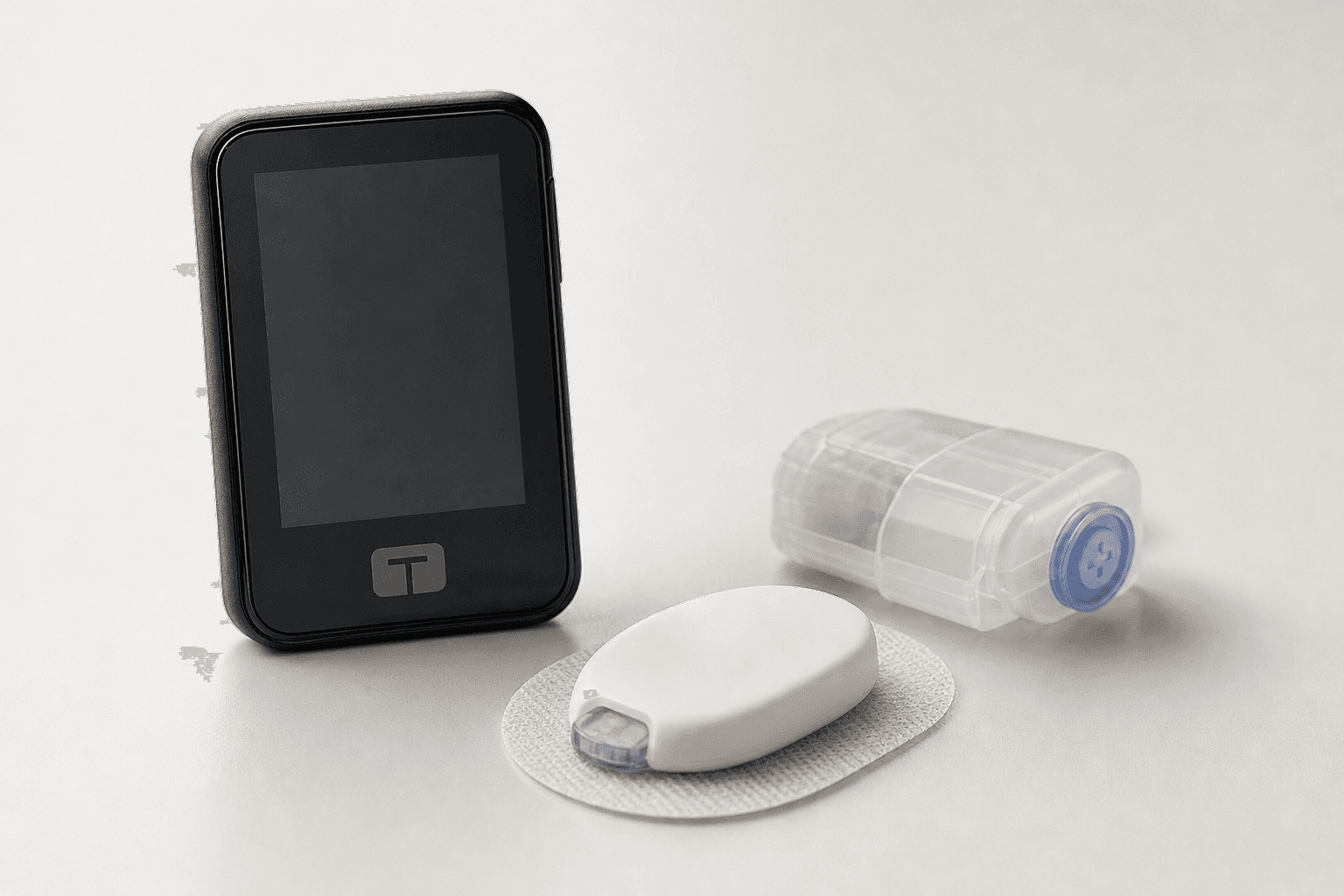
Tandem’s tubeless insulin pump wins FDA approval, with wear time of up to 7 days

‘Speed Race’ for Innovative Medical Devices Stalls at Health Insurance Reimbursement Hurdle

The ‘Valley of Death’ for Infectious Disease Treatments: Cross-Agency Coordination Is Key
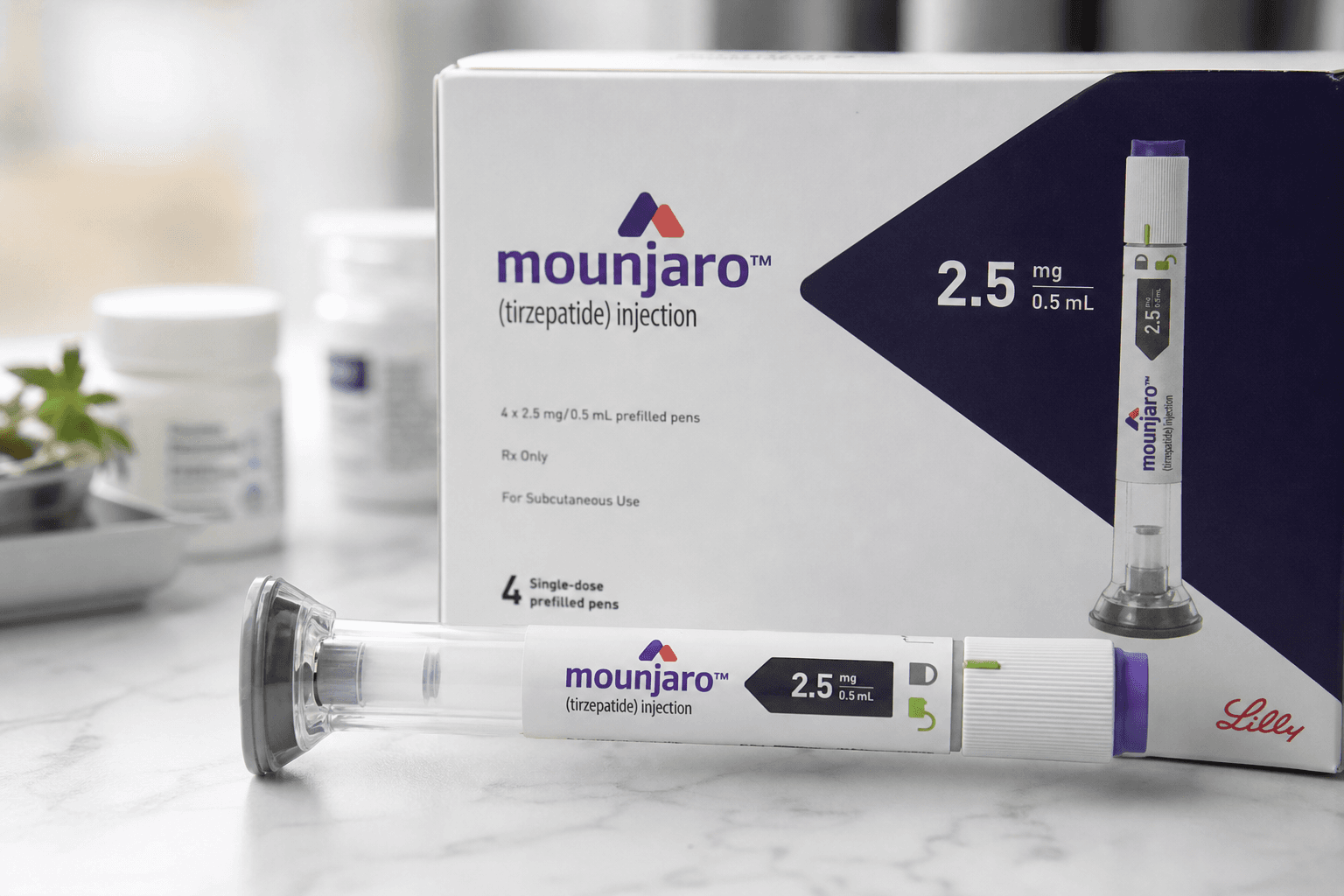
Mounjaro Costs 59,000 Won in Japan, 300,000 Won in Korea, Sparking Price Debate


