
Policy & Regulation
Unapproved drugs found for sale at 30 of 43 import shops 1,300 violating products seized; cases referred for investigation

Unapproved imported drugs were found for sale at 7 in 10 import shops in traditional markets.
The Ministry of Food and Drug Safety said on the 27th that it had identified 30 import shops in violation of the Pharmaceutical Affairs Act and the Narcotics Control Act after conducting three rounds of joint, targeted inspections of the drug sector with local governments from June through this month.
The inspections covered 43 import shops in Seoul’s Namdaemun Market and Daegu’s Gyodong Market. Sales of unapproved imported drugs from Japan and the United States were confirmed at 30 of the shops (69.7%).
The ministry sealed or otherwise secured about 1,300 violating products at the sites, or accepted them for voluntary submission, to prevent their distribution. It referred the businesses to the Central Investigation Unit for Harmful Offenses for investigation.
The inspections were conducted in cooperation with the ministry, regional offices of the Ministry of Food and Drug Safety, and the Seoul and Daegu local governments amid ongoing public concern that traditional market import-shop vendors were selling illegal drugs.
The products identified included a range of medicines, such as antipyretic analgesics, cold medicines, gastrointestinal medicines, antifungal medicines for athlete’s foot and laxatives. They also included products related to narcotics, such as an anti-inflammatory analgesic containing a psychotropic substance and an antipyretic analgesic containing dihydrocodeine.
Shin Jun-su, director general of the ministry’s Drug Safety Bureau, urged consumers to exercise caution, saying, “Even if a product has been approved for sale overseas, it is difficult to verify its authenticity unless it was officially imported by a domestic pharmaceutical importer. If it is an illegally counterfeited product, it may contain harmful ingredients, so its safety cannot be guaranteed.”
He added, “Even if harm occurs during use, legal protections such as recalls or compensation may be difficult to obtain, so consumers should buy and use medicines that have been approved in Korea and are being distributed and sold through legitimate channels.”
The ministry also warned traditional market vendors that medicines may be sold only by licensed pharmacy operators and that vendors caught buying and selling illegal drugs may be referred for prosecution.
The ministry provided the Korea Customs Service with information on the unapproved imported drugs identified and requested that their customs clearance be blocked. It plans to operate an ongoing public-private monitoring system, including asking traditional market merchants’ associations to take voluntary steps to eliminate illegal sales.
Biobook Team
biobookmedia@biobook.co.kr
South Jeolla-Gwangju Moves to Create Nation’s First Ordinance Supporting Obesity Drug Costs
MFDS to Use AI for Vaccine Release and Process Validation, Shifting From Post-Production Testing to Real-Time Prediction
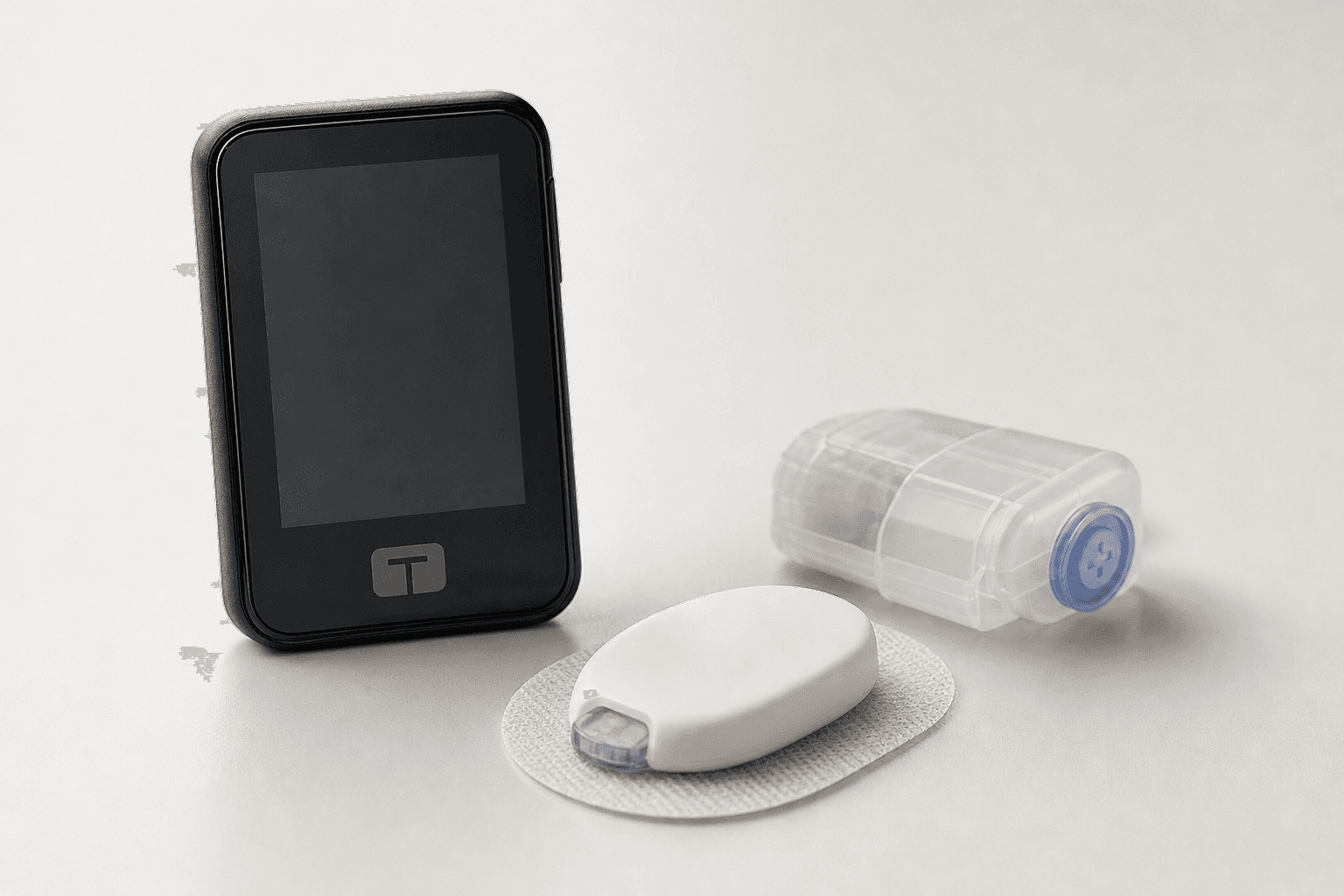
Tandem’s tubeless insulin pump wins FDA approval, with wear time of up to 7 days
‘Speed Race’ for Innovative Medical Devices Stalls at Health Insurance Reimbursement Hurdle

The ‘Valley of Death’ for Infectious Disease Treatments: Cross-Agency Coordination Is Key
Mounjaro Costs 59,000 Won in Japan, 300,000 Won in Korea, Sparking Price Debate


