Bio News

St. Jude Children’s Research Hospital successfully reactivated the frataxin gene, which was suppressed by hundreds of repetitive sequences, using a synthetic regulator. The researchers confirmed that the synthetic regulator “SynGR1” induces gene expression by recruiting the active protein BRD4, even when repressive signals increase. The researchers presented a new possibility for treating neurodegenerative diseases that could overcome the complexity created by combinations of about 20 types of histone modifications.
BIOBOOK TEAM
biobookmedia@biobook.co.krAspen Neuroscience and Bambusa Plan U.S. IPOs; Developers of Parkinson’s and Bispecific Antibody Therapies
St. Jude Identifies Cell Marker for High-Risk Neuroblastoma
University of Texas at Austin Develops Flexible Electrode for Recording Brain Waves for a Month Without Shaving Hair
Revolution Medicines Shares Fall 6.3% on Concerns About RASONK’s KRAS Subgroup
GSK Adopts Chai Discovery AI Model After Wet-Lab Validation
Teva Wins FDA Approval for Long-Acting Olanzapine Beltruzza for Schizophrenia

Peptone nears end of two-year Lilly technology evaluation…follow-on deal could be pivotal
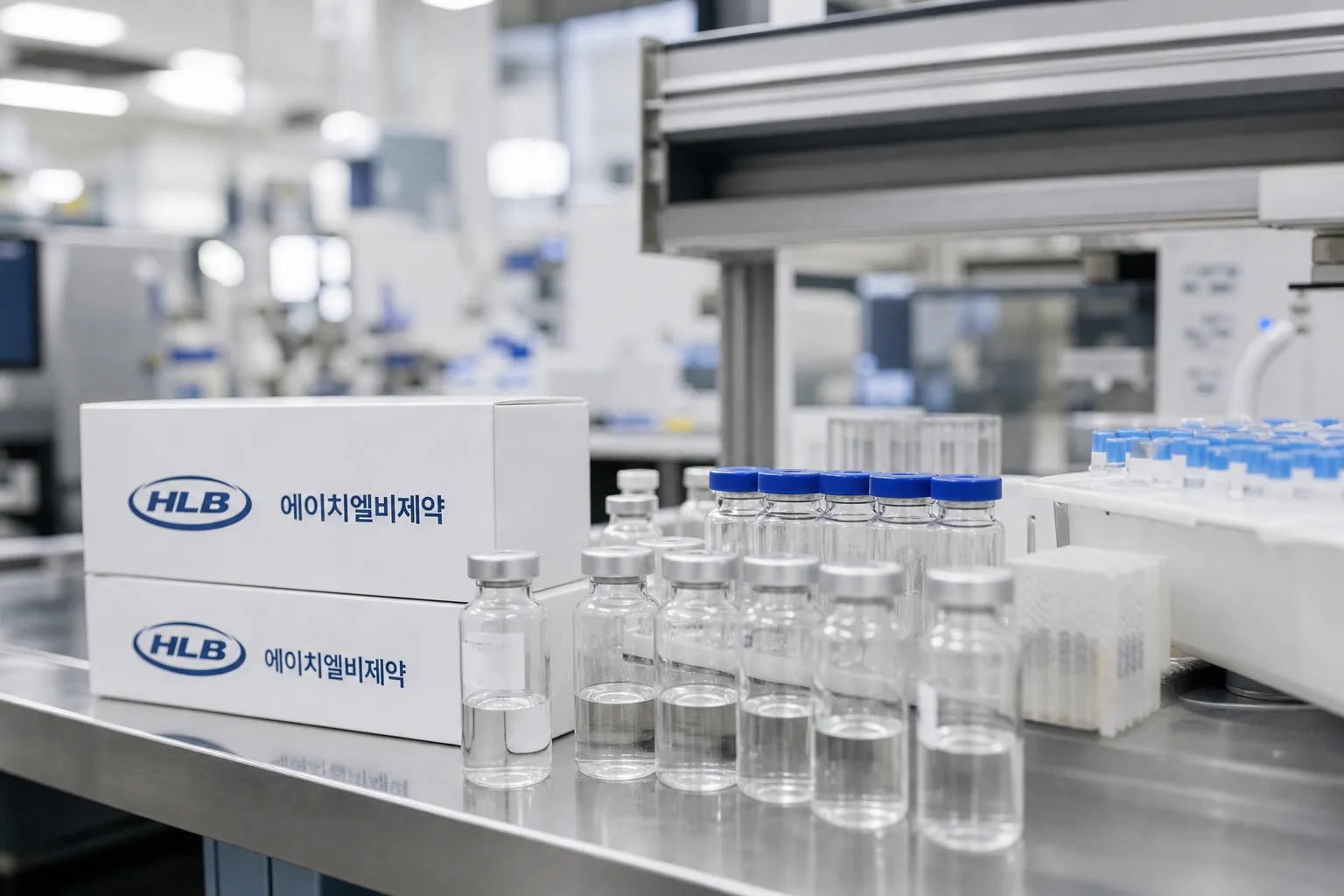
HLB Pharmaceutical Completes 60.8 Billion Won Rights Offering, Bets on New Hyangnam Plant as Management Participation Grows

Song Young-sook sells 86 billion won stake; buyer is daughter’s one-person company — Is a second round of Hanmi control battle looming?
