Bio News

Among patients receiving immunotherapy for liver cancer, those with higher fecal acetate levels had a median OS of 25.2 months, more than twice as long as the 11.3 months observed in the low-level group. A research team at Taipei Veterans General Hospital analyzed 102 patients with liver cancer associated with metabolic dysfunction-associated steatohepatitis (MASLD) and viral hepatitis and found that acetate was a common predictor of treatment response in both types. The researchers said acetate could serve as a biomarker and therapeutic target for combination treatment with immune checkpoint inhibitors.
BIOBOOK TEAM
biobookmedia@biobook.co.krAspen Neuroscience and Bambusa Plan U.S. IPOs; Developers of Parkinson’s and Bispecific Antibody Therapies
St. Jude Identifies Cell Marker for High-Risk Neuroblastoma
University of Texas at Austin Develops Flexible Electrode for Recording Brain Waves for a Month Without Shaving Hair
Revolution Medicines Shares Fall 6.3% on Concerns About RASONK’s KRAS Subgroup
GSK Adopts Chai Discovery AI Model After Wet-Lab Validation
Teva Wins FDA Approval for Long-Acting Olanzapine Beltruzza for Schizophrenia

Peptone nears end of two-year Lilly technology evaluation…follow-on deal could be pivotal
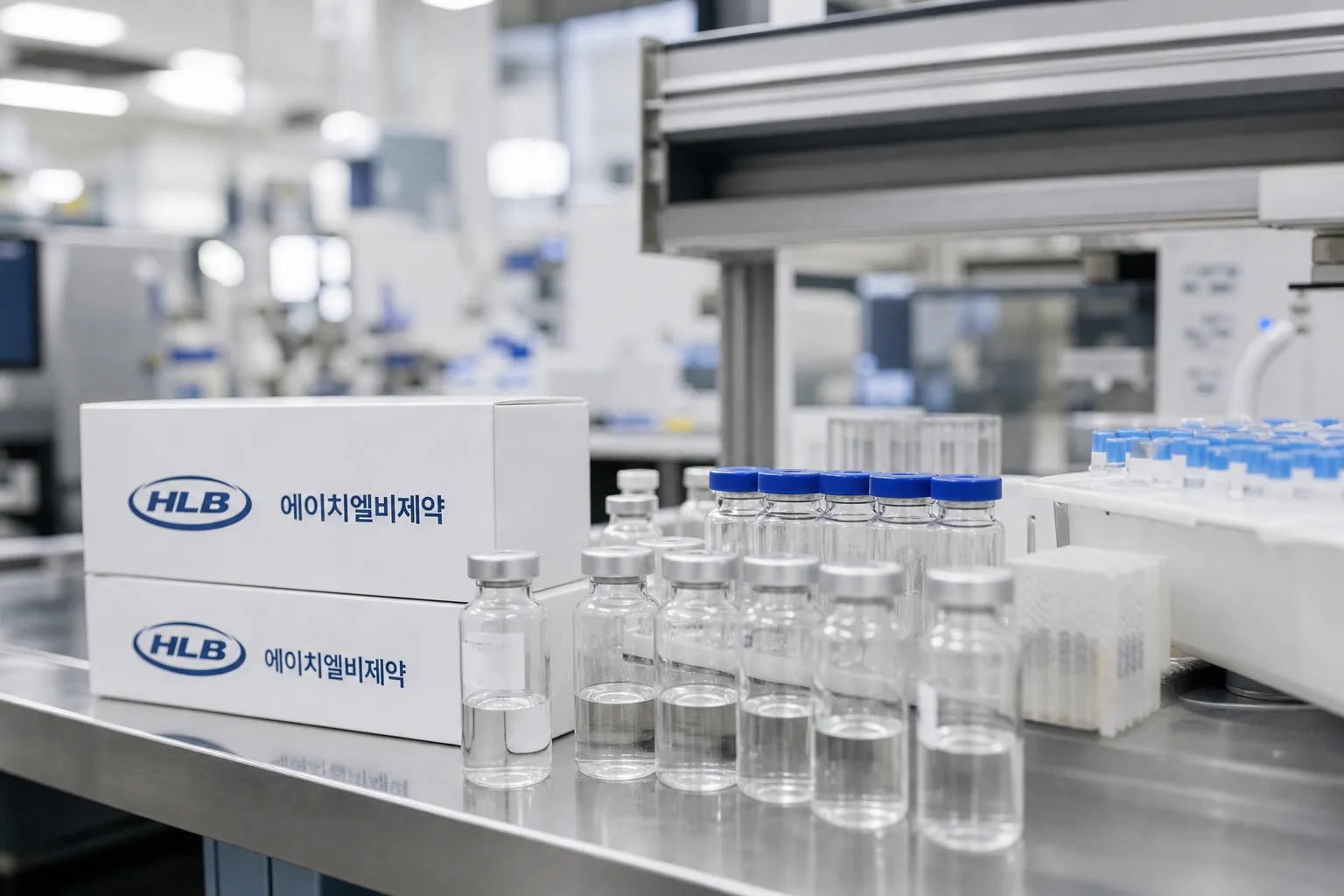
HLB Pharmaceutical Completes 60.8 Billion Won Rights Offering, Bets on New Hyangnam Plant as Management Participation Grows

Song Young-sook sells 86 billion won stake; buyer is daughter’s one-person company — Is a second round of Hanmi control battle looming?
