
Policy & Regulation
Proposal would ban ‘warehouse,’ ‘mart’ and ‘factory’ in pharmacy names

The Ministry of Health and Welfare said on the 6th that it is pursuing a revision to the Enforcement Rule of the Pharmaceutical Affairs Act that would prohibit pharmacies from using terms such as “warehouse,” “mart” and “factory” in their names. Price-related terms such as “discount,” “special price” and “low price,” as well as terms such as “largest,” “best,” “first” and “biggest” that lack objective support, would also be restricted in labeling and advertising.
This revision does not create a new regulation. It is a follow-up measure to establish prohibited terms under criteria delegated to the Ministry of Health and Welfare by an amendment to the Pharmaceutical Affairs Act, which passed the National Assembly plenary session on Aug. 26 and takes effect Dec. 23.
The regulation targets so-called warehouse-style pharmacies, which first appeared in June 2025. However, the new criteria address signs and advertising copy only; they do not affect the bulk displays and low-price sales practices that have fueled the growth of these pharmacies.
Three categories of prohibited terms fill gaps left by the law
The amended Pharmaceutical Affairs Act prohibits pharmacies from using as their distinctive names labels that distort the function of a pharmacy or mislead consumers, or that could encourage excessive consumption of medicines. The Ministry of Health and Welfare was tasked with specifying which terms fall into these categories through a ministerial ordinance.
The proposed revision divides those terms into three categories. “Warehouse,” “mart” and “factory” are classified as terms that distort a pharmacy’s function; “discount,” “special price” and “low price” as terms that encourage excessive consumption; and unsupported claims such as “largest,” “best,” “first” and “biggest” as terms that mislead consumers.
Gwak Sun-heon, director general of health care policy at the Ministry of Health and Welfare, said, “Pharmacy names and labeling and advertising are more than simple business tools; they convey information to consumers about pharmacies and medicines. We will reasonably regulate terms that could encourage the misuse or overuse of medicines.”
The effective date differs for new and existing pharmacies. The amended law was promulgated Sept. 22, and pharmacies already using prohibited terms will receive a six-month grace period from the effective date. Existing pharmacies must change their names by June 22, 2027.
Regulation the Fair Trade Commission had recommended removing returns
This is not the first attempt to restrict labeling and advertising. The Ministry of Health and Welfare previously sought to restrict terms such as “warehouse-style,” “mart-style,” “holy site,” “special price” and “discount” through a proposed revision to the enforcement rule. The public comment period for that proposal closed Jan. 7.
At the time, the Fair Trade Commission recommended deleting the provision, saying it would impose a blanket ban even on terms that could be supported by objective evidence, without setting specific criteria for determining whether they mislead consumers. It also cited significant concerns that the measure could restrict new entry into the pharmacy market and excessively infringe on businesses’ ability to compete on price legitimately.
The situation changed after the National Assembly established a direct statutory basis for the regulation. A measure that had been pursued under the enforcement rule alone became a regulation authorized by law. However, concerns that banning terms containing price information, such as “discount,” “special price” and “low price,” conflicts with consumers’ right to choose have not been resolved. The proposed revision must also undergo regulatory review.
Pharmacist groups have called for the regulation. In an April survey by the Korean Pharmaceutical Association of pharmacies near warehouse-style pharmacies, 72.8% of respondents said sales of nutritional supplements had declined, and 53.3% said sales of over-the-counter medicines had declined. The results should be considered in light of the fact that the survey was conducted by an interested party.
Changing the sign leaves the store unchanged
There are no official government statistics on warehouse-style pharmacies. Private estimates vary by methodology, putting the number at about 40 in June and about 70 in September. They agree that the format spread nationwide in just over a year after Mega Factory Pharmacy, considered the first such store, opened.
The new criteria address words. They do not prohibit the sales model of displaying large quantities of medicines in spacious stores and letting customers fill shopping carts before checkout, nor do they prohibit low prices themselves. Under these rules, there would be no basis for penalizing a pharmacy that removes “warehouse” from its name but continues operating in the same way.
The boundaries of the prohibited terms also remain unclear. All the examples announced end with “and others.” The announcement does not specify whether foreign-language terms such as “factory” or terms not included in the examples, such as “mega” and “holy site,” are covered. As of August, 117 pharmacies had “mega” in their names, 35 had “holy site,” 30 had “biggest” and three had “factory,” according to one count. The number of pharmacies that would have to change their signs could vary substantially depending on how the scope is defined.
The Ministry of Health and Welfare plans to notify local governments and relevant agencies of the new criteria after gathering public input and completing regulatory review. The regulation’s effectiveness will depend on how far the enforcement rule provisions finalized before the law takes effect Dec. 23 extend to foreign-language and similar terms, and whether local governments actually require pharmacies to change their names after the grace period ends in June 2027.
BIOBOOK TEAM
biobookmedia@biobook.co.kr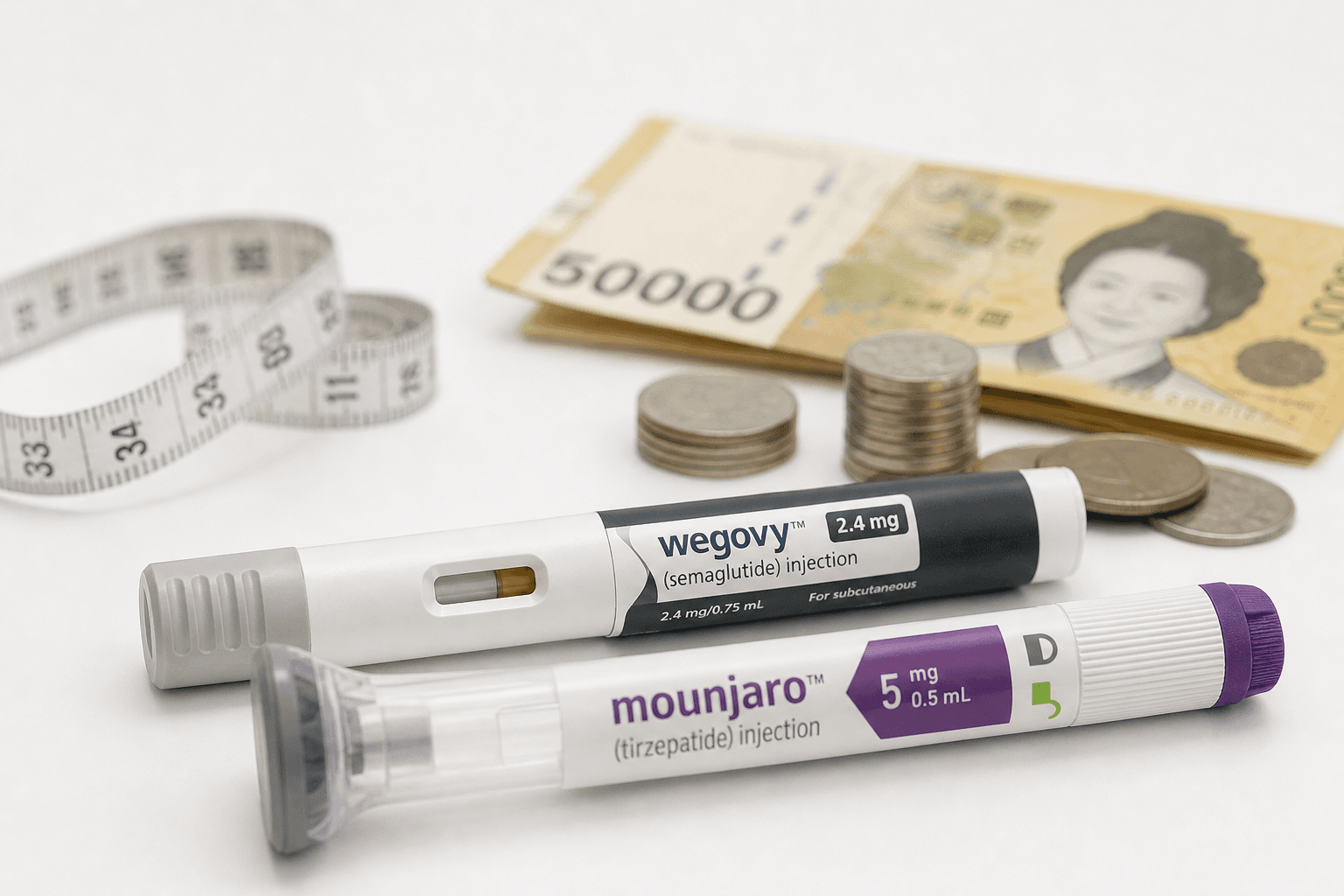
South Jeolla-Gwangju Moves to Create Nation’s First Ordinance Supporting Obesity Drug Costs
MFDS to Use AI for Vaccine Release and Process Validation, Shifting From Post-Production Testing to Real-Time Prediction
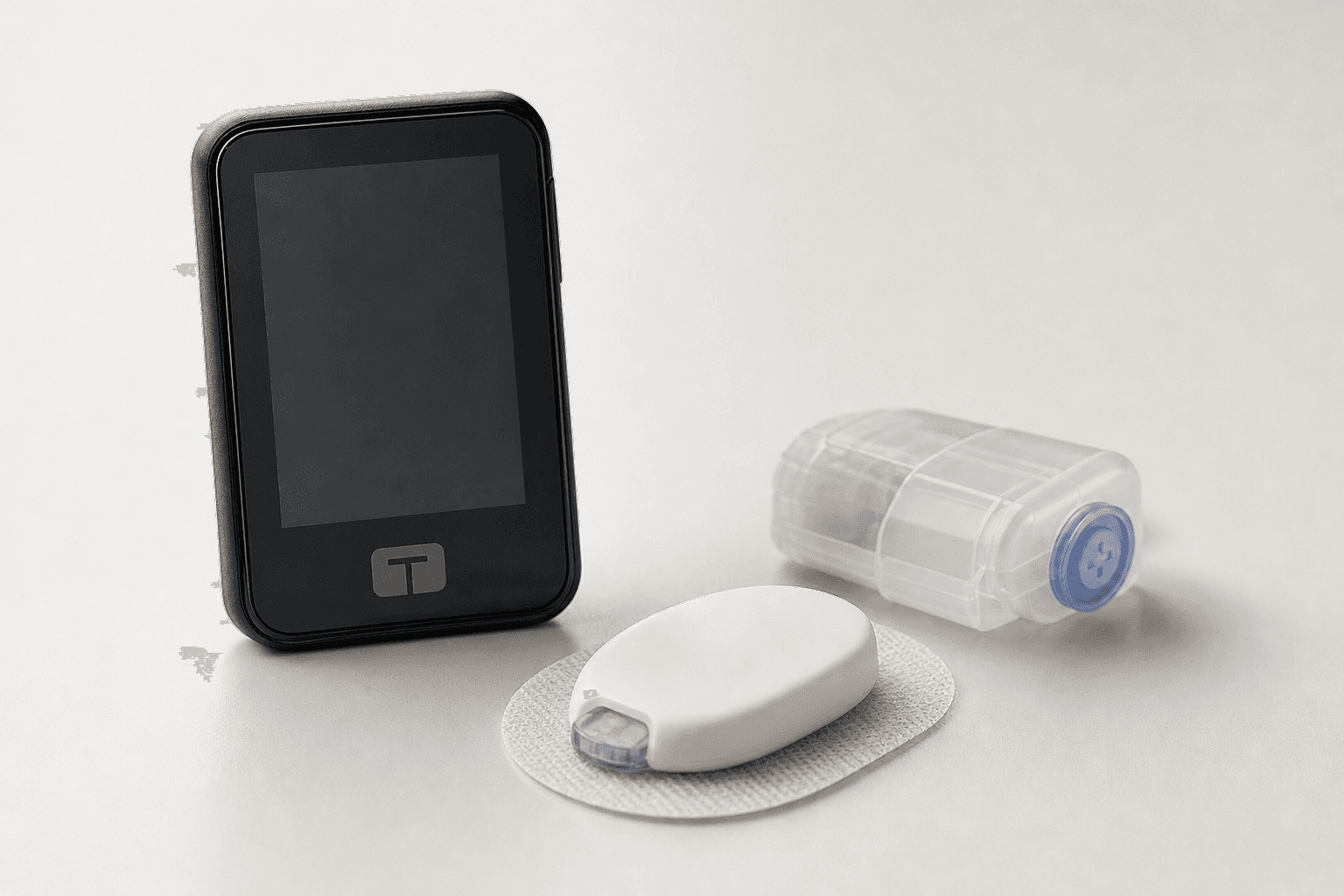
Tandem’s tubeless insulin pump wins FDA approval, with wear time of up to 7 days

‘Speed Race’ for Innovative Medical Devices Stalls at Health Insurance Reimbursement Hurdle

The ‘Valley of Death’ for Infectious Disease Treatments: Cross-Agency Coordination Is Key
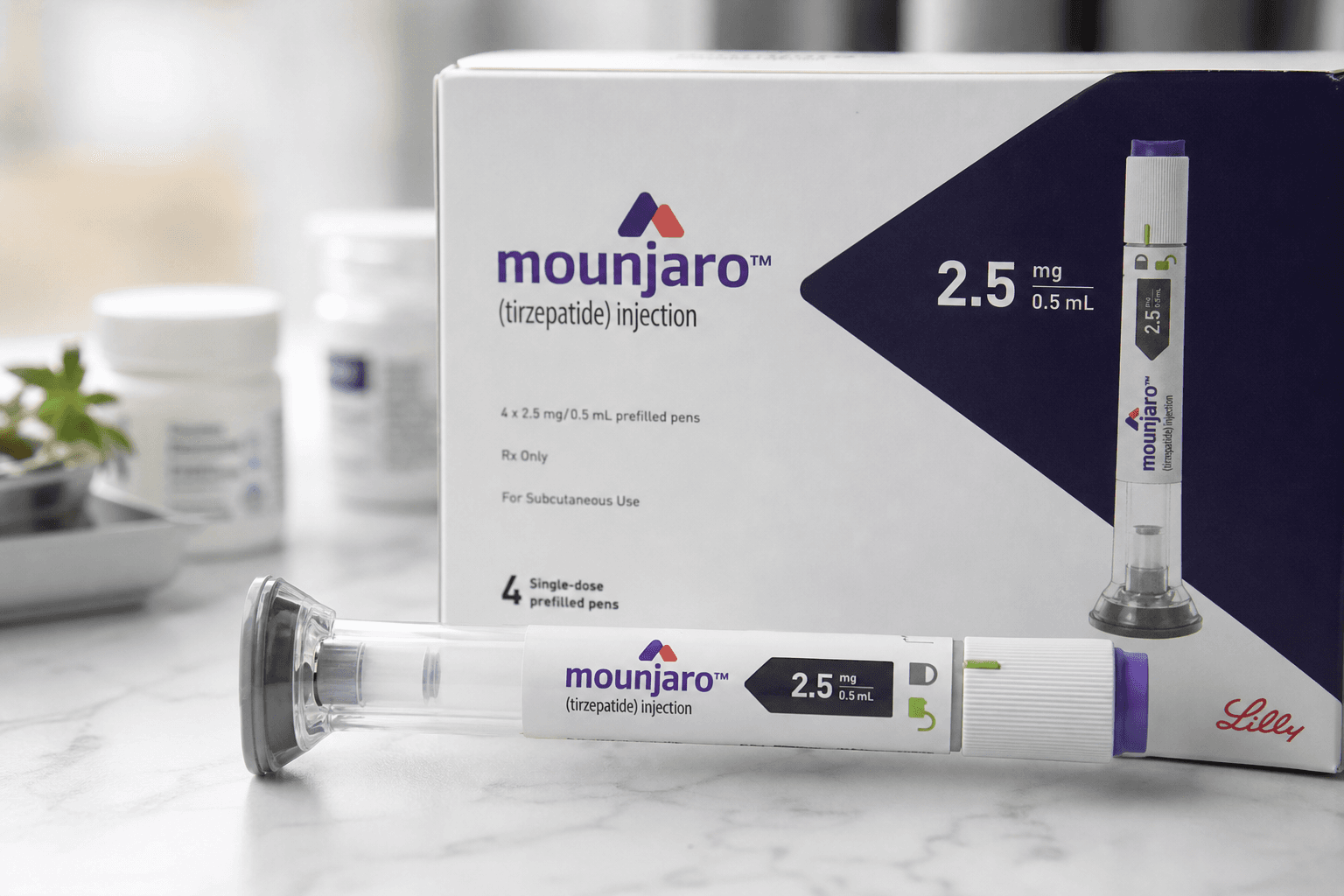
Mounjaro Costs 59,000 Won in Japan, 300,000 Won in Korea, Sparking Price Debate


