Market
South Korea’s largest biotech convention opens Oct. 28 at COEX Seeking solutions to unmet needs, including oral drugs and muscle preservation

With about a month to go before BioPlus-Interphex Korea 2026 (BIX 2026), South Korea’s largest biotech and pharmaceutical convention, organizers have released the full conference schedule.
The Korea Biotechnology Industry Organization said on the 3rd that the event will be held over three days, from Oct. 28 to 30, at COEX in Seoul. More than 300 companies from around the world will participate, and more than 90 domestic and international scholars and industry experts will speak. The event will also feature about 600 exhibition booths and a global business partnering program.
The program drawing the most attention from industry is a dedicated session on next-generation obesity drugs on the opening day. Organizers have scheduled a conference titled “Get Ahead of the Post-GLP-1 Era: Expanding the Obesity Drug Market and the Next Generation of Competition.”
The session reflects how the industry’s focus is shifting toward gaining an early lead in the “post-GLP-1” market after glucagon-like peptide-1 (GLP-1) receptor agonists swept the global market.
The existing obesity drug market has been driven by GLP-1 drugs led by Novo Nordisk and Eli Lilly. However, unmet needs include the inconvenience of weekly injections, weight regain after stopping treatment, muscle loss, and gastrointestinal adverse effects such as nausea and vomiting.
Global shortages that have created production bottlenecks, along with high drug prices, have also been cited as obstacles to market expansion. In response, the global industry is shifting its focus to differentiation through oral drugs, multi-agonist mechanisms that preserve muscle, stable supply chains, and competitive pricing.
The session’s speakers have been selected to cover technology, capital, and commercialization capabilities. Billy Cho, CEO of global health care private equity firm CBC Group, will analyze the latest investment and deal trends in obesity drugs from an institutional investor’s perspective.
Hui-Jung Hsiong, vice president of Chinese biotech company Innovent Biologics, which has secured licensing and co-development deals with multiple global pharmaceutical companies, including Eli Lilly, will share Chinese biotech companies’ global partnering strategies and know-how for advancing metabolic disease pipelines overseas.
Strategies of South Korean companies will also be addressed in detail. In-young Choi, head of R&D at Hanmi Pharmaceutical and a vice president, will discuss partnerships to penetrate global markets and ways to address drug pricing and access. Hanmi is conducting a domestic phase 3 trial of efpeglenatide, a South Korean-developed obesity drug, while developing HM15275, a triple agonist that targets GLP-1, GIP, and glucagon receptors simultaneously.
Seulki Lee, CEO of D&D Pharmatech, will introduce an oral peptide platform technology designed to improve oral absorption. The presentation will focus on development strategies for next-generation pipelines that replace injections with pills and overcome the adverse effects of existing GLP-1 drugs.
In addition to obesity drugs, BIX 2026 will feature major tracks on artificial intelligence (AI)-based drug development, radiopharmaceutical therapy (RPT), and NewCo commercialization models. New areas on the agenda include medical foods, connected care, space medicine, veterinary drugs, and beauty biotech.
The event is expected to be a turning point for industry and investors seeking concrete business opportunities. On-site, advance one-to-one partnering matches with global pharmaceutical companies and buyers are being arranged through an online platform, while manufacturers with contract development and manufacturing organization (CDMO) capabilities are also seeking new contracts.
However, companies developing next-generation obesity drugs face significant hurdles. The two established pharmaceutical giants are pouring substantial investment into clinical trials for follow-on pipelines and factory expansions, backed by their production infrastructure and financial resources.
Other challenges include achieving yields and reducing costs in large-scale peptide production, as well as pressure to lower drug prices in major markets such as the United States and Europe. The next-generation market’s winners will ultimately be determined by whether they can secure, ahead of competitors, convenient dosing, better treatment quality through muscle preservation, affordable prices, and stable supply chains, analysts say.
BIOBOOK TEAM
biobookmedia@biobook.co.kr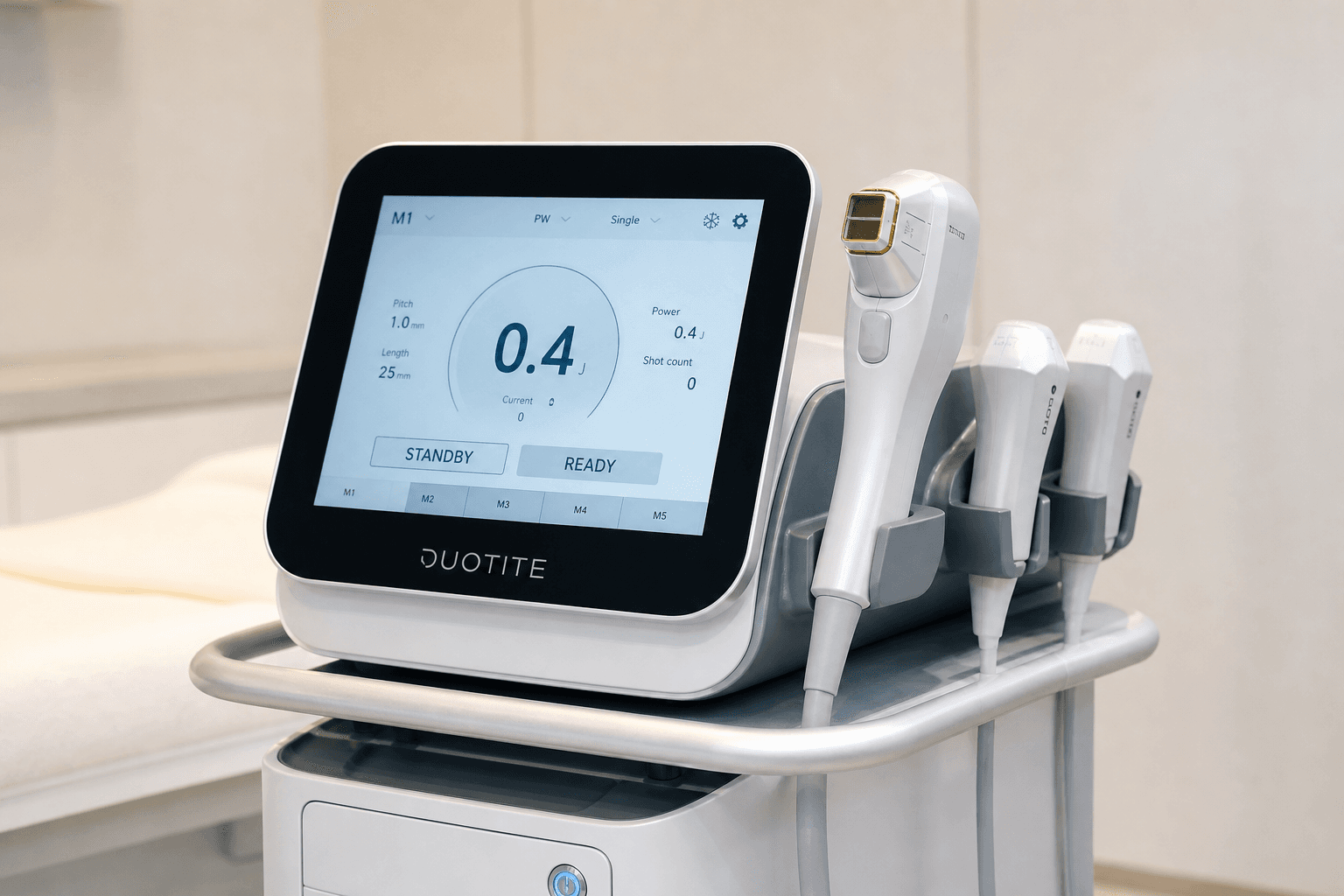
ViOL Medical Wins Thai Approval for HIFU Device, Laying Groundwork for Consumables Revenue

SCD Pharm’s glaucoma drug Latast reaches 11% market share, supplied back to originator
Alteogen’s ALT-B4 Infringes Halozyme Patent in Europe; Keytruda SC Sales Banned in 8 Countries

Immunology Drug Developer TrexBio Prices $117 Million IPO
CKD’s third-generation Lee Ju-won becomes second-largest shareholder as new drug R&D faces a test
HLB Makes Fourth Bid for Liver Cancer Drug Approval; Uncertainty Remains Despite Less Severe Inspection Outcome

Peptone nears end of two-year Lilly technology evaluation…follow-on deal could be pivotal

HLB Pharmaceutical Completes 60.8 Billion Won Rights Offering, Bets on New Hyangnam Plant as Management Participation Grows

Song Young-sook sells 86 billion won stake; buyer is daughter’s one-person company — Is a second round of Hanmi control battle looming?
