
Science
Single-channel brain-wave noise removal technology published in international journal P300 spelling accuracy improves by 7.8 percentage points

A single-channel noise-removal technology can recover brain-wave signals even when users blink or chew. Applying the technology increased P300 spelling accuracy by 7.8 percentage points.
According to BioOn on the 29th (local time), the study was published in the international journal IEEE Transactions on Neural Systems and Rehabilitation Engineering.
The researchers’ SPAR-EEG method reduces noise in stages in brain waves recorded using just one electrode, including noise from muscle movements, blinking and slow electrode drift.
Depending on the type of noise, the method processes high-frequency muscle signals using variational mode decomposition, transient signals such as blinks using singular spectrum analysis, and slow drift using gated singular spectrum analysis.
Unlike existing methods, it does not remove entire signal components. Instead, it identifies only the segments affected by noise and adjusts their energy to match a surrounding reference value. It requires no separate auxiliary channels, noise labels or artificially generated clean reference signals.
In comparisons with existing methods on the EEGdenoiseNet and PhysioBank benchmarks, at minus 20 decibels (dB), the median signal-to-noise ratio (SNR) improvements in segments with muscle, eye and mixed noise were 17.62 dB, 17.67 dB and 17.30 dB, respectively—the highest among the methods compared.
The median improvements averaged across 26 input SNR levels also ranked first in all categories: 9.05 dB for muscle noise, 8.28 dB for eye noise and 8.00 dB for mixed noise.
The technology also showed benefits in real-world applications. The SNR of alpha peaks in brain waves measured with dry electrodes increased by 1.01 dB with eyes open and 1.58 dB with eyes closed.
In a P300 spelling experiment involving 55 participants and using only forehead electrodes (FP1·FP2), character accuracy after 15 repetitions increased from 0.238 to 0.316, an improvement of 7.8 percentage points.
Based on the similar performance of the three processing methods, the researchers concluded that “suppressing eye-movement and facial-muscle noise in the frontal lobe is the main contributing factor.”
The technology is expected to reduce reliance on multichannel equipment and manual quality control in wearable EEG devices, home rehabilitation and less burdensome brain-computer interfaces.
BIOBOOK TEAM
biobookmedia@biobook.co.kr
Novartis’ Cosentyx approved for 11th indication, becoming first treatment for polymyalgia rheumatica

Oral IL-23-targeting psoriasis drug icotrokinra approved in Brazil; one tablet daily

Aribio’s Oral Alzheimer’s Drug Meets Trial Goal in Monotherapy Group, Slowing Progression by 31%

SELLAS Leukemia Vaccine Extends Survival by 9 Months, Meets Phase 3 Endpoint

Korean Drugmakers Race to Develop Obesity Treatments That Preserve Muscle During Weight Loss
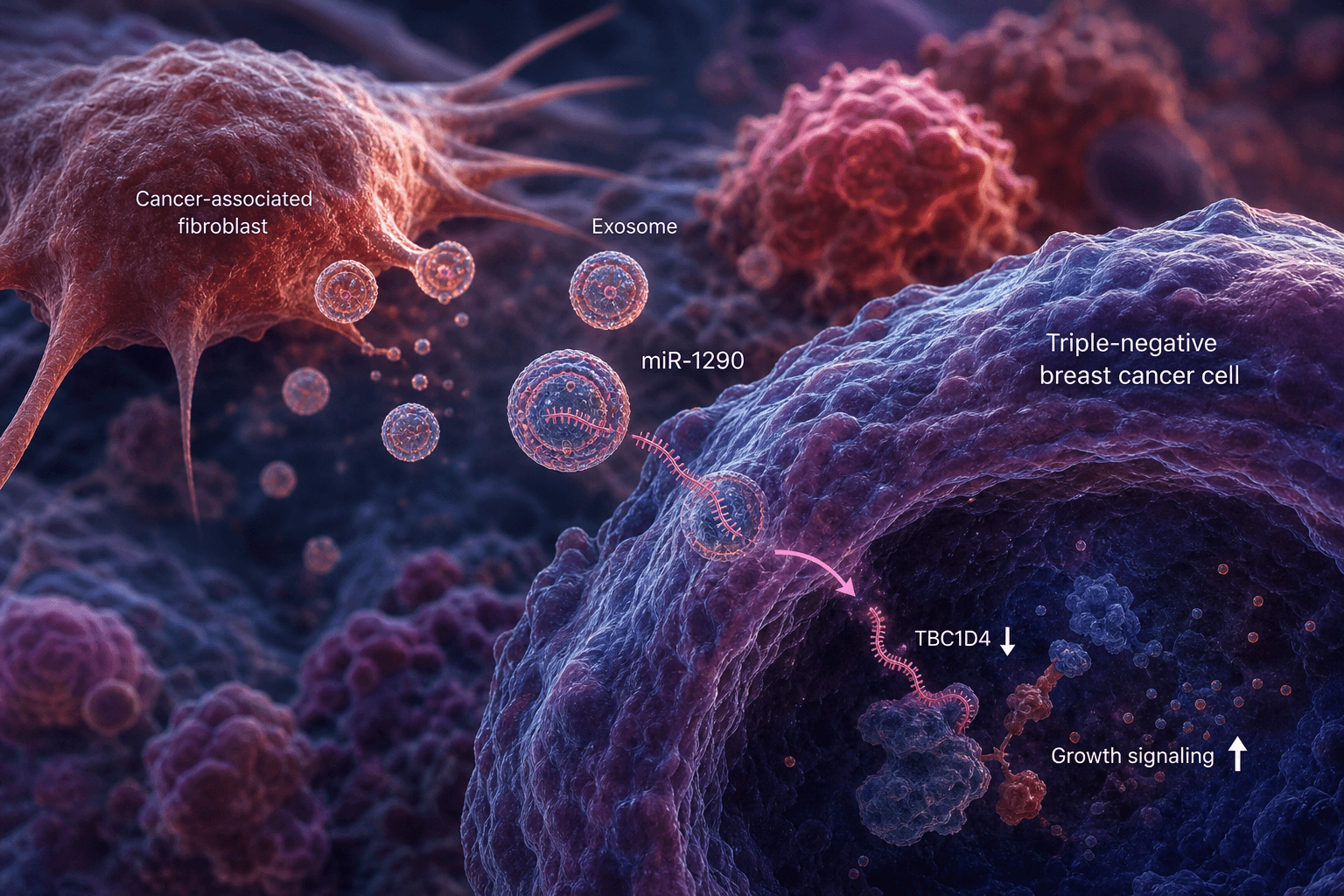
Growth pathway identified in ‘difficult-to-treat’ triple-negative breast cancer, raising potential to repurpose existing drugs


