
Science
MIT researchers report xvr technology in Nature Accuracy at the submillimeter level; could support emergency surgery

A technology can turn 2D X-ray images taken during surgery into a 3D navigation tool using an AI model tailored to the patient. The model takes just 5 minutes to generate.
According to a study published on the 26th in the international journal Nature, researchers from the Massachusetts Institute of Technology (MIT) and other institutions developed “X-ray volume registration,” a technology called “xvr.”
The technology uses the patient’s preoperative computed tomography (CT) or magnetic resonance imaging (MRI) scans to generate large numbers of synthetic X-ray images through physical simulation. The researchers described it as a “virtual X-ray machine.” It can produce about 1,000 synthetic images per second.
A neural network is trained on these synthetic images to accurately register actual intraoperative X-ray images with the preoperative 3D volume. However, training from scratch takes about 12 hours per patient, making the approach difficult to use in emergencies.
To address this, the researchers first trained a foundation model using full-body 3D scan data from more than 2,000 people. When a new patient arrives, the model adapts in about 5 minutes by fine-tuning the foundation model with that patient’s synthetic X-ray images. Its accuracy was similar to that of a model trained from scratch.
The researchers conducted the largest evaluation to date of real-world 2D-to-3D X-ray registration, spanning five hospitals, dozens of types of bones and organs, and both adults and children. The results showed accuracy at the submillimeter level, one level higher than existing methods, and registration speeds measured in seconds, meeting the requirements for emergency surgery.
Dr. Vivek Gopalakrishnan noted that a substantial portion of the U.S. population lives more than an hour’s drive from a hospital that can perform minimally invasive interventional procedures. He said that in acute ischemic stroke, about 1.9 million brain cells die irreversibly every minute, and that xvr could have significant public health implications if it lowers the barrier to treatment and enables doctors at rural hospitals to safely perform endovascular interventions.
The researchers have released xvr as open source and are pursuing commercialization in collaboration with surgical robotics companies and clinical researchers.
Biobook Team
biobookmedia@biobook.co.kr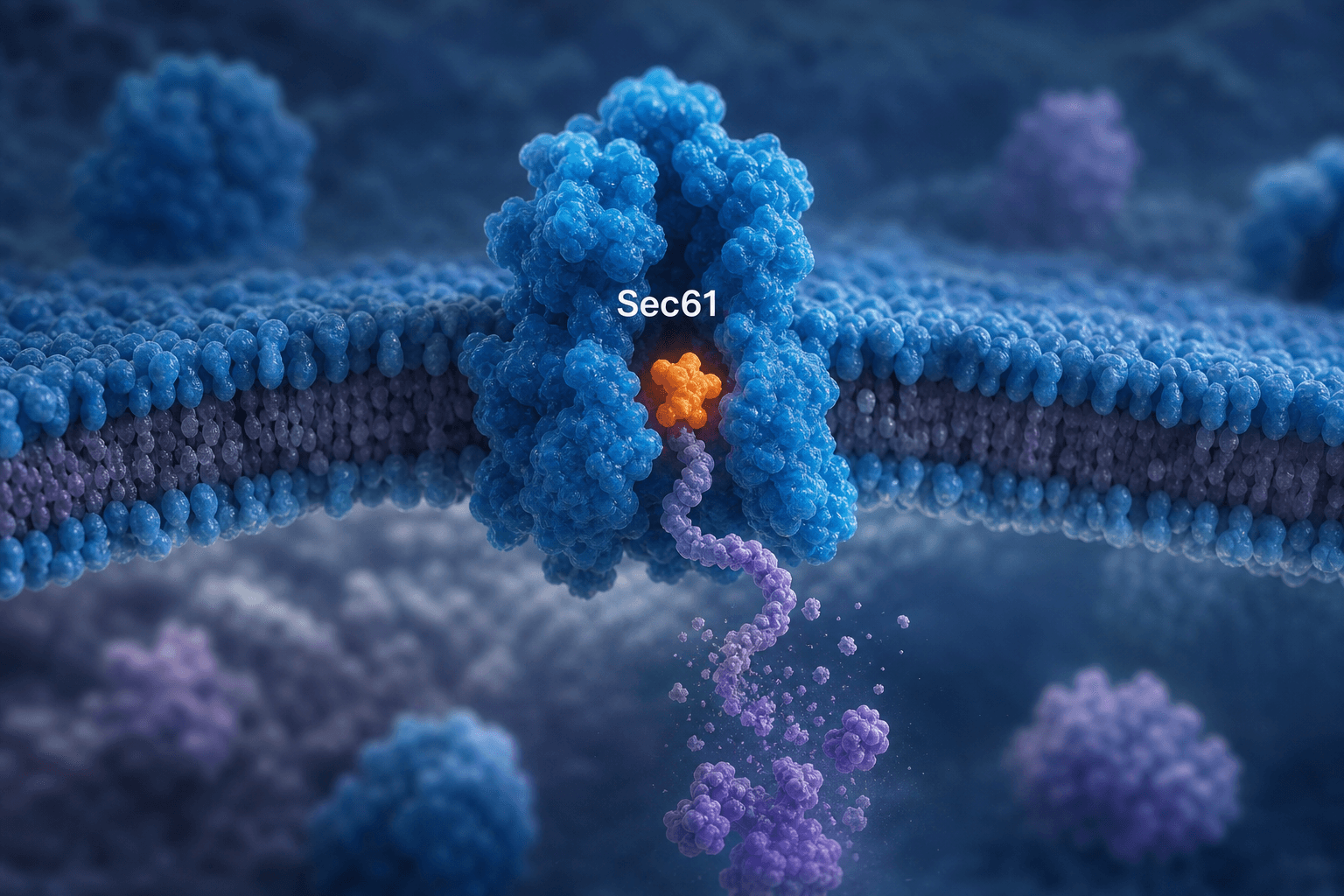
Blocking Disease Proteins With ‘Molecular Gates’ … Gate Bioscience Prepares to Enter the Clinic
Rezolute Meets Phase 3 Goal in Tumor Hyperinsulinism, Shares Rise Ahead of FDA Meeting

Regeneron’s POTS drug succeeds in Phase 2; Phase 3 to begin in first half of next year

Egene Receives Approval to Amend Phase 2/3 Trial of Quadrivalent Meningococcal Vaccine
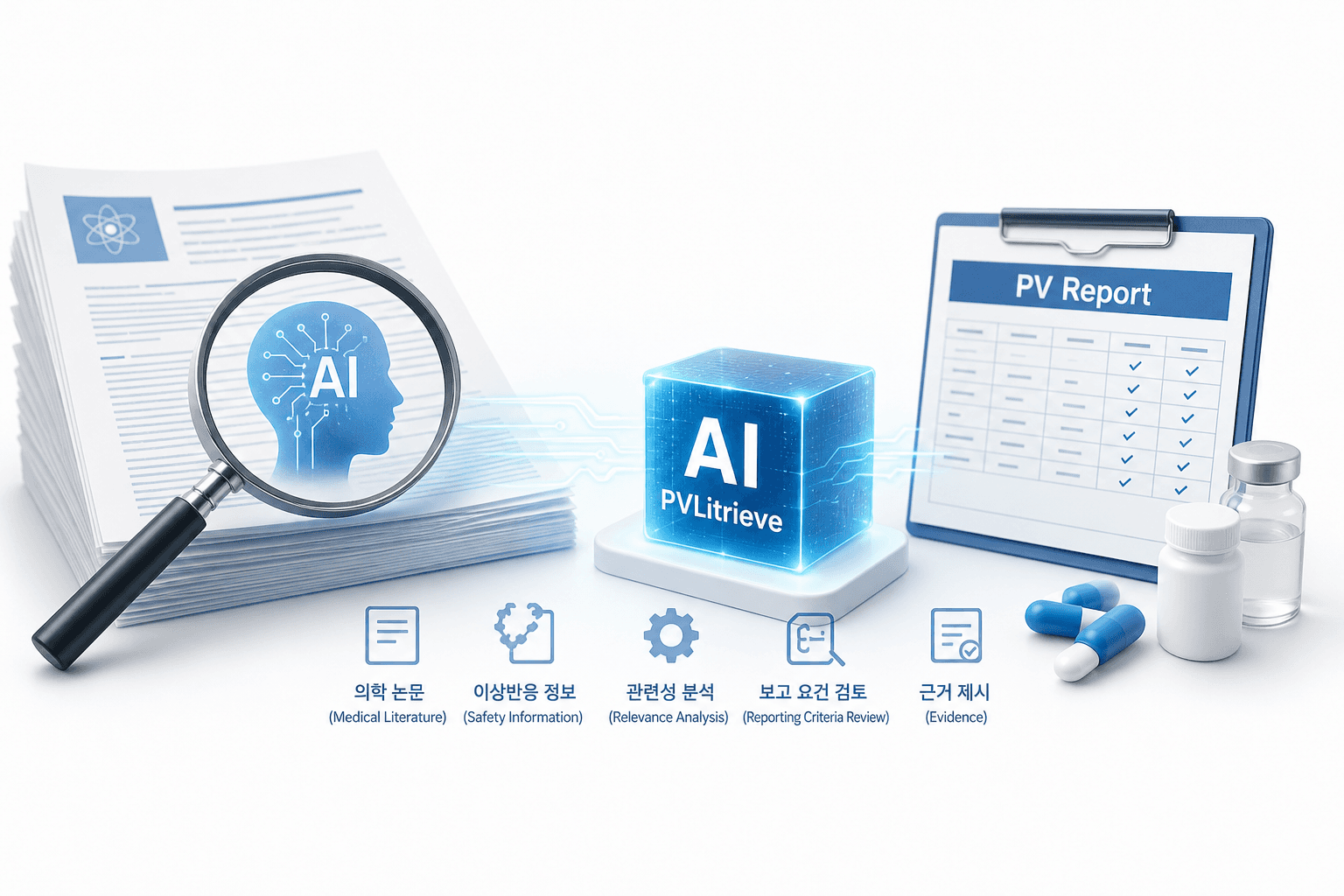
GC Biopharma Develops Korea’s First Generative AI Drug Safety Monitoring Software, Focused on Preventing Missed Cases

Daewoong Pharmaceutical Wins Phase 1 Approval for Drug to Regenerate Intestinal Mucosa: “Beyond Immunosuppression”


