
Science
Stanford researchers map the full serotonin projection network in mice Findings offer a new framework for understanding serotonin dysregulation in depression and anxiety disorders

A new study challenges the prevailing theory that serotonin neurons regulate the entire brain uniformly. The neurons were found to divide into five groups based on function, with each group serving different brain regions.
A team led by Professor Liqun Luo (骆利群) of Stanford University in the United States reported the findings in a paper published on the 10th (local time) in the international journal Cell, BioOn reported on the 15th.
The researchers systematically mapped the serotonin projection network in mice using viral genetic tracing, whole-brain imaging, spatial transcriptomics and experiments that selectively removed serotonin function in specific projection targets.
The results showed that serotonin neurons were organized into five projection groups according to functional associations, rather than the physical distances between target regions. Each group preferentially innervated the hippocampus, basal ganglia, cortex, medial diencephalon, or brainstem and lateral thalamus.
Within each projection group, distinct subpopulations coexisted with continuously varying gradients. Spatial transcriptomic analysis found that each group corresponded to a unique combination of transcriptomic clusters.
The researchers said that combining the transcriptomic characteristics and cell-body locations of individual neurons could predict their projection identity. This means that molecular identity and anatomical projections have a complex but predictable relationship, rather than a simple one-to-one correspondence.
In functional experiments, selectively removing serotonin from specific projections produced distinct behavioral phenotypes. Based on this finding, the researchers concluded that each projection group serves different behavioral functions.
The researchers said the findings redefine the serotonin system from a “broad neuromodulatory network” as “parallel, distinguishable, function-specific projection circuits.” They said the results offer a new framework for understanding the heterogeneity of serotonin dysregulation in depression, anxiety disorders and obsessive-compulsive disorder.
However, the data are from mice, and the resolution of viral tracing and spatial transcriptomics does not capture all synaptic connections. Further validation is needed to determine whether the human serotonin system has the same five-part structure and whether precise modulation targeting specific projections is possible.
BIOBOOK TEAM
biobookmedia@biobook.co.kr
Novartis’ Cosentyx approved for 11th indication, becoming first treatment for polymyalgia rheumatica

Oral IL-23-targeting psoriasis drug icotrokinra approved in Brazil; one tablet daily

Aribio’s Oral Alzheimer’s Drug Meets Trial Goal in Monotherapy Group, Slowing Progression by 31%

SELLAS Leukemia Vaccine Extends Survival by 9 Months, Meets Phase 3 Endpoint

Korean Drugmakers Race to Develop Obesity Treatments That Preserve Muscle During Weight Loss
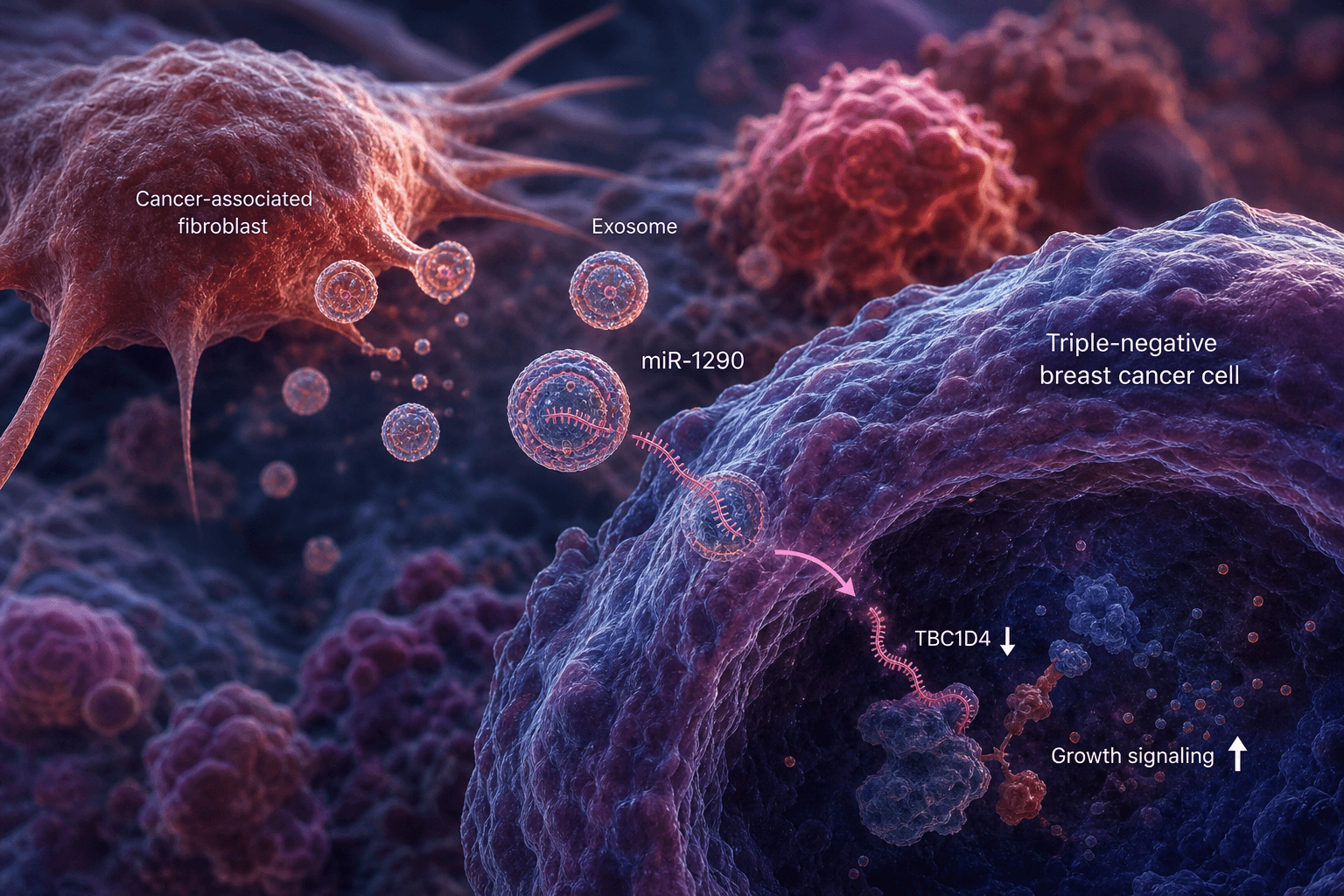
Growth pathway identified in ‘difficult-to-treat’ triple-negative breast cancer, raising potential to repurpose existing drugs


