Science
Ministry of Oceans and Fisheries announces results of marine surveys and research around Dokdo Dokdo shrimp genome decoded, laying groundwork for resource management

A new marine species has been discovered for the first time in the world in waters around Dokdo, and a novel anticancer compound has been granted a U.S. patent.
The Ministry of Oceans and Fisheries said on the 6th that a research team from the Korea Institute of Ocean Science and Technology had discovered a new marine species, a novel anticancer compound and new genomic information on Dokdo shrimp in waters around the island.
To support the sustainable use of Dokdo, the ministry is conducting marine surveys and research on the island and surrounding waters through the Korea Institute of Ocean Science and Technology, a government-funded research institute under its jurisdiction. The work has confirmed that about 1,700 marine species live together in an interconnected ecosystem around Dokdo.
The research team named a new nematode species first discovered in waters around Dokdo “Dokdo gangchi nematode” (Paradraconema gangchii) and published its findings in an international academic journal. Gangchi is the Korean name for a sea lion. The naming is significant because the new species was named after the Dokdo sea lion, now extinct following overhunting during Japanese colonial rule.
Nematodes are small, threadlike or cylindrical animals that resemble earthworms and live in the sea. In benthic ecosystems, they feed on protozoa and bacteria.
The research team also isolated a useful bacterial strain (Actinomadura geliboluensis) from a marine organism collected at Dokdo and identified two new anticancer compounds in an extract from the cultured strain. The compounds showed strong anticancer activity at concentrations far lower than those of the existing anticancer drug Adriamycin and received U.S. patents this year.
The ministry said it expects the compounds to be used in the development of new anticancer drugs.
The research team obtained tissue-specific transcriptome data for three species of Dokdo shrimp — Pandalus hypsinotus, Lebbeus groenlandicus and Sclerocrangon boreas — and decoded the genome of Pandalus hypsinotus, securing key genetic information. The genetic information is scheduled to be registered with the U.S. National Center for Biotechnology Information (NCBI) and other databases.
The ministry plans to use the information for scientific verification of the distinctiveness of Dokdo shrimp, genetic research and resource management.
Seo Jin-hee, director general for international cooperation policy at the Ministry of Oceans and Fisheries, said, “We will continue to uncover the hidden value of Dokdo’s marine life through marine surveys and research. We will work to preserve and manage Dokdo’s healthy marine ecosystem and ensure that this unshakable maritime territory can be passed on to future generations.”
BIOBOOK TEAM
biobookmedia@biobook.co.kr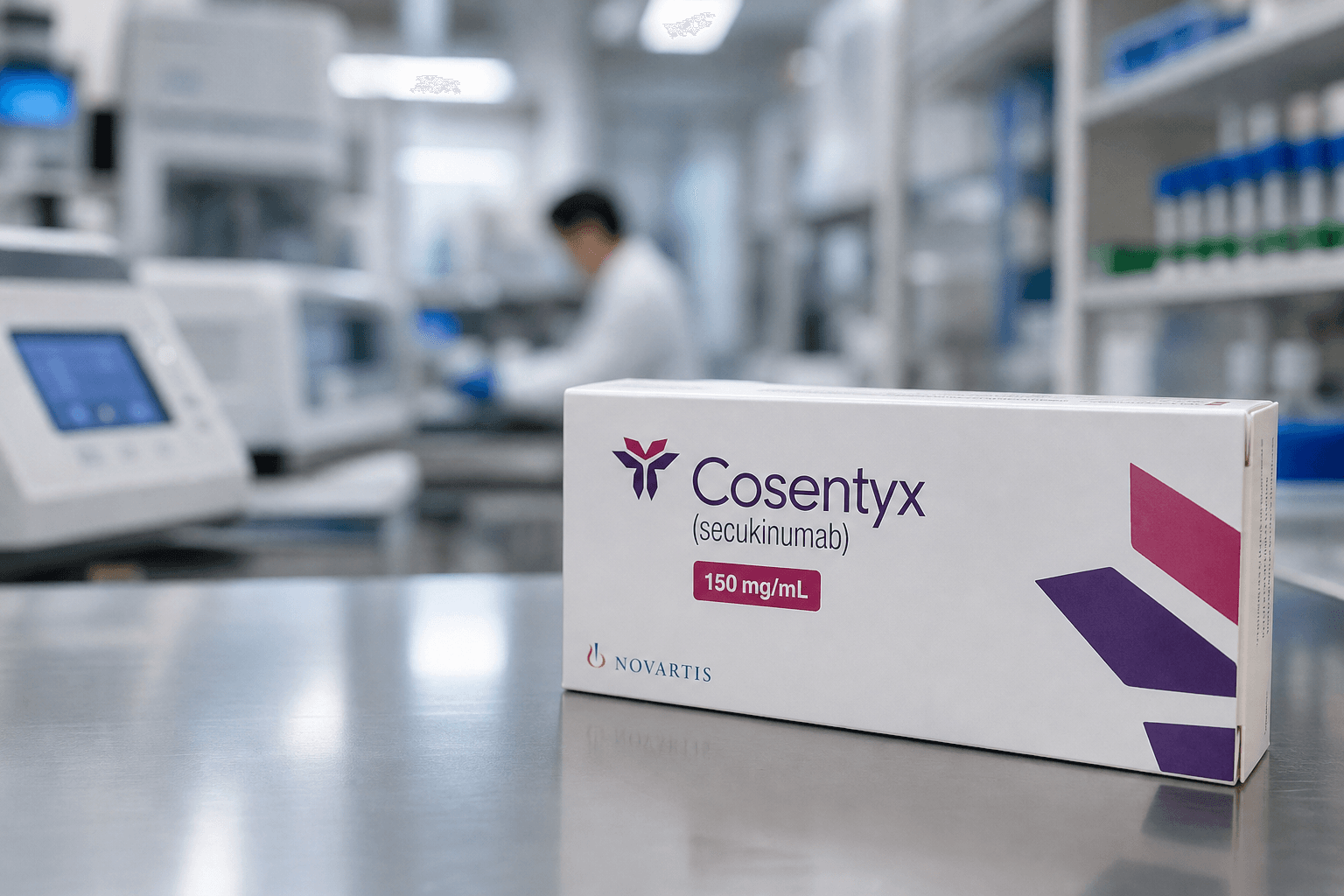
Novartis’ Cosentyx approved for 11th indication, becoming first treatment for polymyalgia rheumatica

Oral IL-23-targeting psoriasis drug icotrokinra approved in Brazil; one tablet daily

Aribio’s Oral Alzheimer’s Drug Meets Trial Goal in Monotherapy Group, Slowing Progression by 31%
SELLAS Leukemia Vaccine Extends Survival by 9 Months, Meets Phase 3 Endpoint

Korean Drugmakers Race to Develop Obesity Treatments That Preserve Muscle During Weight Loss
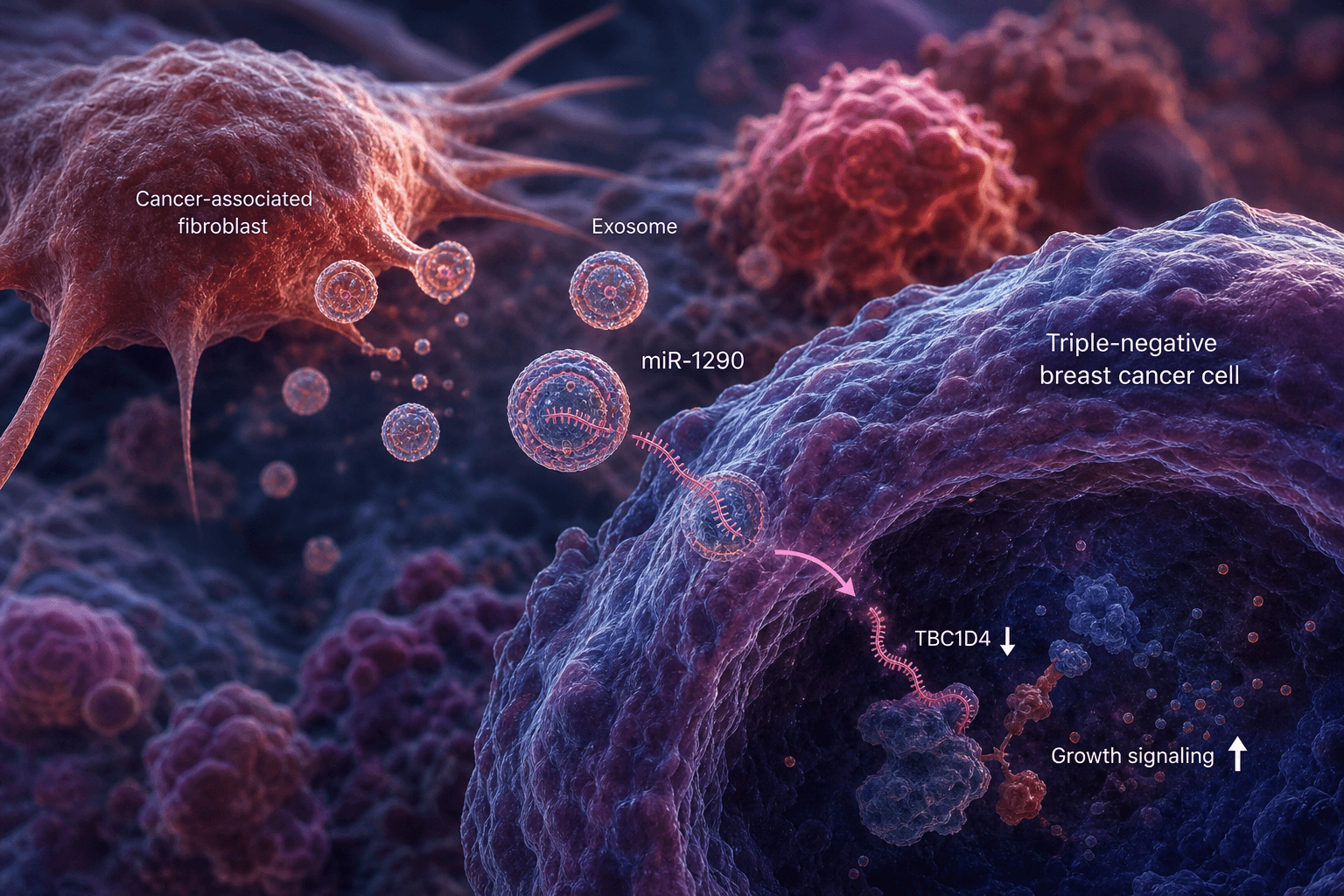
Growth pathway identified in ‘difficult-to-treat’ triple-negative breast cancer, raising potential to repurpose existing drugs