
Market
Seeking new uses for Alzheimer’s treatment XPro QCi secures first commercial customer in the pharmaceutical and biotech market

INmune Bio and Quantum Computing Inc. (QCi) will work together to identify new indications for the Alzheimer’s drug XPro using quantum computing and artificial intelligence (AI).
According to Azure Life Sciences on the 15th (local time), the companies announced a collaboration that day to identify new potential uses for XPro.
The collaboration will combine data accumulated by INmune Bio through preclinical research and four clinical trials, along with its understanding of disease biology, with QCi’s Dirac-3S quantum optimization system.
The companies plan to use quantum computing, AI and conventional data analysis techniques together to analyze clinical data and publicly available biomedical datasets, identify diseases that share the biological mechanisms targeted by XPro, and prioritize indications with the greatest likelihood of success.
This first-phase agreement marks QCi’s first commercial customer in the pharmaceutical and biotech market. The agreement also includes an option for additional work as INmune Bio’s clinical development progresses.
David Moss, CEO of INmune Bio, said, “This collaboration will allow us to analyze large datasets and examine patient populations and biomarkers that may be more likely to predict treatment response.”
“We’ll start with rare diseases, where clinical trials are small and capital-efficient,” he added. “If we receive approval for a pediatric indication, we could also secure a priority review voucher (PRV).”
XPro is designed to selectively inhibit soluble tumor necrosis factor (TNF), a protein involved in inflammation, while preserving other TNF functions that are important to the immune system. INmune Bio is studying the therapeutic effects of this targeted approach in neurologic and rare diseases.
QCi plans to use its Dirac-3S quantum optimization system, AI and conventional analytical techniques to identify patterns and associations across datasets, helping researchers understand treatment response, identify promising patient populations and prioritize new indications.
Yufing Huang, chairman and CEO of QCi, said, “This is a good example of what practical quantum computing can look like today. INmune Bio has complex scientific questions and extensive clinical and biological data.”
“Our role is to bring new computing capabilities to those questions and see what we can learn,” he continued. “The potential to help researchers make better decisions about future treatments is exciting and opens an important new market for QCi.”
An important part of the program will be validating where quantum optimization adds value. The companies plan to compare results from QCi’s quantum optimization system with appropriate conventional statistical and machine learning techniques to assess which approach is best suited to each stage of the analysis.
The work also aims to establish a repeatable discovery process that INmune Bio can reuse with additional datasets and potential disease indications.
For INmune Bio, the collaboration offers a new way to assess XPro’s broader potential and prioritize future development opportunities. For QCi, it is an opportunity to demonstrate that its room-temperature, low-power quantum computing technology can be applied to complex, real-world problems in pharmaceutical research.
Biobook Team
biobookmedia@biobook.co.kr
AstraZeneca’s new myasthenia gravis drug, cligepa, approved simultaneously in U.S. and EU
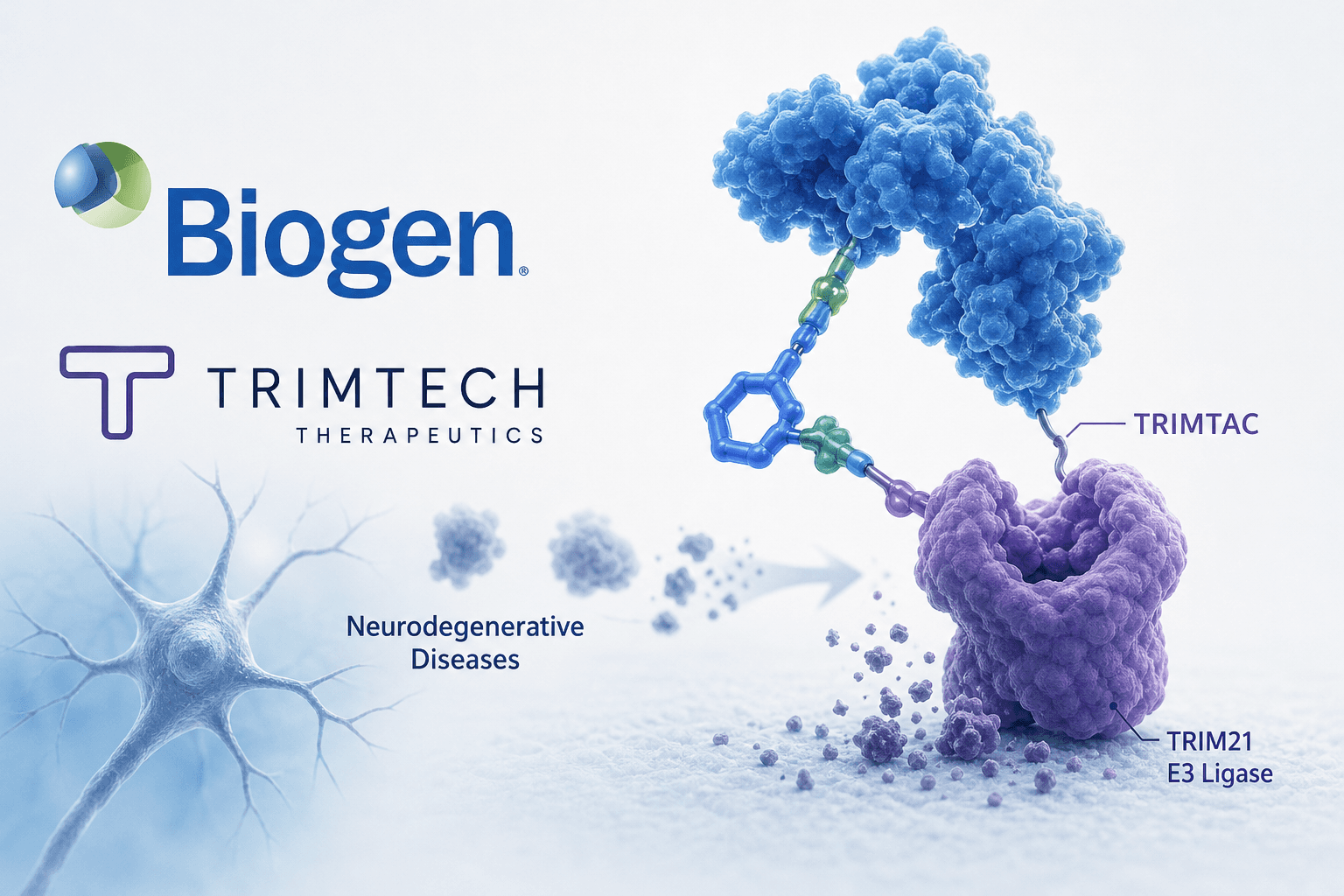
Biogen Invests $411 Million in Neurodegenerative Disease Drug Development
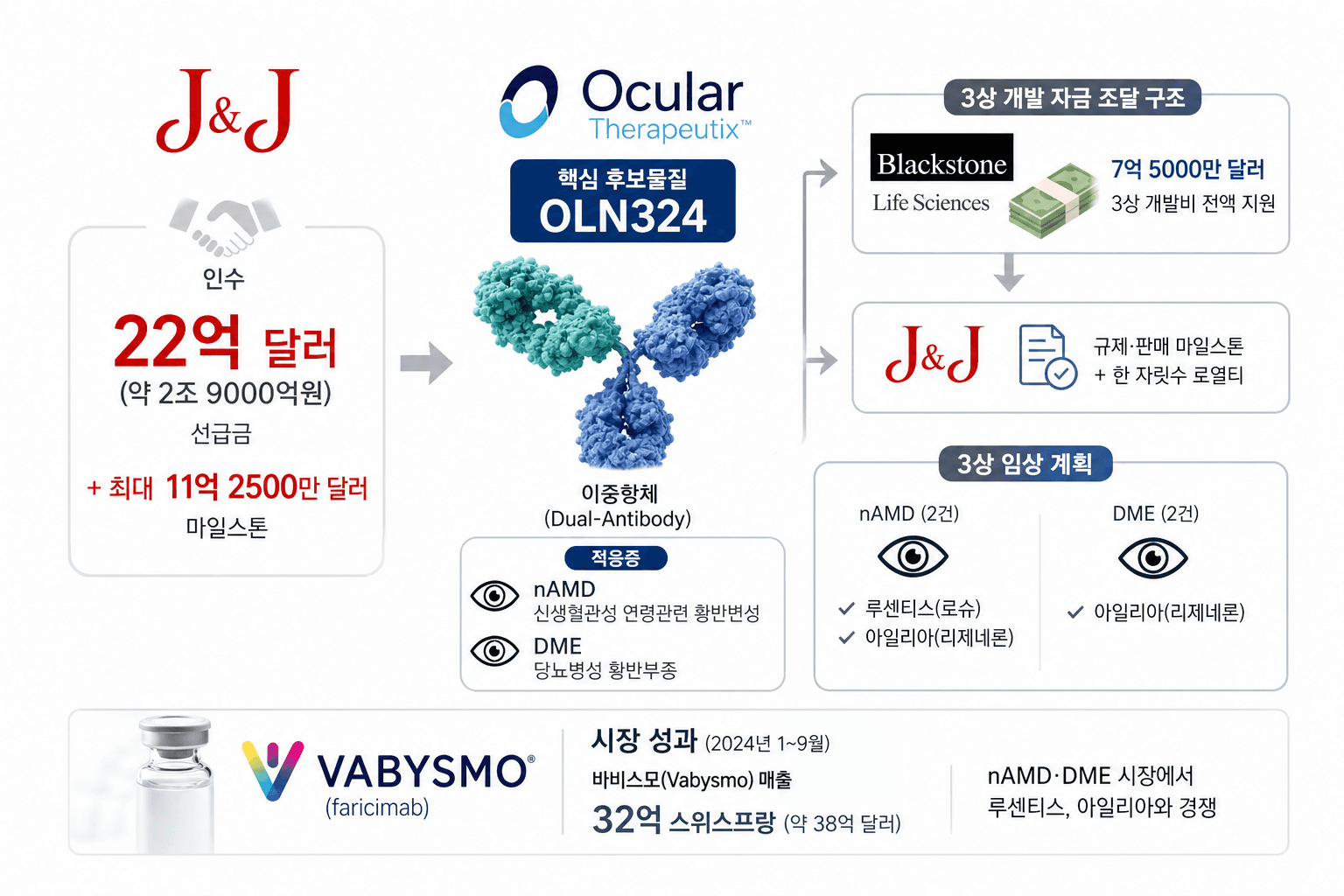
J&J to acquire Olin for $2.9 billion, taking on Roche’s Vabysmo
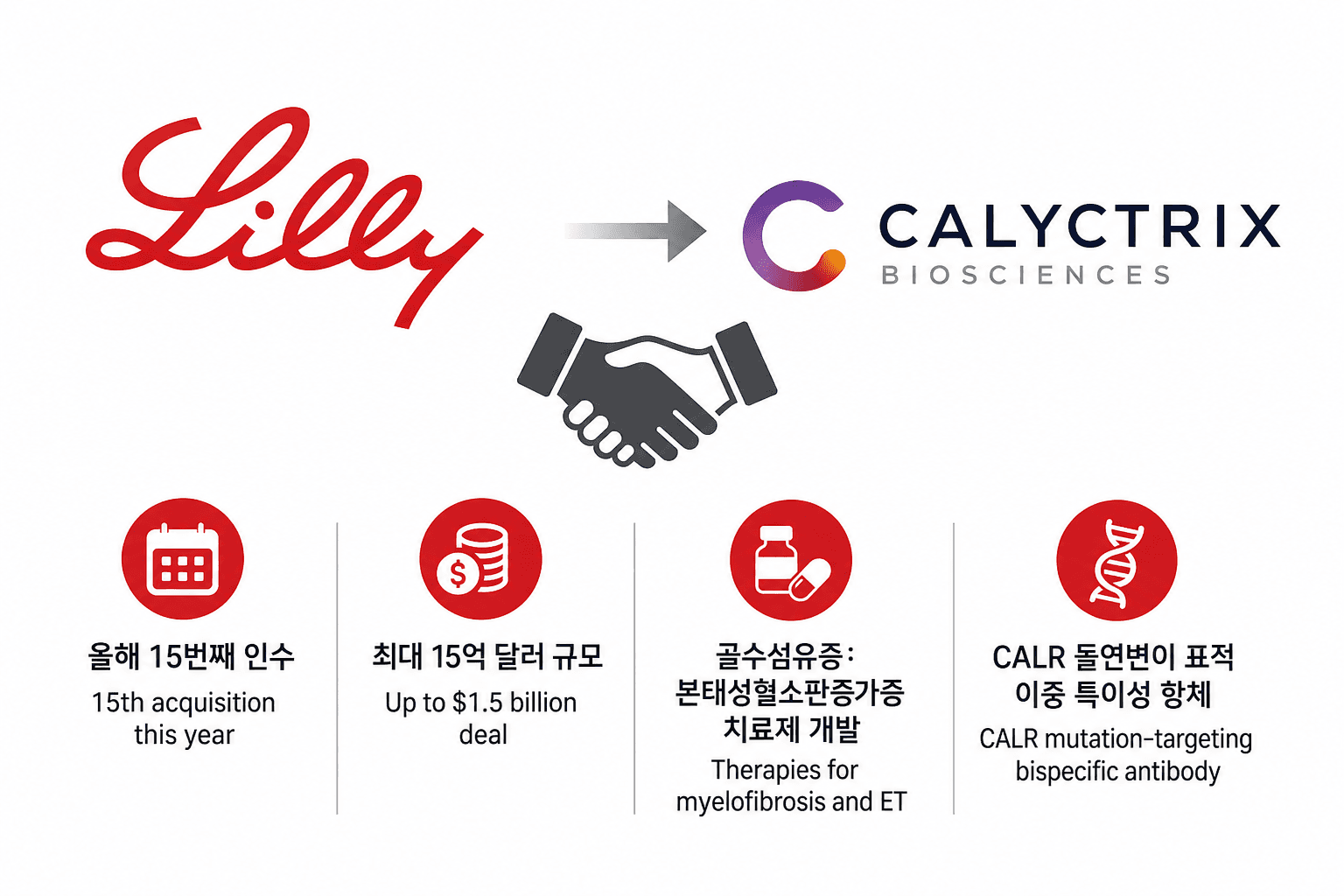
Lilly acquires rare blood cancer drug startup for up to $1.5 billion, its 15th deal this year
Seawolf Secures $100 Million and Signs $1.2 Billion DNA Therapeutics Deal With Sanofi

ROKIT Healthcare to Acquire Insolvent Rehabilitation Company for 7 Billion Won, Betting on a Platform


