
Policy & Regulation
Agencies sign MOU to strengthen cooperation from technology development to exports and supply chains

The Ministry of Trade, Industry and Energy and the Ministry of Food and Drug Safety have established a full-cycle cooperation framework to advance the artificial intelligence (AI) transformation of the biotech industry and strengthen its global competitiveness.
The two agencies said they signed a memorandum of understanding on “AI transformation of the biotech industry and strengthening global competitiveness” on the 14th at the Chuncheon Bioindustry Foundation in Gangwon Province.
Under the agreement, the Ministry of Trade, Industry and Energy, which is responsible for fostering the biotech industry, and the Ministry of Food and Drug Safety, which oversees drug and medical device regulation, will cooperate on an ongoing basis from development and manufacturing through quality control and exports.
The agencies agreed to work together on developing and demonstrating AI convergence technologies in the biotech sector and bringing them to market, as well as establishing validation criteria and guidelines for new AI technologies.
They will also jointly pursue the development and commercialization of domestically produced biotech materials, components and equipment; export support through sharing overseas regulatory information; and supply chain stabilization, including for key health care products.
Minister of Trade, Industry and Energy Kim Jeong-gwan said, “Biotech and medical device technologies must pass through many stages before reaching the market, including performance validation, regulatory approval and securing sales channels. The Ministry of Trade, Industry and Energy and the Ministry of Food and Drug Safety need to work as one team.”
He added, “We will work together to accelerate the AI transformation of the biotech industry and deliver tangible results, from technology development through exports.”
MFDS Commissioner Oh Yu-kyoung emphasized, “For excellent technologies to be adopted quickly in the field, regulatory review and the establishment of an institutional foundation must proceed alongside development from the earliest stages.”
She added, “Drawing on the regulatory diplomacy expertise we have built up, we will actively support Korean companies in bringing innovative products to market quickly.”
The agencies plan to use a director-general-level consultative body to continue identifying joint projects and other areas of cooperation, including joint research and development (R&D) projects in areas such as M.AX Bio and biotech materials, components and equipment, and to review progress.
BIOBOOK TEAM
biobookmedia@biobook.co.kr
South Jeolla-Gwangju Moves to Create Nation’s First Ordinance Supporting Obesity Drug Costs
MFDS to Use AI for Vaccine Release and Process Validation, Shifting From Post-Production Testing to Real-Time Prediction
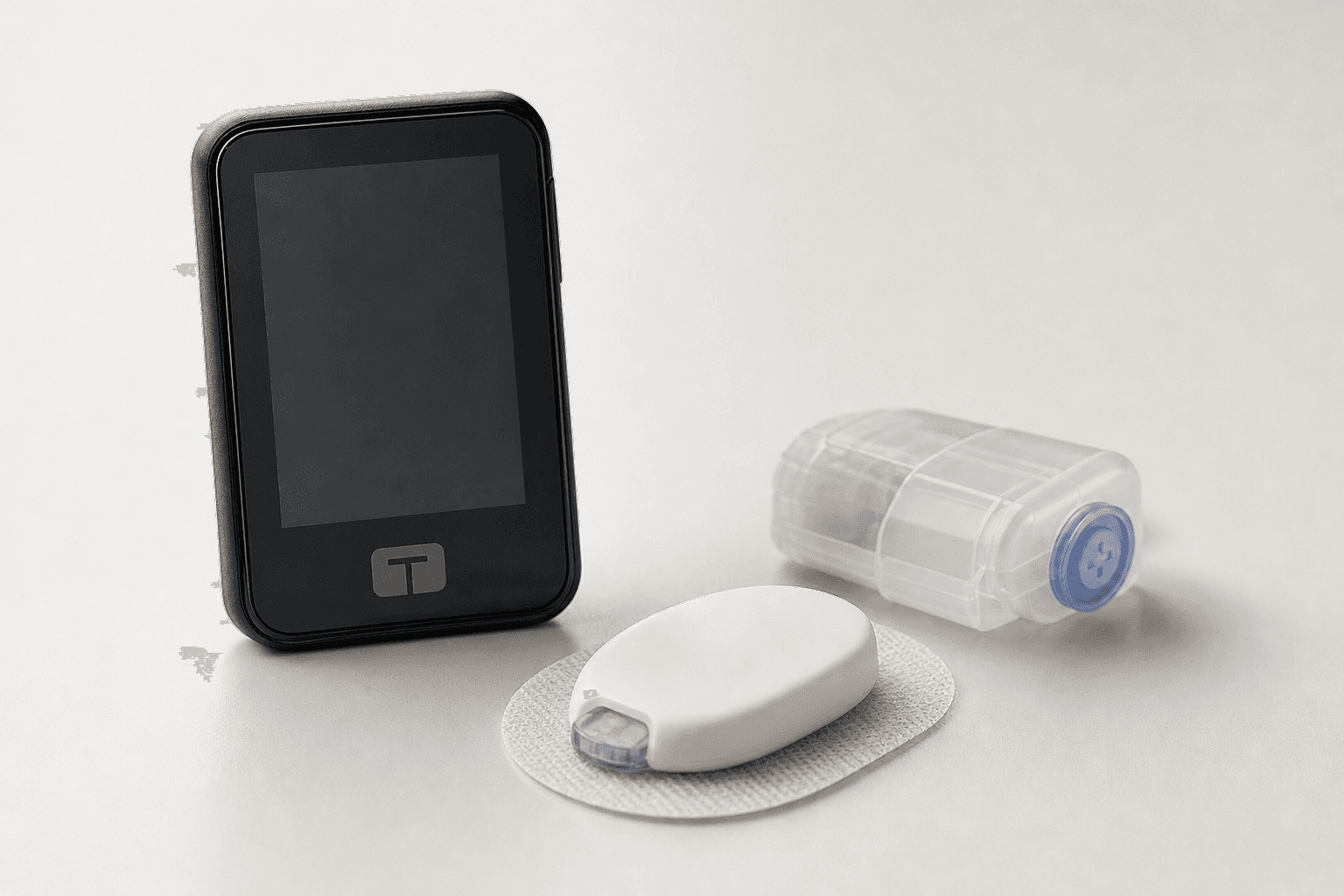
Tandem’s tubeless insulin pump wins FDA approval, with wear time of up to 7 days
‘Speed Race’ for Innovative Medical Devices Stalls at Health Insurance Reimbursement Hurdle
The ‘Valley of Death’ for Infectious Disease Treatments: Cross-Agency Coordination Is Key
Mounjaro Costs 59,000 Won in Japan, 300,000 Won in Korea, Sparking Price Debate


