
Market
Conversion price for 43rd private CB raised from 35,866 won to 42,710 won Potential shares reduced by 110,000…billions of won in outstanding bonds remain a challenge

HLB has eased potential share dilution pressure by raising the conversion price of a private convertible bond (CB) in response to a rebound in its stock price.
HLB said in a disclosure on the 15th that it raised the conversion price of its 43rd series of privately placed, unsecured, unguaranteed bearer CBs from 35,866 won to 42,710 won. As a result, the number of shares that could be issued upon conversion of the 25 billion won in outstanding bonds fell by 111,695, from 697,038 to 585,343.
The adjustment was automatically applied under terms specified at issuance after the arithmetic average of the weighted average share prices for the one-month, one-week and most recent periods, measured from the day before the adjustment date in the three-month cycle, exceeded the previous conversion price.
The 43rd series of private CBs was issued after a board resolution on April 7, with payment of the 25 billion won completed on April 15. The initial conversion price was 51,237 won per share, but the stock price plunged in July amid delays in U.S. Food and Drug Administration (FDA) approval of a first-line liver cancer treatment, prompting a one-time reduction on July 15 to the floor of 35,866 won.
The stock price subsequently rebounded after the September U.S. approval of Ripektu, a treatment for bile duct cancer, and the resubmission early this month of a new drug application (NDA) to the FDA for the combination of rivoceranib and camrelizumab. As a result, the conversion price was raised again three months later.
Conversion price adjustments at biotech companies have typically been used during periods of falling share prices to lower the conversion price and prevent bondholders from exercising their early redemption rights, or put options. But this increases the potential number of shares entering the market, erodes the value of existing shareholders’ stakes and creates an overhang—a large volume of shares awaiting sale—that can weigh on the stock whenever its price rises.
This upward reset reflects a safeguard introduced when financial regulators overhauled the mezzanine market in late 2021, requiring conversion prices to rise along with share prices. For HLB, the number of new shares that could be issued upon conversion has fallen by more than 110,000, allowing the company to contain dilution risk to some extent.
However, analysts say it is too early to conclude that the adjustment signals a complete turnaround in biotech companies’ fundamentals. The conversion exercise period for the 43rd series CB runs from April 15, 2027, through March 15, 2029, leaving more than six months before the overhang could materialize.
The adjusted price of 42,710 won is still below the initial issue price of 51,237 won. The volatile structure also remains in place: If the stock price falls again, the conversion price could drop back to the floor.
A more fundamental challenge is the HLB Group’s reliance on mezzanine financing. Because drug development requires substantial research and development (R&D) investment, HLB has long covered operating cash flow deficits through external capital raising, including paid-in capital increases and private CBs.
The burden of outstanding bonds across the group’s affiliates amounts to hundreds of billions of won, including an additional 30 billion won private CB issued in August as the 44th series. Concerns remain that another delay in clinical development or drug approval could coincide with a falling share price and trigger large-scale put option exercises by investors.
For this upward reset to translate into genuine shareholder value creation, it will need to be backed by tangible commercialization results from the drug pipeline. On the 9th, HLB completed a resubmission to the FDA for rivoceranib through its U.S. subsidiary Elevar and partner Hengrui Medicine. The group plans to present its medium- to long-term growth strategy at a companywide investor briefing on the afternoon of the 15th.
Whether convertible bond investors can be encouraged to convert their bonds into shares will depend on the final approval of the resubmitted liver cancer drug and the pace at which it generates commercial revenue.
BIOBOOK TEAM
biobookmedia@biobook.co.kr
Lotte Biologics Wins First Large-Scale Commercial Manufacturing Contract, Establishing Revenue Base
AstraZeneca’s new myasthenia gravis drug, cligepa, approved simultaneously in U.S. and EU
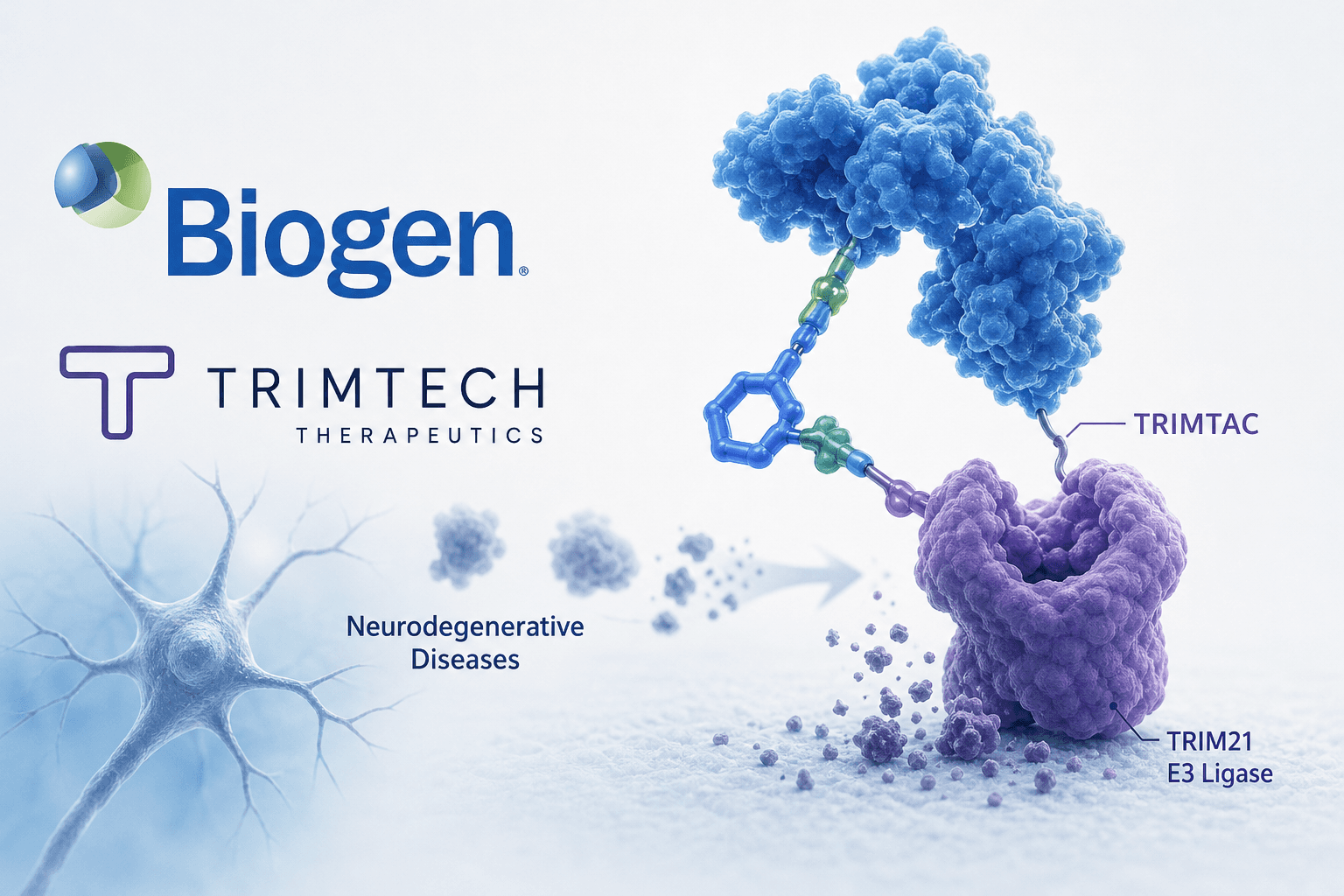
Biogen Invests $411 Million in Neurodegenerative Disease Drug Development
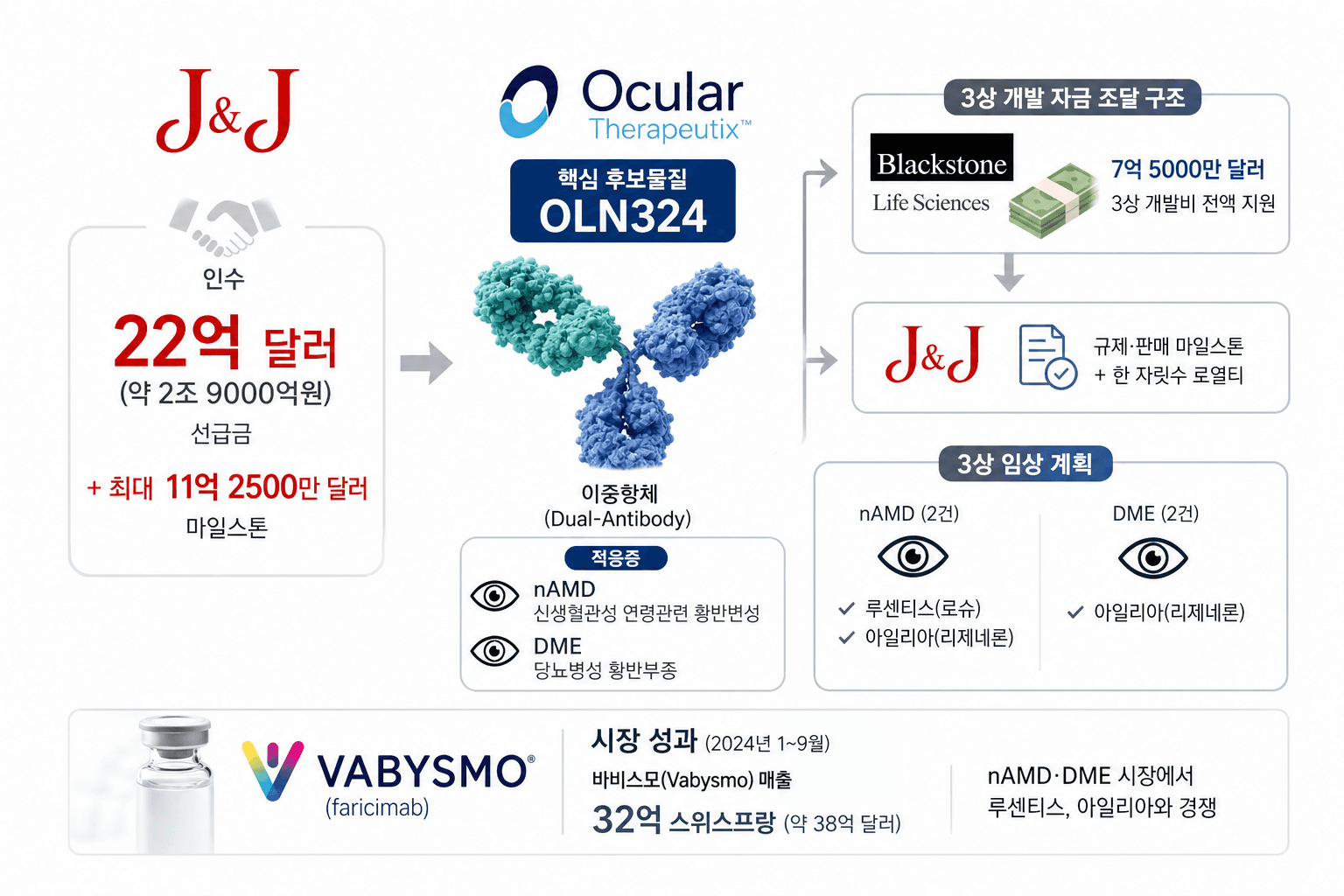
J&J to acquire Olin for $2.9 billion, taking on Roche’s Vabysmo
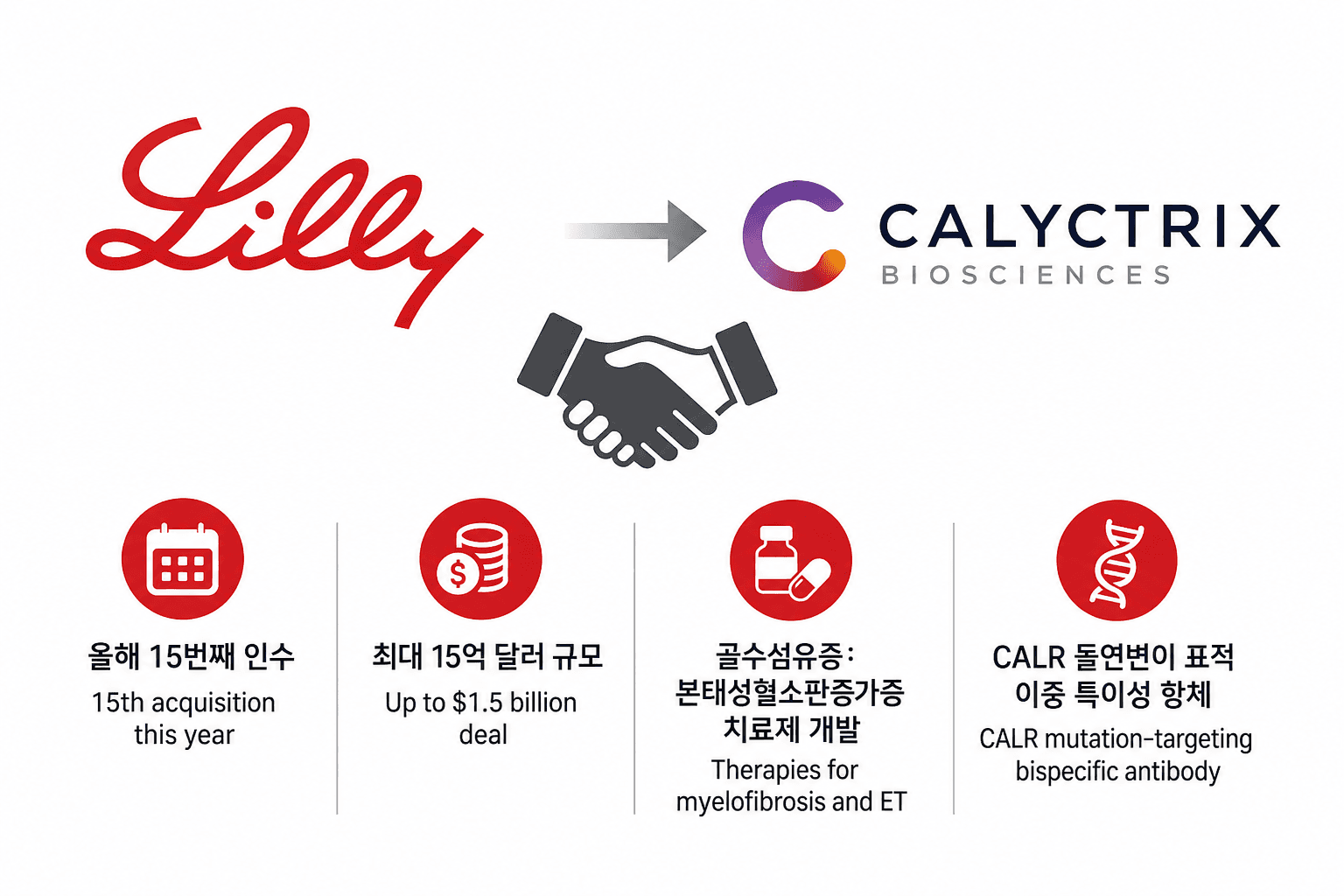
Lilly acquires rare blood cancer drug startup for up to $1.5 billion, its 15th deal this year

Seawolf Secures $100 Million and Signs $1.2 Billion DNA Therapeutics Deal With Sanofi


