
Science
Safety confirmed, but kidney injury prevention figures that drew market attention remain undisclosed Smaller study population raises the bar for statistical significance; results could prove pivotal in licensing talks

Key efficacy data that the market had been watching for were absent from the topline results of AptaBio’s Phase 2 trial of a candidate treatment for contrast-induced acute kidney injury (CI-AKI).
On the 14th, AptaBio said in a regulatory filing that it had received topline data from the global Phase 2 trial of APX-115. The trial was conducted at 14 medical centers in South Korea and the United States as a multicenter, randomized, double-blind study comparing five days of oral treatment with placebo in patients undergoing percutaneous coronary intervention (PCI).
The primary endpoint—adverse events, electrocardiograms, and blood and urine tests over 12 weeks—showed good tolerability, with no significant difference from placebo. No safety issues emerged even among high-risk patients with severe renal impairment, defined as an estimated glomerular filtration rate (eGFR) of 45mL/min/1.73㎡ or less.
However, the efficacy figures that investors and the pharmaceutical industry typically focus on most in Phase 2 topline disclosures were not included in this announcement. Although this was not a regulatory deficiency because safety was designated as the primary endpoint in the trial design, the key question the market had been waiting to answer was how much actual kidney injury the drug prevented.
Contrast agents can damage tubular cells and constrict blood vessels as they are eliminated from the body, increasing the risk of acute kidney failure. No approved drugs currently prevent this injury or directly treat it, so care relies on conservative measures such as intravenous saline and minimizing the amount of contrast agent administered.
APX-115’s commercial value depends on kidney function preservation measures set as secondary endpoints, including differences in the incidence of acute kidney injury between the treatment and placebo groups, changes in serum creatinine levels, and the rate of glomerular filtration rate preservation. The company has emphasized that its Pan-NOX mechanism broadly inhibits NADPH oxidases, which drive excessive production of reactive oxygen species (ROS), thereby reducing oxidative stress and inflammation in kidney tissue.
Changes during the trial are another reason to scrutinize the efficacy data closely. AptaBio applied to the Ministry of Food and Drug Safety on Feb. 6, 2026, and the U.S. Food and Drug Administration (FDA) on March 13, 2026, for approval to amend the trial protocol, adjusting the number of participants. The study was reduced from an initial 280 randomized participants, including 200 undergoing the procedure, to 230 randomized participants, including 160 evaluable participants.
Although this was a strategic choice intended to accelerate the trial, the general view in clinical statistics is that a smaller study population can make it relatively more difficult to achieve statistical significance (p-value) on secondary endpoints.
The company said it would present some efficacy data from the Phase 2 trial orally at the Late-Breaking Oral Session of ASN 2026. It set the target date for receiving the final clinical study report (CSR) as the first half of 2027.
The strength of the efficacy data will be pivotal to the success of AptaBio’s planned global licensing negotiations. The company is considering licensing the same compound’s ongoing Phase 2b trial in diabetic kidney disease (DKD) together with its contrast-induced acute kidney injury program to a large pharmaceutical company as a “package deal.”
Because both indications share a common link to chronic or acute kidney disease, clear numerical evidence of an acute injury prevention benefit will be needed to maximize the negotiating leverage of the entire package. The industry is watching to see whether APX-115, having cleared the safety hurdle, can present secondary efficacy figures at the conference that are compelling enough to persuade global pharmaceutical companies.
BIOBOOK TEAM
biobookmedia@biobook.co.kr
Samjin Pharmaceutical’s Alzheimer’s Drug AR1001 Meets Primary Endpoint in Phase 3 Trial
D&D Pharmatech Reports 50% Improvement in Liver Fibrosis, Potentially Shifting the MASH Landscape
CG Oncology’s Immunotherapy Cuts Bladder Cancer Recurrence Risk by 68%; FDA Filing to Expand
CG Oncology Bladder Cancer Drug Cuts Recurrence Risk 68%: “Exceeded Expectations”
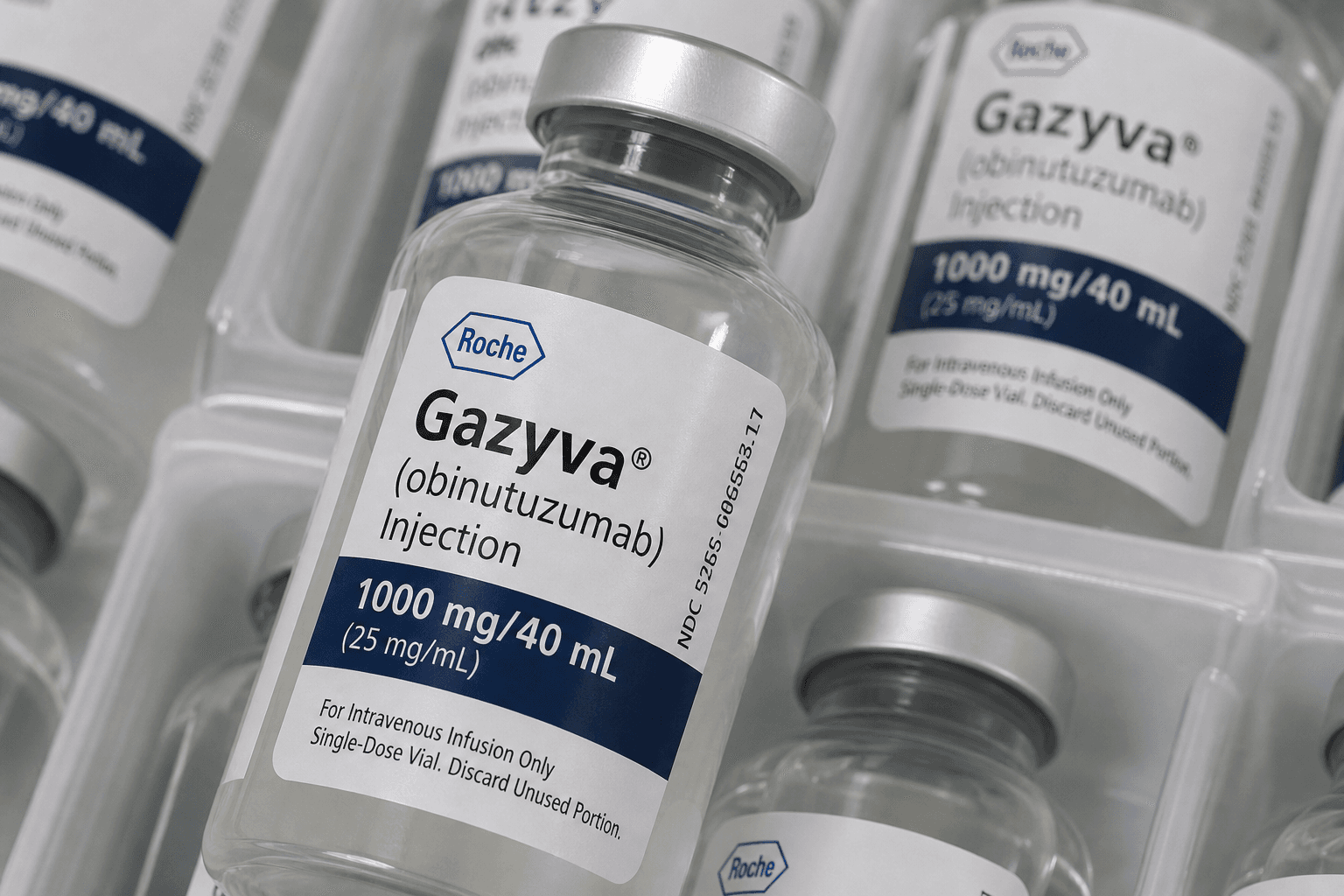
Roche’s Gazyva Wins First FDA Approval for Primary Membranous Nephropathy

Helus’ ‘Chemically Modified Psychedelic’ Meets Phase 3 Goal in Depression … ‘Competitive With Antipsychotics’


