
Market
Calcium-based filler Facetem receives Taiwan product approval Path secured to build clinical references in Greater China

Sijibio has received medical device product approval from Taiwan’s Food and Drug Administration (TFDA) for Facetem, a calcium hydroxyapatite (CaHA)-based filler.
Sijibio announced the approval on the 13th, saying it had established a foothold for future expansion into mainland China.
Taiwan is considered a leading test bed because it shares skin anatomy characteristics with consumers in Greater China and Asian patients while rapidly adopting international regulatory standards.
Sijibio is targeting both Taiwan and mainland China through a 2024 licensing agreement with Hong Kong-based HTDK Holdings.
China’s medical device market is known for the National Medical Products Administration’s (NMPA) demanding clinical evaluations, lengthy approval cycles and high barriers to entry.
In particular, calcium-based fillers that stimulate biological activity are rarely approved in a Chinese market dominated by hyaluronic acid (HA) products, making clinical data and physician proficiency key to early adoption.
The Taiwan approval opens a channel to build clinical references in Greater China through the network of more than 500 local medical institutions held by Index International, HTDK’s distribution partner in Taiwan.
Alongside its Taiwan launch, Sijibio has made training for local physicians and academic programs key priorities.
The company plans to train Taiwanese physicians on Facetem’s patented lattice porous framework (LPF) structure and the approved protocol for replenishing deep dermal and subcutaneous soft tissue, with the aim of reducing trial and error during clinical work in mainland China.
Commercially, Sijibio has set a target of more than 5 billion won in cumulative supply revenue in Taiwan over the next three years.
Taiwan’s filler market is growing by about 12% annually, but its global absolute size is estimated at $41.8 million (about 5.6 billion won) as of 2025.
Accordingly, the 5 billion won supply revenue target in Taiwan is primarily intended to bridge the cash flow gap before entry into mainland China and validate the execution capabilities of its local distribution partnership.
Calcium-based fillers require physicians to have advanced skills, including precision in treatment areas and nodule management, making repeat prescription rates more important than simply increasing supply volumes.
A key question going forward is whether Facetem’s real-world prescription data and adverse event management across 500 partner hospitals in Taiwan will create synergies in the NMPA approval process in China.
The long-term profitability of Sijibio’s Greater China business is expected to depend on whether the ongoing local clinical trials and regulatory procedures with HTDK in China succeed, and whether the academic marketing model developed in Taiwan can be replicated across major hospitals and clinics in China.
BIOBOOK TEAM
biobookmedia@biobook.co.kr
Lotte Biologics Wins First Large-Scale Commercial Manufacturing Contract, Establishing Revenue Base
AstraZeneca’s new myasthenia gravis drug, cligepa, approved simultaneously in U.S. and EU
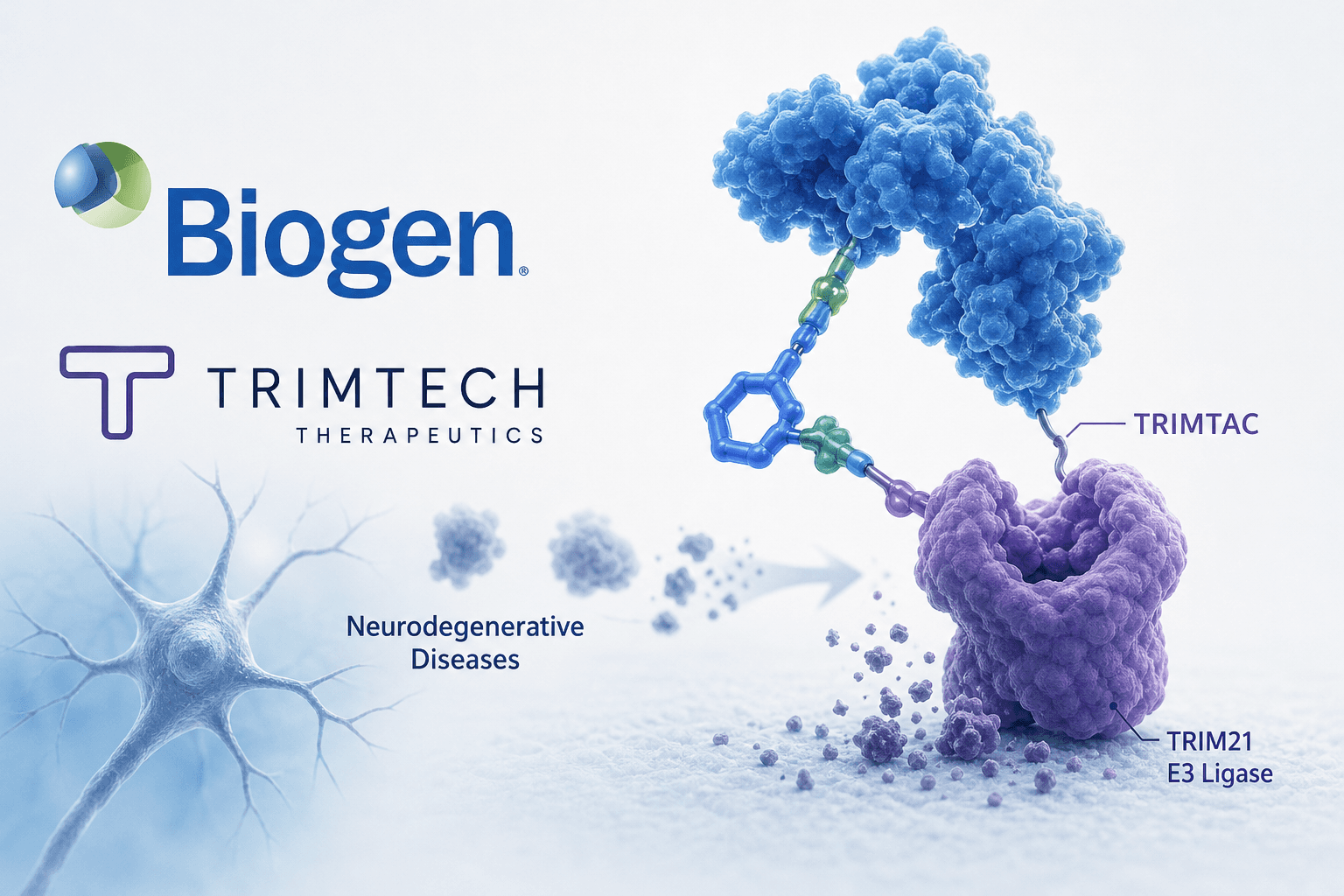
Biogen Invests $411 Million in Neurodegenerative Disease Drug Development
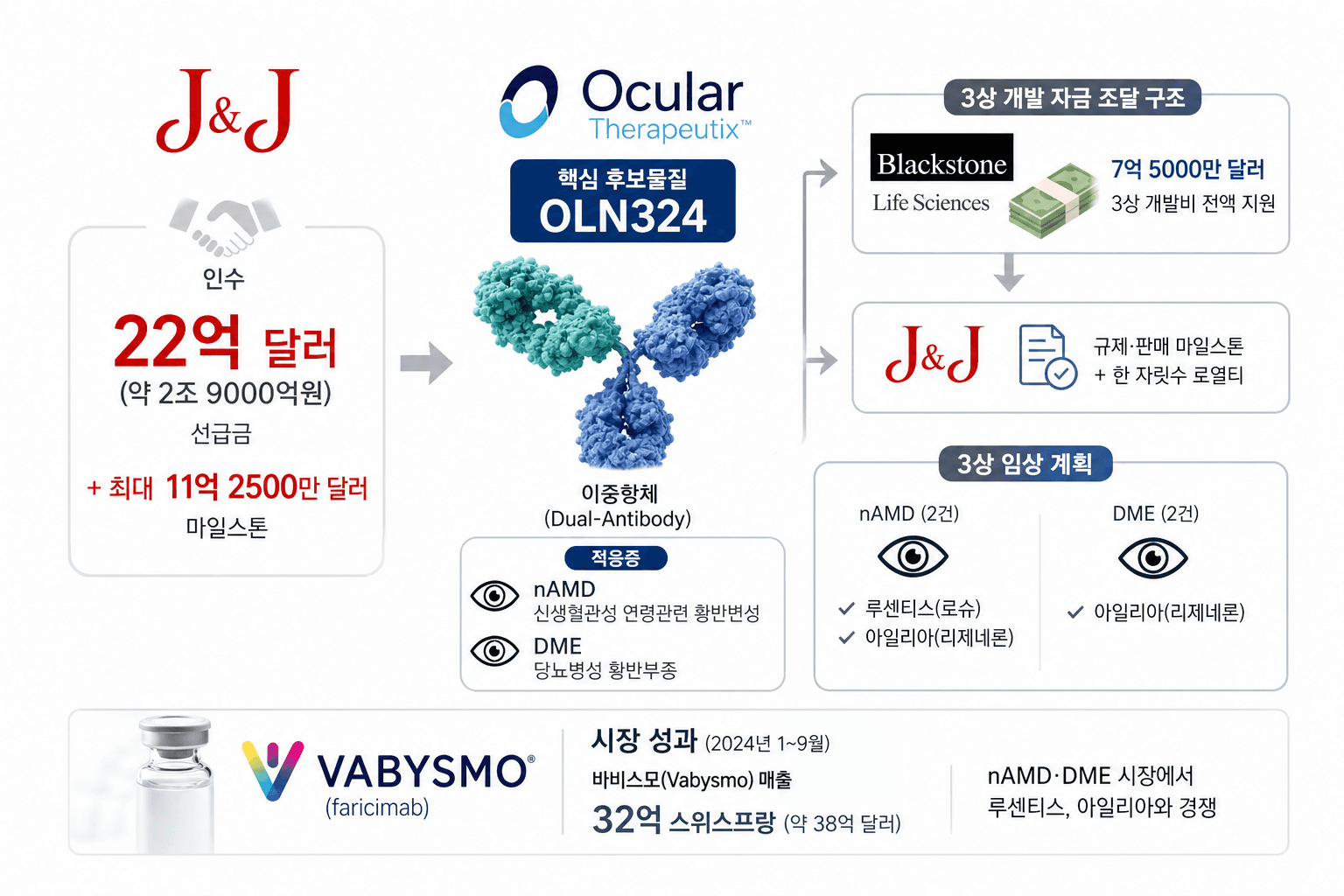
J&J to acquire Olin for $2.9 billion, taking on Roche’s Vabysmo
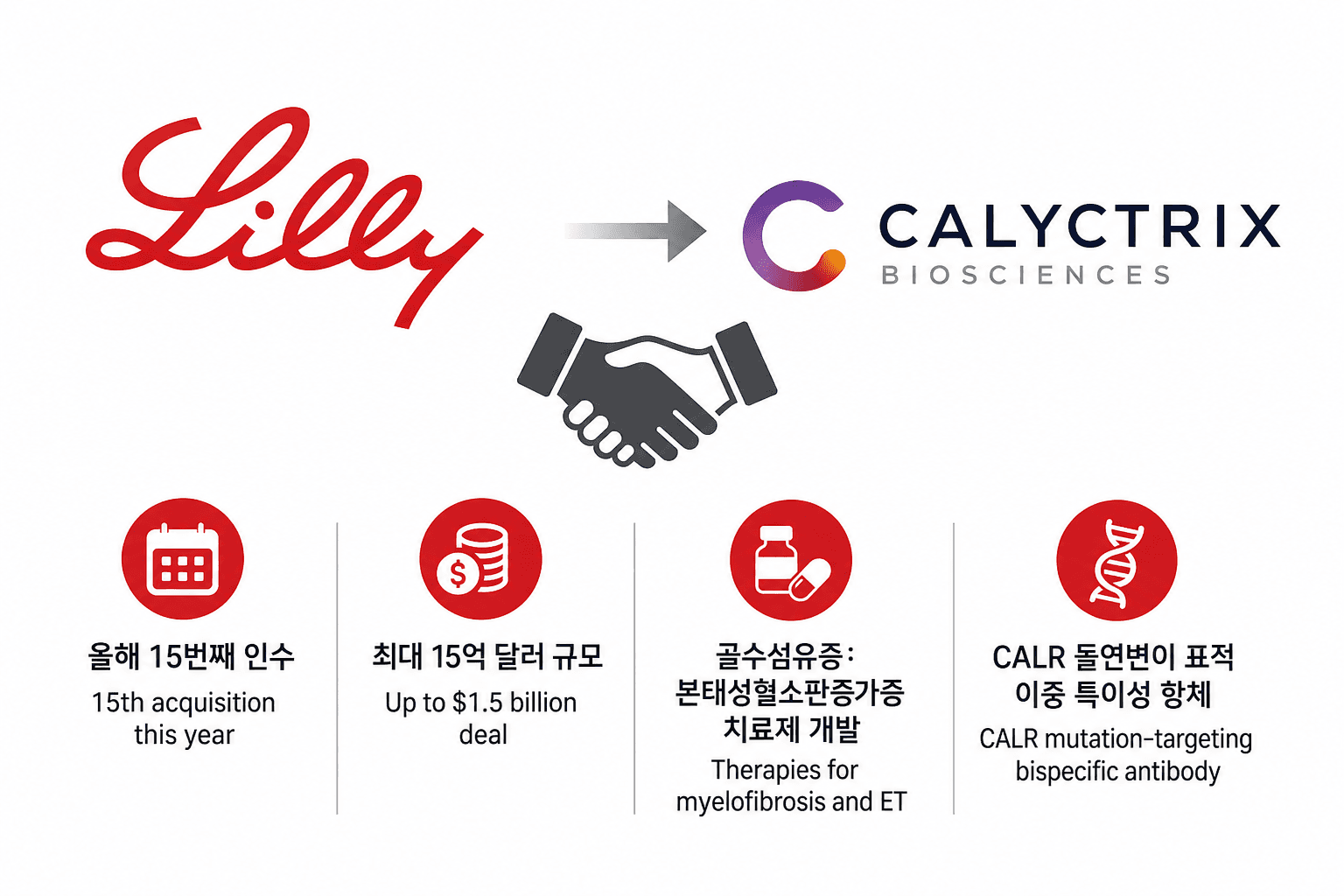
Lilly acquires rare blood cancer drug startup for up to $1.5 billion, its 15th deal this year

Seawolf Secures $100 Million and Signs $1.2 Billion DNA Therapeutics Deal With Sanofi


