
Market
Lunit SCOPE generated about 2.9 billion won in first-half revenue, insufficient to eliminate losses Most partnerships remain at the early research or contract-services stage, with commercialization years away

Medical artificial intelligence (AI) company Lunit has been showcasing its technology through a series of global collaborations and academic presentations, but actual revenue from its AI pathology business accounted for just 6% of total revenue.
Lunit said on the 12th that it had entered into a strategic collaboration with U.S. biospecimen and precision medicine company Discovery Life Sciences. Under the agreement, Discovery will use Lunit’s AI biomarker platform, Lunit SCOPE, for biomarker and tissue analyses commissioned by pharmaceutical companies.
On the 14th, Lunit will explain the platform’s utility to local pharmaceutical and biotech researchers at an event hosted by Discovery in South San Francisco, California. The company plans to present five research abstracts on Lunit SCOPE studies related to non-small cell lung cancer and breast cancer at the 2026 European Society for Medical Oncology Congress, to be held in Madrid, Spain, from the 23rd to the 27th of this month.
Despite the collaboration news, precision medicine AI has made only a modest contribution to the company’s finances. Lunit’s consolidated revenue for the first half of 2026 was 45.8 billion won, but revenue from its cancer treatment segment, which includes Lunit SCOPE, was only about 2.9 billion won. That was about 6% of the total.
For full-year 2025, Lunit SCOPE revenue was about 10 billion won out of total revenue of 83.1 billion won. The main driver of top-line growth was revenue from imaging interpretation software as a service (SaaS) provided by Volpara, a breast cancer screening solutions company acquired in 2024 and now known as Lunit International.
Some observers say partnerships with global pharmaceutical companies and clinical trial specimen analysis companies are largely concentrated in one-off analysis services at the early research stage or promotional collaborations. For a biomarker to be adopted as a companion diagnostic (CDx) during drug development and generate recurring revenue, a drug candidate must progress through clinical approval and commercialization, a process that takes several years or more.
Delays in commercialization are adding to the burden amid financial vulnerabilities. Lunit posted an operating loss of 83.1 billion won in 2025 and an operating loss of 29 billion won in the first half of 2026. Research and development expenses, fixed costs and the burden of repaying convertible bonds (CBs) issued during the Volpara acquisition combined to prompt the company to carry out a rights offering of more than 200 billion won this year.
Lunit said that research agreements with global big pharma companies are accumulating and that this is creating a structure in which revenue recognition is concentrated in the second half of the year. The company said it aims to reach break-even on an earnings-before-interest, taxes, depreciation and amortization basis as soon as possible through cost controls.
However, some analysts say that the drug market’s high clinical development failure rate means service revenue could be interrupted by changes in pharmaceutical customers’ pipelines. Whether Lunit SCOPE can transition to direct product sales or stable, long-term subscription contracts and narrow its losses is seen as a key issue that will shape market confidence going forward.
Biobook Team
biobookmedia@biobook.co.kr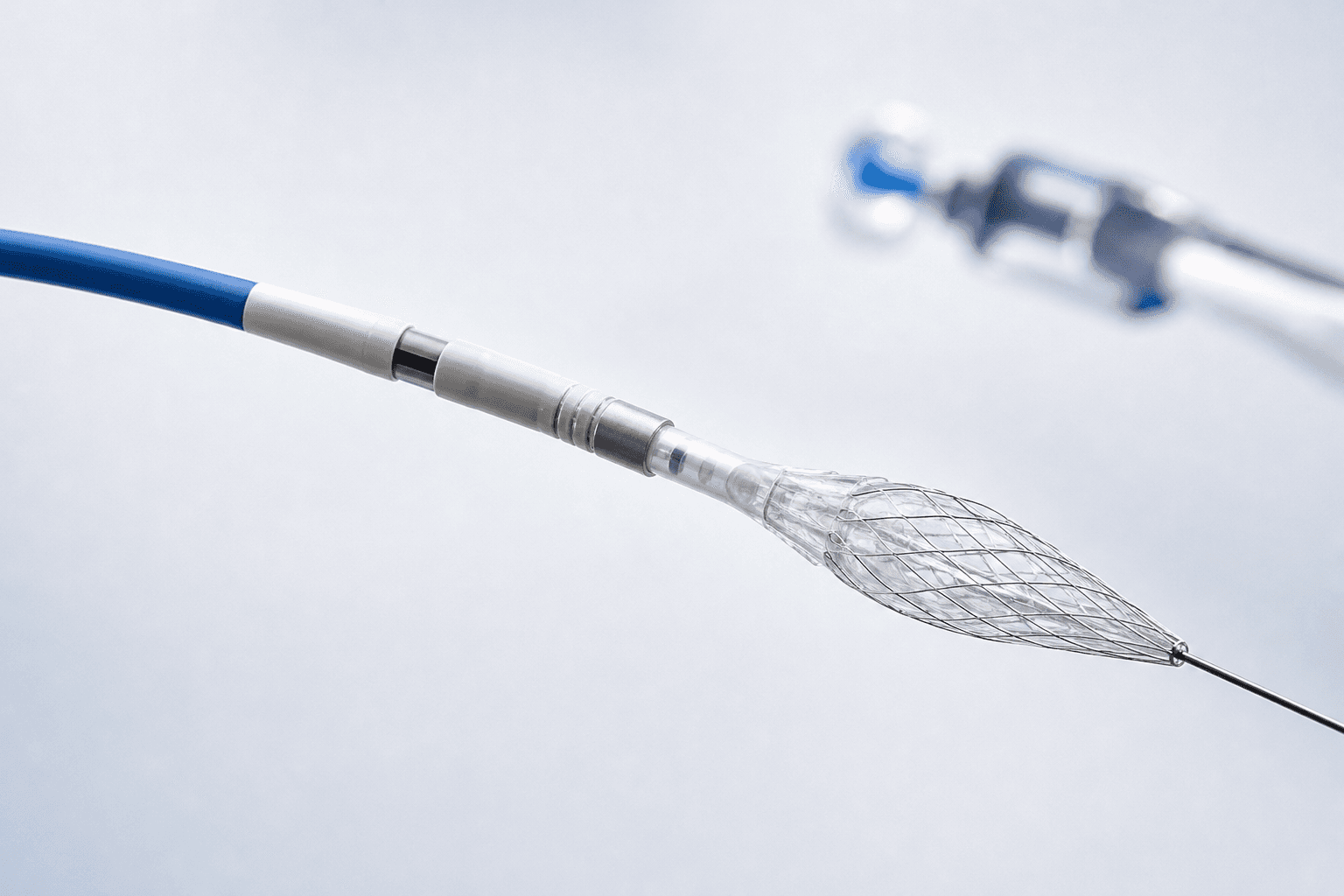
Medtronic to Acquire Contego Medical for $380 Million, Strengthening Carotid Treatment Portfolio
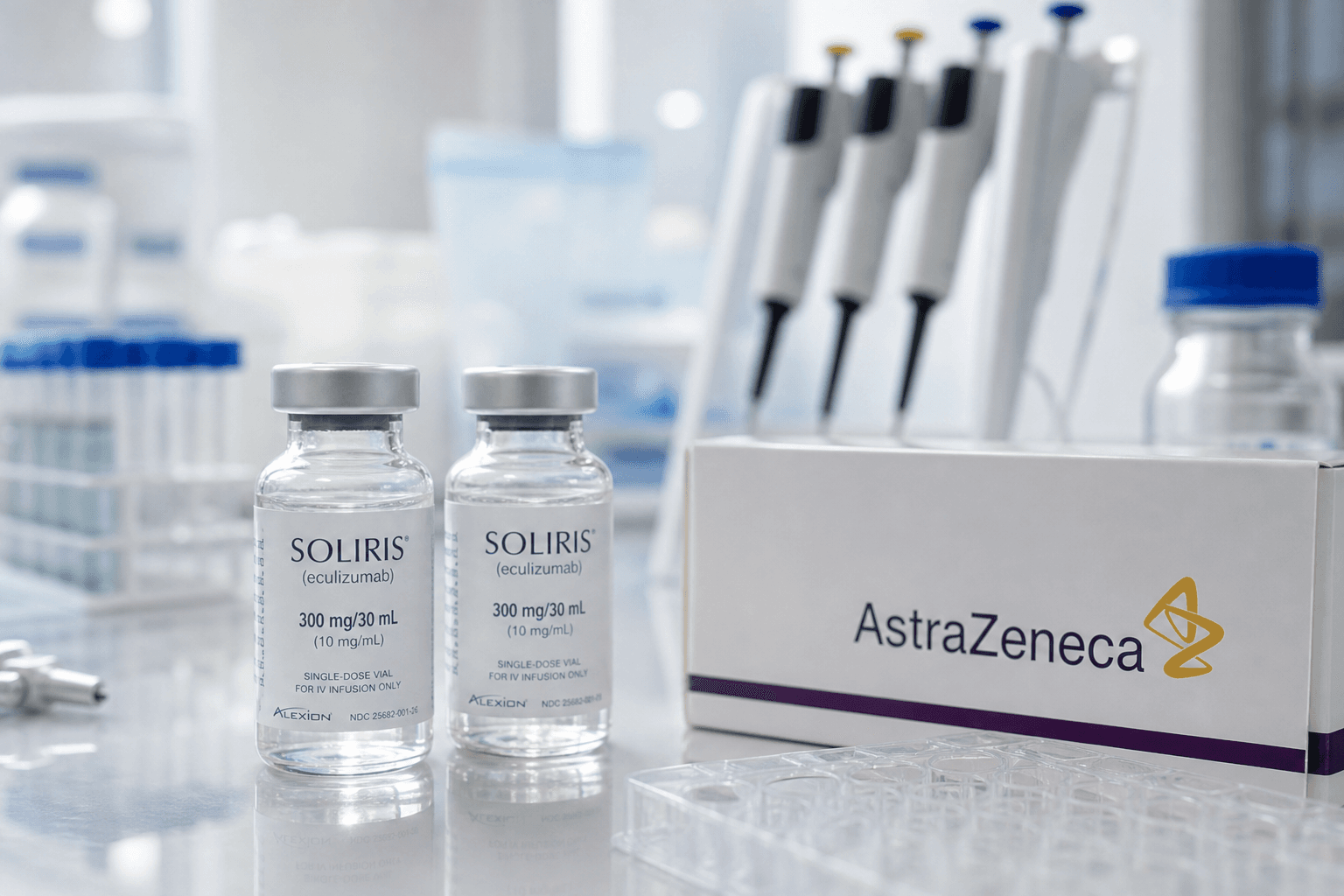
AstraZeneca wins Soliris antitrust lawsuit, with court finding no patent abuse

Alphabet Subsidiary Isomorphic Raises $5 Billion for AI Drug Development
Google Subsidiary Isomorphic Raises Another $5 Billion in Funding in Six Months

Lilly invests $7.9 billion in cancer-targeting technology company in fourth deal in 6 weeks

Samsung Biologics Completes 2.665 Trillion Won Rights Offering; New Shares to List Nov. 30


