
Science
Published in Nature; binding function confirmed using Carterra HT-SPR “SynthIDBio” technology unveiled to trace the origins of AI-designed proteins

Google DeepMind has developed a “watermark” technology that embeds provenance information in proteins designed by artificial intelligence (AI), and experimentally demonstrated that the proteins retain their function after watermarking.
According to Azure Life Sciences on the 13th (local time), Carterra said its LSA-XT platform was used in new research from Google DeepMind. The study was published in the journal Nature.
The paper, “Watermarking AI-generated proteins while preserving function,” introduces SynthIDBio, a technology that embeds provenance signatures in AI-designed protein sequences and structures.
Google DeepMind researchers worked with Adaptyv Bio to verify that watermarked proteins bind normally to their targets.
The researchers measured the binding rates and affinities of hundreds of AI-designed proteins against three therapeutically relevant targets: the receptor-binding domain of the virus that causes COVID-19, vascular endothelial growth factor A (VEGF-A) and PD-L1.
The study also presents SynthIDBio-Structure, which fine-tunes AlphaFold 3 to embed watermarks with minimal loss in predicted biomolecular structures. Carterra said the technology could have applications in biosecurity and scientific integrity.
Carterra’s HT-SPR technology combines proprietary microfluidics with real-time analysis to provide up to 100 times the throughput of conventional label-free platforms. Researchers use it to determine whether designs work in practice and to generate data for model training.
This “Lab-in-the-Loop” approach involves AI generating candidate molecules, high-throughput experiments validating them, and the results being fed back into model training.
A July report from Relink Partners identified Carterra as a key enabling technology in the Lab-in-the-Loop market, which it valued at about $7 billion, and William Blair analysts also named Carterra a winner in life sciences tools for AI drug development.
Julian Englert, CEO of Adaptyv Bio, said, “We rapidly turn AI-designed proteins into real experimental data at scale. Carterra HT-SPR provides actual binding-rate and affinity data, not just pass-or-fail results, helping AI models improve their next designs.”
In February, Carterra launched the industry’s first 48-channel HT-SPR system, Carterra Vega, which supports primary screening of more than 20,000 small-molecule interactions per day. The company recently also announced a hardware and software co-development collaboration with AstraZeneca for Lab-in-the-Loop drug development.
“The fact that AI leaders such as Google DeepMind and Anthropic all need large volumes of high-quality binding data shows where drug development is headed,” said Tim German, Carterra’s chief commercial officer.
Biobook Team
biobookmedia@biobook.co.kr
Novartis’ Cosentyx approved for 11th indication, becoming first treatment for polymyalgia rheumatica

Oral IL-23-targeting psoriasis drug icotrokinra approved in Brazil; one tablet daily

Aribio’s Oral Alzheimer’s Drug Meets Trial Goal in Monotherapy Group, Slowing Progression by 31%
SELLAS Leukemia Vaccine Extends Survival by 9 Months, Meets Phase 3 Endpoint

Korean Drugmakers Race to Develop Obesity Treatments That Preserve Muscle During Weight Loss
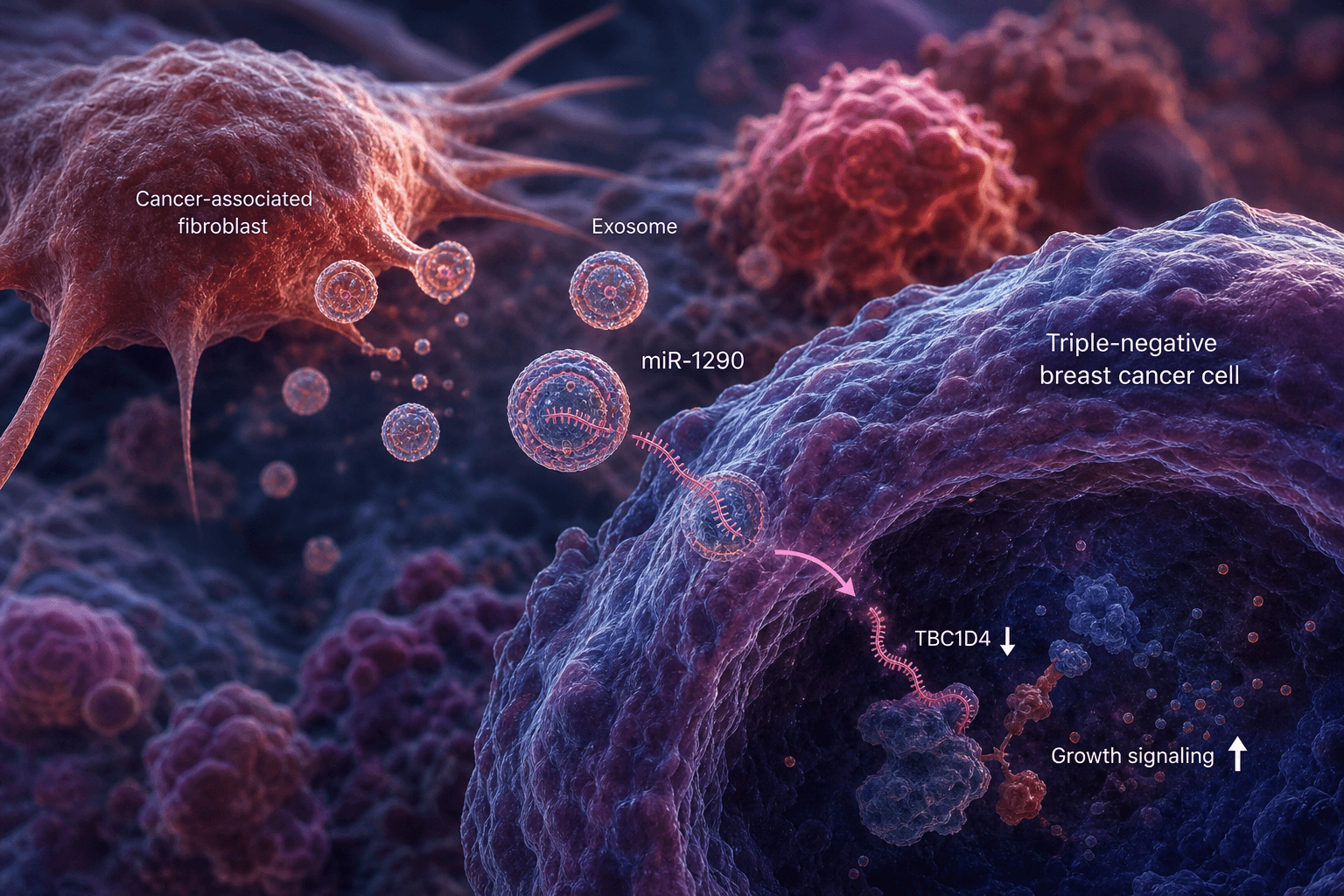
Growth pathway identified in ‘difficult-to-treat’ triple-negative breast cancer, raising potential to repurpose existing drugs


