
Science
BNT113 fails to meet primary progression-free survival endpoint Overall survival follow-up continues as expert confidence falls sharply

BioNTech’s messenger RNA (mRNA) cancer immunotherapy BNT113 failed to meet one of its primary endpoints in a Phase 3 trial.
BioNTech released Phase 3 data on the 2/3 trial, AHEAD-MERIT, in patients with metastatic head and neck cancer on the 13th, according to Fierce Biotech.
The open-label trial is evaluating the efficacy of BNT113 in combination with Keytruda versus Keytruda alone in patients with HPV16-positive head and neck squamous cell carcinoma.
BioNTech said progression-free survival (PFS) with BNT113 combination therapy was not statistically superior to Keytruda alone. As a result, the regimen failed to meet one of the trial’s two primary endpoints.
However, the independent data monitoring committee recommended that the trial continue as planned to assess the other primary endpoint, overall survival (OS). Under the statistical design, the trial will be considered successful if a significant improvement in OS is demonstrated.
Özlem Türeci, BioNTech’s chief medical officer (CMO), said the Phase 3 data “show that BNT113 is engaging its intended mechanism of action.”
Türeci said immune-mediated anticancer effects can accumulate and deepen over time, and noted the possibility that BNT113 could provide sustained benefit to patients with head and neck cancer.
In an investor note, BMO Capital Markets analysts said it may take time for the immune response induced by BNT113 to fully mature, leaving open the possibility of an OS benefit. However, they said the failure to meet the PFS endpoint had “significantly” reduced confidence in BNT113’s potential to extend OS.
There are cases in which cancer immunotherapies have improved OS despite failing to extend PFS. Keytruda’s Phase 3 trial in head and neck cancer also failed to meet its PFS endpoint but later demonstrated an OS benefit, which it maintained in 5-year follow-up.
However, because many trials that miss their PFS endpoints also subsequently fail on OS, the likelihood of BNT113’s success remains uncertain.
BioNTech shares fell 5% to $91.32 in premarket trading that day, from the previous close of $95.84. Moderna shares also fell 3%.
Both companies are developing mRNA cancer immunotherapies, but BNT113 encodes a fixed set of antigens, whereas Moderna’s intismeran autogene contains antigens tailored to mutations in a patient’s tumor.
Biobook Team
biobookmedia@biobook.co.kr
Novartis’ Cosentyx approved for 11th indication, becoming first treatment for polymyalgia rheumatica

Oral IL-23-targeting psoriasis drug icotrokinra approved in Brazil; one tablet daily

Aribio’s Oral Alzheimer’s Drug Meets Trial Goal in Monotherapy Group, Slowing Progression by 31%

SELLAS Leukemia Vaccine Extends Survival by 9 Months, Meets Phase 3 Endpoint

Korean Drugmakers Race to Develop Obesity Treatments That Preserve Muscle During Weight Loss
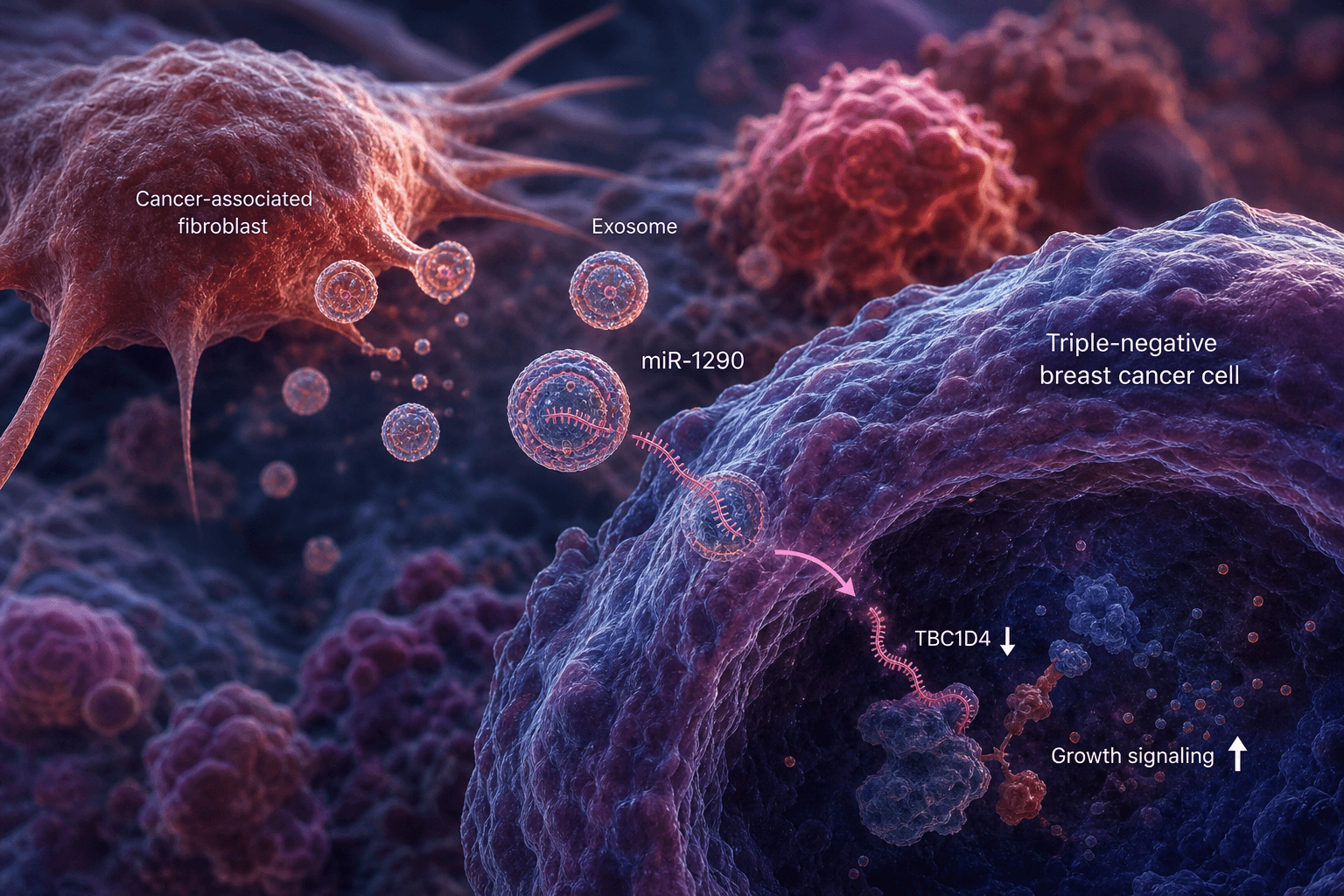
Growth pathway identified in ‘difficult-to-treat’ triple-negative breast cancer, raising potential to repurpose existing drugs


