
Science
Competition intensifies ahead of patent expiration for the world’s top-selling immuno-oncology drug Skipping a phase 3 trial sharply shortens development time and cuts costs

The first biosimilar of Keytruda, the world’s top-selling immuno-oncology drug, has entered review by the U.S. Food and Drug Administration (FDA).
On the 13th (local time), German biosimilar developer Formycon and India’s Zydus Lifesciences jointly announced that the FDA had accepted for review a biologics license application (BLA) for FYB206, a Keytruda biosimilar candidate.
The companies said this was the first publicly announced acceptance by the FDA for review of a marketing application for a Keytruda biosimilar. The BLA was submitted in the third quarter of 2026.
Formycon and Zydus signed an exclusive licensing and supply agreement for FYB206 in the U.S. and Canada last December. Formycon is responsible for completing development, preparing regulatory submissions and supplying the product.
Under the Biosimilar User Fee Act (BsUFA), the FDA aims to complete its review within 12 months of submission. This period includes up to 60 days for filing review and 10 months for the substantive review. The FYB206 application was also submitted to Health Canada.
Keytruda is an immune checkpoint inhibitor that binds to and blocks the PD-1 receptor and is used to treat a range of cancers. Global sales last year, including those of Keytruda Qlex, a subcutaneous formulation, totaled $31.7 billion; sales in the first half of this year reached $16.4 billion, maintaining its position as the world’s top-selling biologic.
Skipping a comparative phase 3 efficacy trial helped accelerate FYB206’s development. Formycon agreed with the FDA last February that a comparative phase 3 trial would not be required for FYB206. Comparative phase 3 trials have long been standard practice for monoclonal antibody biosimilars and typically took 1–3 years and enrolled hundreds of patients.
In draft guidance last October, the FDA proposed that comparative efficacy studies would generally no longer be required for therapeutic proteins. FYB206 was developed based on data demonstrating analytical and functional similarity and the pivotal pharmacokinetic study, called Dahlia. The Dahlia study met its primary endpoint in February this year, demonstrating pharmacokinetic equivalence, and clinical development was completed in July.
Skipping the phase 3 trial is considered a key factor in FYB206’s rapid entry into FDA review. It is expected to save tens of millions of euros in investment costs.
Meanwhile, last month, Pharmint, a Singapore-based pharmaceutical supply chain platform company, cited data from Australian law firm Pearce IP and reported that Formycon, Samsung Bioepis and Celltrion were the three front-runners in filing the first application for a Keytruda biosimilar.
Amgen, Sandoz, mAbxience, Qilu and Henlius have major clinical study completion dates scheduled between mid-2026 and 2028, so their applications are expected to follow those of the front-runners. At least 13 companies are currently developing biosimilars.
Many regulatory agencies, including those in the U.S. and Europe, are increasingly no longer requiring comparative phase 3 efficacy trials for most antibody biosimilars. Formycon, Sandoz, Biothera and Celltrion have all reduced or discontinued efficacy trials.
Biosimilar launch timing depends on patents as well as regulatory approval. Merck (MSD) has specified that Keytruda’s core patents expire in 2028 in the U.S. and China, in 2031 in major European Union (EU) markets, and in 2032–2033 in Japan. In South Korea, the substance patent expires in June 2028.
Merck’s main U.S. compound patent expires in December 2028, while two related patents remain in effect through 2029. On its earnings call in February this year, Merck’s CEO described these as a manufacturing method patent valid through May 2029 and a method-of-use patent valid through November 2029.
Merck expects competition from biosimilars in 2028–2029 to have a significant impact on Keytruda. A settlement could set a specific launch date within that period, or a court ruling could move the timing earlier or later.
Biosimilar competition for Keytruda Qlex is not following the same timeline as for Keytruda. Earlier biosimilar candidates use intravenous (IV) Keytruda as their reference product, while Qlex has separate patents. Merck has specified that Qlex’s U.S. patents expire in 2043 and expects 30–40% of future demand for Keytruda in solid tumors to shift to Qlex.
BIOBOOK TEAM
biobookmedia@biobook.co.kr
Novartis’ Cosentyx approved for 11th indication, becoming first treatment for polymyalgia rheumatica
Oral IL-23-targeting psoriasis drug icotrokinra approved in Brazil; one tablet daily

Aribio’s Oral Alzheimer’s Drug Meets Trial Goal in Monotherapy Group, Slowing Progression by 31%

SELLAS Leukemia Vaccine Extends Survival by 9 Months, Meets Phase 3 Endpoint

Korean Drugmakers Race to Develop Obesity Treatments That Preserve Muscle During Weight Loss
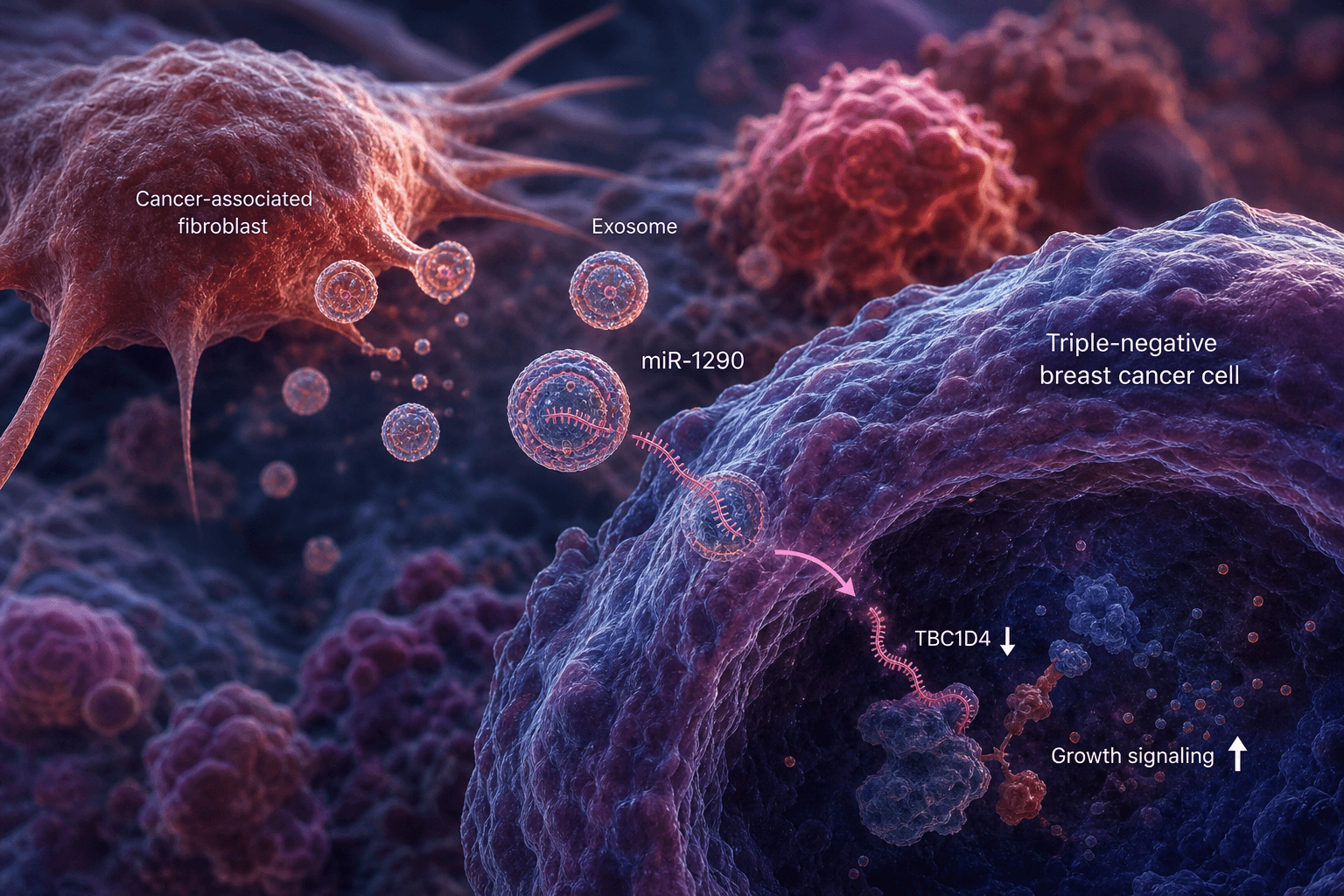
Growth pathway identified in ‘difficult-to-treat’ triple-negative breast cancer, raising potential to repurpose existing drugs


