
Science
Chinese researchers report long-term follow-up results for in vivo BCMA CAR-T therapy Median progression-free survival was 4 months, highlighting the need to optimize the platform’s durability

One of four patients with relapsed or refractory multiple myeloma who received in vivo CAR-T therapy maintained a complete remission at 15 months.
Researchers led by professors Mei Heng (梅恒) and Hu Yu (胡豫) of Huazhong University of Science and Technology in China reported long-term follow-up results for the in vivo B-cell maturation antigen (BCMA) CAR-T therapy ESO-T01 on the 6th (local time) in the international journal Nature Medicine.
The researchers had previously reported initial results from following four patients who received ESO-T01 without leukapheresis or lymphodepletion for up to 3 months. This study extended follow-up to a maximum of 15 months to assess safety and the duration of remission.
Follow-up showed no immunogenicity or insertion-related toxicity, and no additional serious adverse events related to ESO-T01 occurred after the initial report.
One of the four patients maintained a stringent complete remission for 15 months. Median progression-free survival was 4.0 months (range, 3.0~15.0 months).
The other three patients relapsed or had disease progression, all with extramedullary involvement. They eventually died during the follow-up period. After progression, multiple salvage therapies extended overall survival to 5.5~10.9 months after treatment.
The researchers concluded, “The limited durability observed indicates that further optimization of the in vivo CAR-T platform is needed.”
CAR-T therapy involves modifying a patient’s T cells outside the body and reinfusing them. Production constraints, logistical burdens, long wait times and high costs have been cited as limitations. U.S. real-world data show that the cumulative 12-month infusion rate among patients eligible for commercial BCMA CAR-T was less than 40%, and the mortality rate while waiting was 26%.
In vivo CAR-T has drawn attention as an alternative that uses viral or nonviral vectors to deliver CARs directly to T cells in the body, converting personalized products into off-the-shelf therapies. However, clinical data remain limited.
The clinical trial registration number is NCT06691685.
BIOBOOK TEAM
biobookmedia@biobook.co.kr
Novartis’ Cosentyx approved for 11th indication, becoming first treatment for polymyalgia rheumatica

Oral IL-23-targeting psoriasis drug icotrokinra approved in Brazil; one tablet daily

Aribio’s Oral Alzheimer’s Drug Meets Trial Goal in Monotherapy Group, Slowing Progression by 31%

SELLAS Leukemia Vaccine Extends Survival by 9 Months, Meets Phase 3 Endpoint

Korean Drugmakers Race to Develop Obesity Treatments That Preserve Muscle During Weight Loss
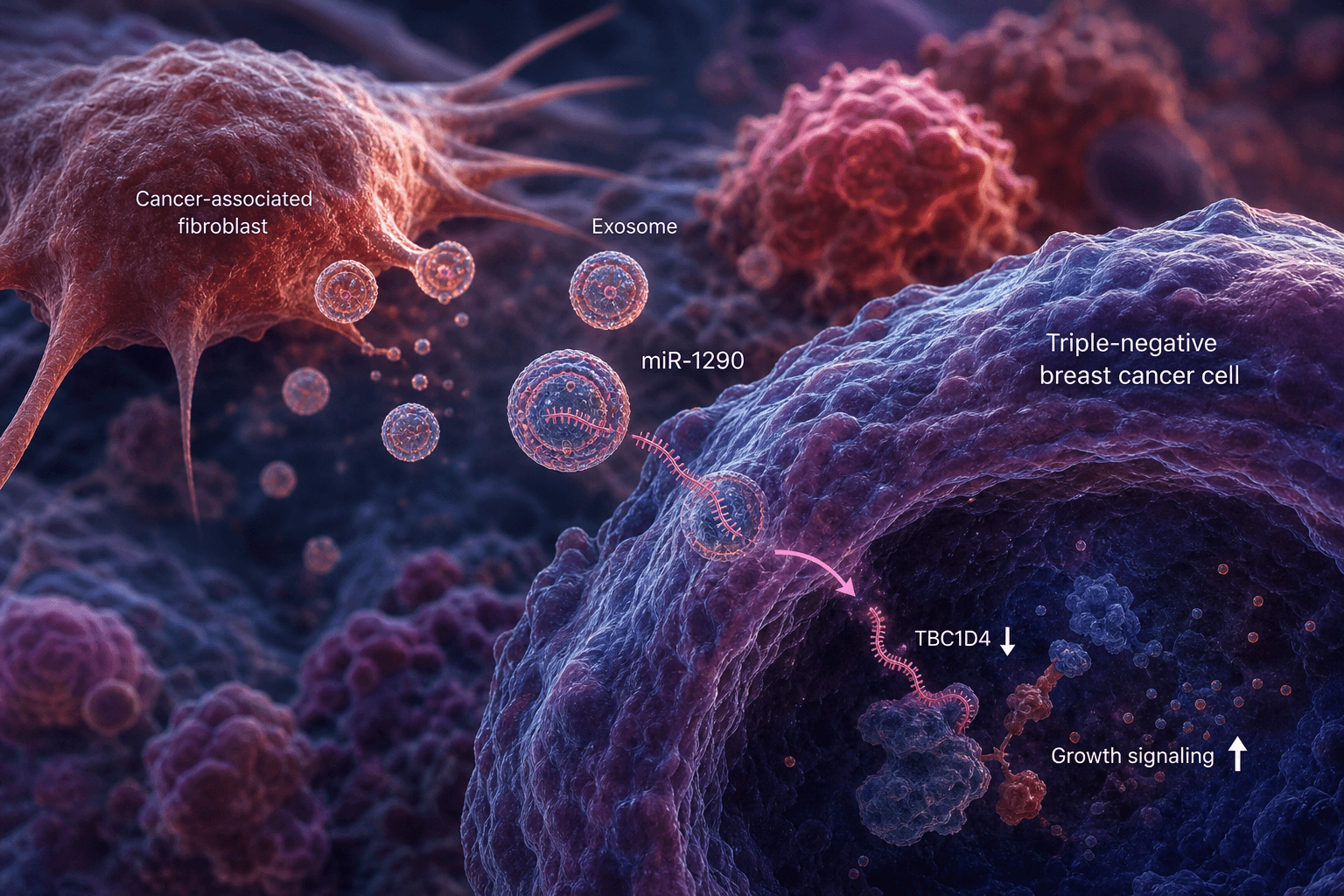
Growth pathway identified in ‘difficult-to-treat’ triple-negative breast cancer, raising potential to repurpose existing drugs


