Science
Commercial sponsors get priority access despite public data and government funding Meta, Google and a third company contribute just $300 million in cash

A virtual cell model project being pursued by the nonprofit research foundation Biohub with a budget of 2.4 trillion won has sparked controversy by granting its commercial sponsors, Big Tech companies, exclusive access to key data for one year.
Biohub announced the $1.8 billion (about 2.4 trillion won) Virtual Biology Initiative on the 7th (local time). The project, led by the foundation established by Meta CEO Mark Zuckerberg and his wife, Priscilla Chan, involves Meta, Google DeepMind, Alphabet drug discovery company Isomorphic Labs, the U.S. Department of Energy and the National Institutes of Health (NIH).
Of the announced $1.8 billion, the three Big Tech companies will contribute just $300 million in cash combined. By contrast, the NIH will standardize and provide genomic and biomedical data repositories built with more than $500 million in federal funding, while the Department of Energy has pledged more than $500 million over five years, including access to supercomputers and national laboratory resources. Biohub’s $500 million contribution brings the total to the announced amount.
The issue is how the consortium will distribute the high-value biological response data it generates. Biohub Chief Science Officer Alex Reeves said the high-quality cell response datasets to be accumulated would ultimately be made available to the broader scientific community, but acknowledged that participating companies providing commercial funding would receive exclusive access for one year before public release. This contrasts with purely public research data generated with government support, which is made available immediately without restrictions on access.
Critics say that in drug development, one year is enough time to gain an edge by securing a key target protein for a particular disease and filing global patents on lead compounds. The arrangement has drawn criticism as one in which the giant information technology (IT) companies contributing $300 million secure the most favorable rights first in a research ecosystem built on public infrastructure.
Questions have also been raised about the technical feasibility of virtual cell models. Artificial intelligence (AI) has made progress at the level of individual molecules, including predicting three-dimensional protein structures, but reproducing the complex-system responses of living cells is a different challenge. Simulating the responses of proteins, genes and metabolic pathways inside cells requires billions to trillions of high-resolution response data points, but the scientific community currently has only hundreds of millions of usable data points.
Biohub said it would invest hundreds of millions of dollars in cryogenic electron tomography (cryo-ET) and super-resolution fluorescence microscopy to close this gap within five years. However, noise and experimental reproducibility remain challenges to fully training AI on the dynamics of living tissue.
Concerns have also been raised that the initiative could deepen the divide between the haves and have-nots in the pharmaceutical and biotech ecosystem, despite its philanthropic venture status. Biohub plans to offer global pharmaceutical companies similar terms after its Big Tech partners. Critics say independent biotech companies and university laboratories that cannot afford to invest hundreds of billions of won in upfront capital will inevitably be pushed to the back of the line for data access.
That has prompted concerns that public research assets could become tools for improving drug discovery engines at a select group of technology companies with vast capital and exclusive rights. With technical failure still possible before virtual cell technology proves its clinical utility, biotech policy authorities and academia are being urged to scrutinize whether it is justifiable for private sponsors to gain an early advantage and secure intellectual property rights over research findings that rely heavily on public health assets.
BIOBOOK TEAM
biobookmedia@biobook.co.kr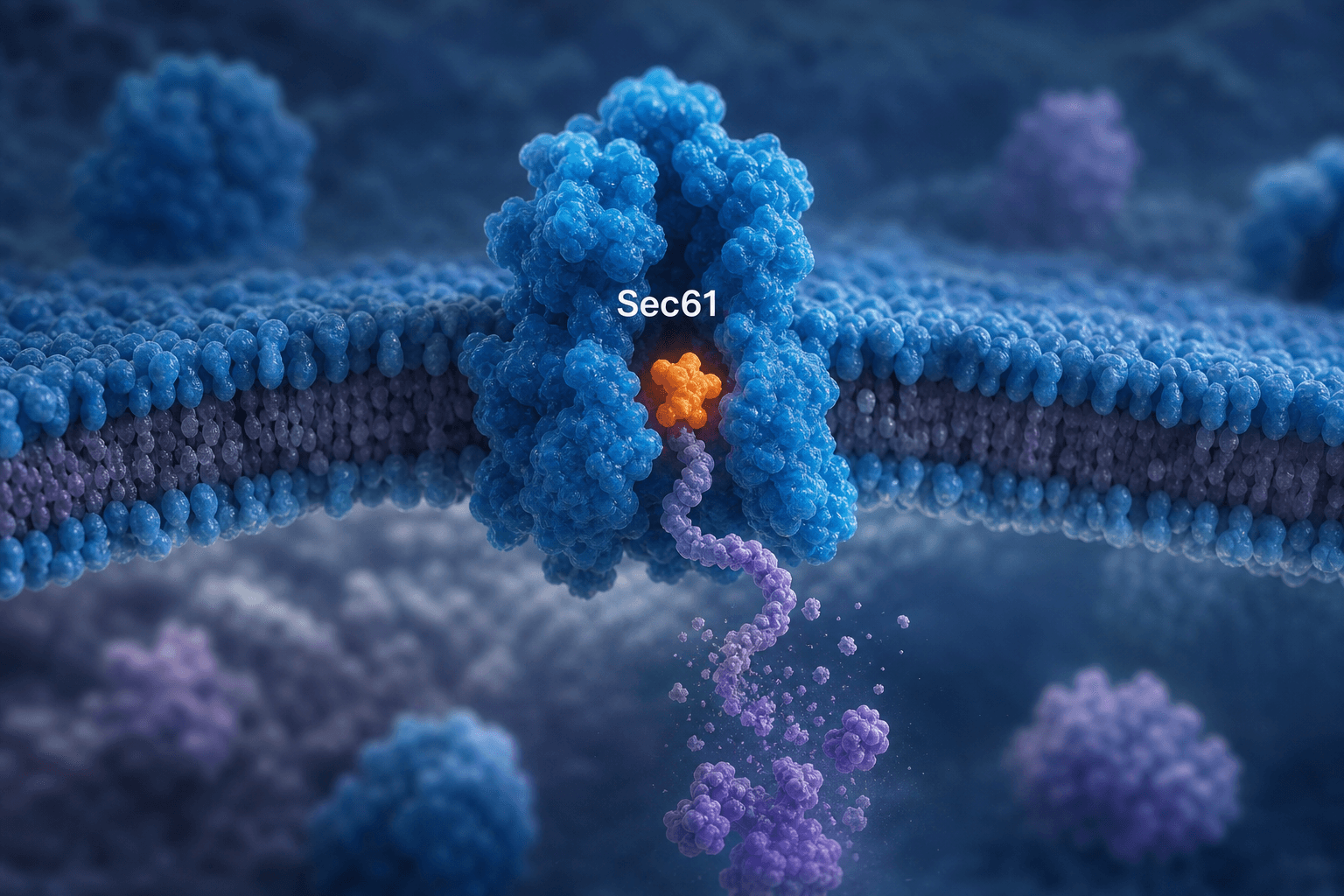
Blocking Disease Proteins With ‘Molecular Gates’ … Gate Bioscience Prepares to Enter the Clinic
Rezolute Meets Phase 3 Goal in Tumor Hyperinsulinism, Shares Rise Ahead of FDA Meeting

Regeneron’s POTS drug succeeds in Phase 2; Phase 3 to begin in first half of next year
Egene Receives Approval to Amend Phase 2/3 Trial of Quadrivalent Meningococcal Vaccine
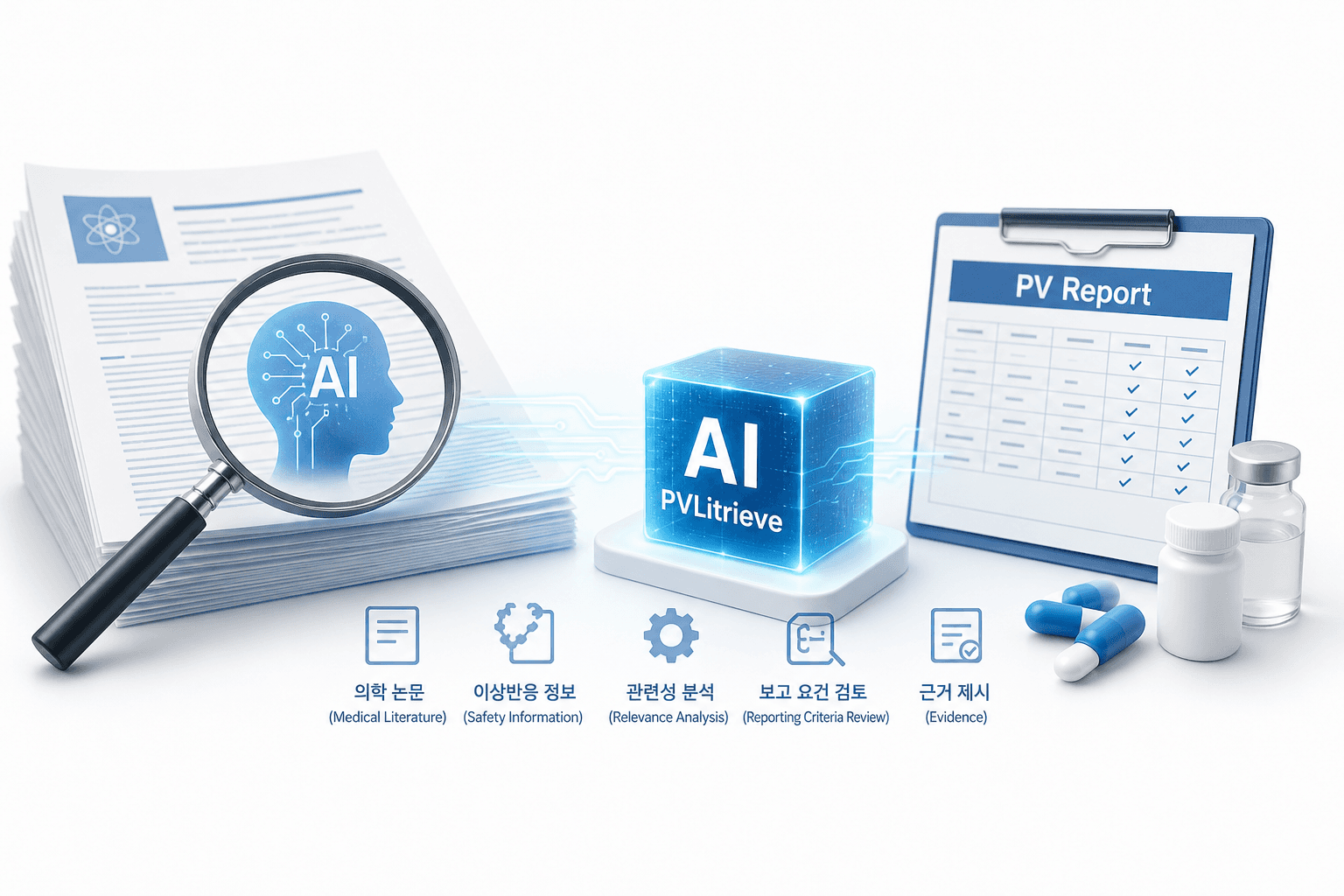
GC Biopharma Develops Korea’s First Generative AI Drug Safety Monitoring Software, Focused on Preventing Missed Cases

Daewoong Pharmaceutical Wins Phase 1 Approval for Drug to Regenerate Intestinal Mucosa: “Beyond Immunosuppression”