
Science
Chinese researchers uncover how glucose deprivation triggers immune cell aging Targeting ZAK may restore the anticancer efficacy of CAR-Th9 cells

A study has found that glucose deprivation in the tumor microenvironment causes premature aging in Th9 cells, a type of immune cell. The findings also point to the possibility that targeting a specific enzyme could rejuvenate these cells and improve their efficacy in treating solid tumors.
BioOn reported on the 9th (local time) that a joint research team from the Shanghai Institute of Nutrition and Health at the Chinese Academy of Sciences, Nanjing Medical University and Hebei University published a paper on the findings in the international journal Immunity.
The researchers observed that as tumors grow, glucose levels in the microenvironment gradually decline, accompanied by a decline in transplanted Th9 cells and their function. This was due to aging of the Th9 cells.
Restoring glucose levels suppressed Th9 cell aging and improved their persistence. The researchers explained that glucose deprivation activates the enzyme AMPK, which blocks interleukin-9 (IL-9) secretion through the ZAK-NIK signaling pathway, ultimately causing cellular aging.
Th9 cells are a type of CD4-positive T cell that produces interleukin-9. They have drawn attention for adoptive cell therapy (ACT) against solid tumors because they are less prone to exhaustion and survive longer than other T cells.
The researchers said that targeting ZAK restores Th9 cell activity and enhances the ability of CAR-Th9 cells to attack solid tumors. The study is significant for identifying a mechanism by which nutrient deprivation accelerates Th9 cell aging and reduces persistence, and for pointing to the therapeutic potential of targeting ZAK.
BIOBOOK TEAM
biobookmedia@biobook.co.kr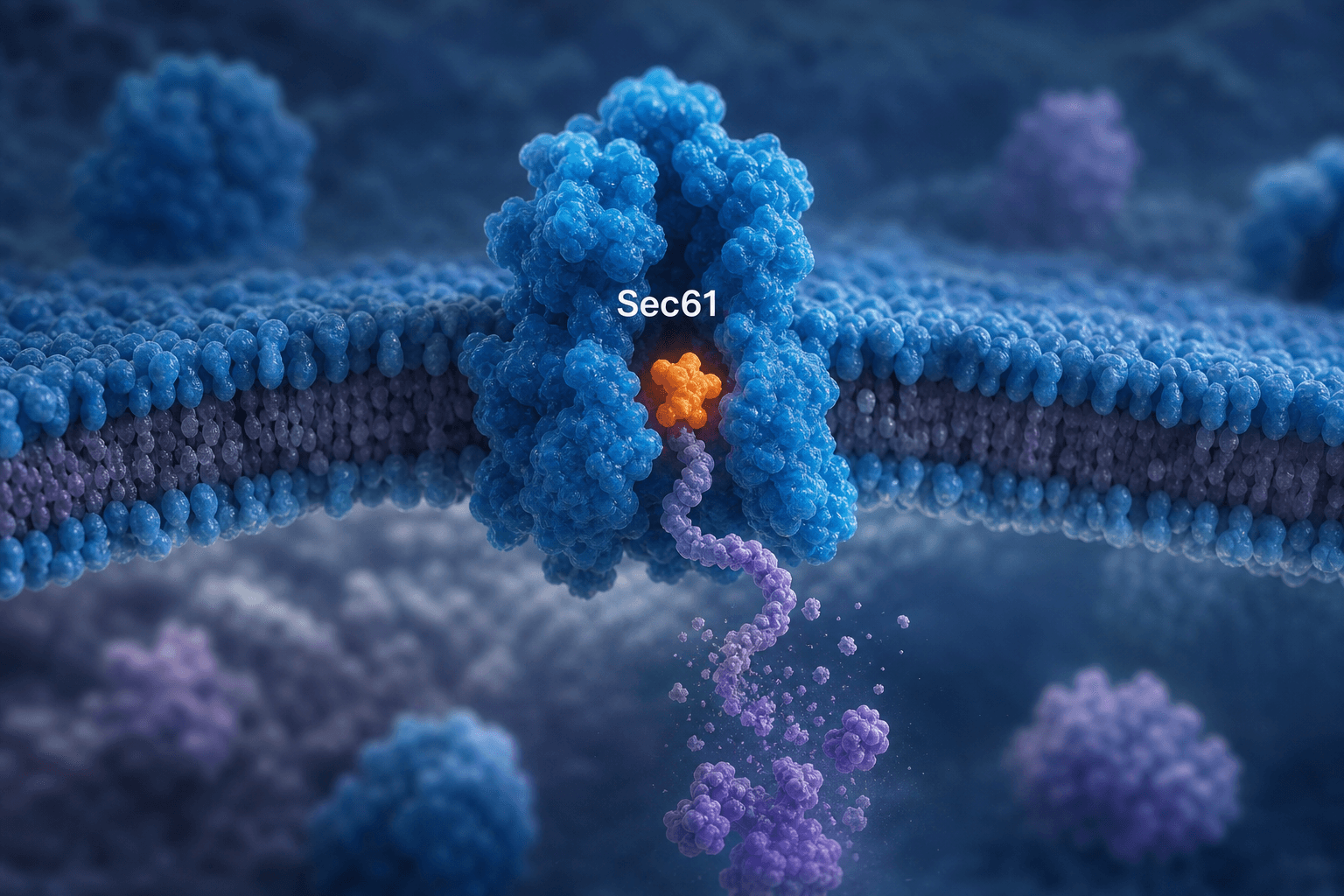
Blocking Disease Proteins With ‘Molecular Gates’ … Gate Bioscience Prepares to Enter the Clinic
Rezolute Meets Phase 3 Goal in Tumor Hyperinsulinism, Shares Rise Ahead of FDA Meeting
Regeneron’s POTS drug succeeds in Phase 2; Phase 3 to begin in first half of next year
Egene Receives Approval to Amend Phase 2/3 Trial of Quadrivalent Meningococcal Vaccine

GC Biopharma Develops Korea’s First Generative AI Drug Safety Monitoring Software, Focused on Preventing Missed Cases

Daewoong Pharmaceutical Wins Phase 1 Approval for Drug to Regenerate Intestinal Mucosa: “Beyond Immunosuppression”


